National Dish Syria: Fattet Bayd (Recipe)
In this article
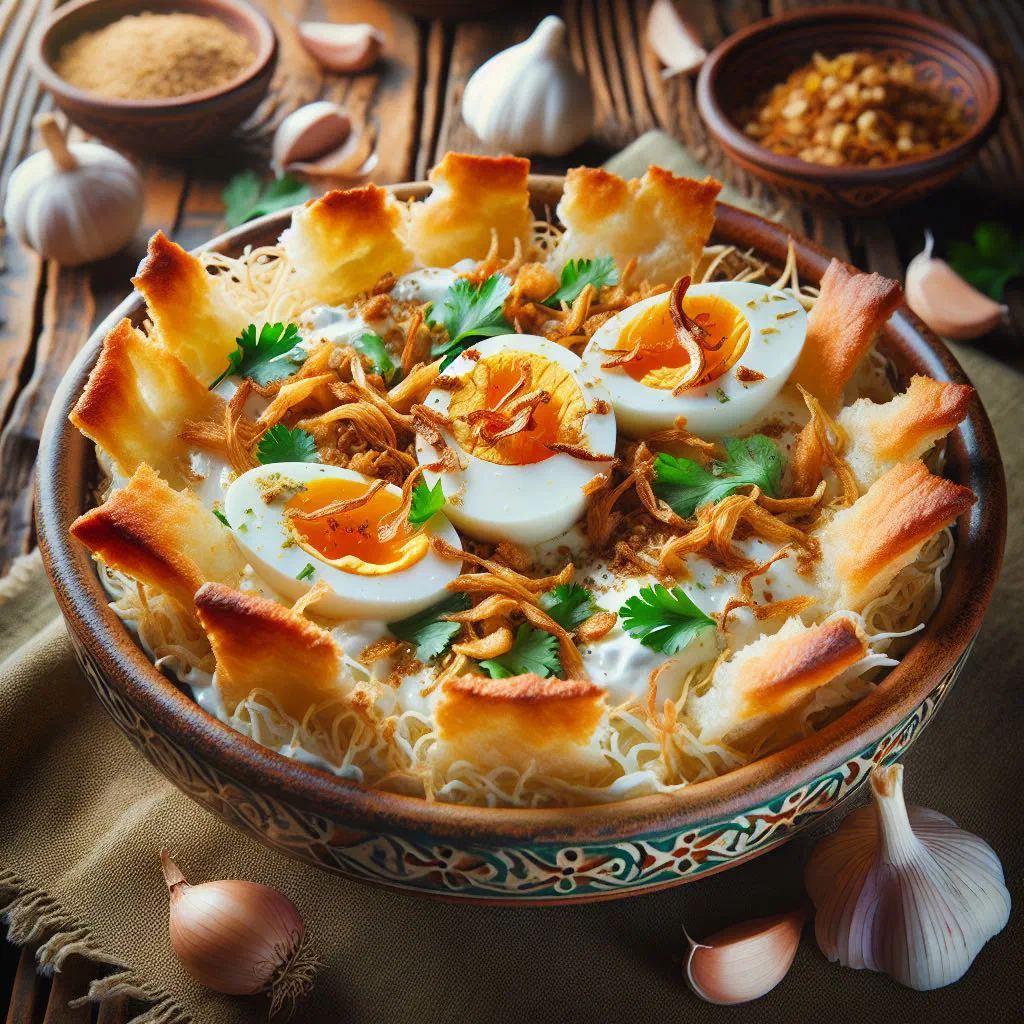
Meet Fattet Bayd, a warming Syrian classic that layers tender lamb, crisp pieces of toasted pita and a silky garlic yoghurt sauce into one very good bowl. Fragrant with cumin and paprika, it is the kind of dish that turns a simple gathering into a feast, and this recipe walks you through every step, from shopping to serving, with gluten-free, vegan and vegetarian ideas along the way.
About Fattet Bayd
Fattet Bayd is a traditional Syrian dish that charms locals and visitors alike. It brings together tender pieces of lamb, crispy bread and a creamy yoghurt sauce, rounded off with the warm aromas of garlic and spices. Like its cousin Fatteh, it is more than just delicious. It reflects the rich culinary heritage of Syria. Fattet Bayd is often served at festive occasions and family gatherings, which has made it a true symbol of hospitality.
Ingredients (serves 1–2)
- 300 g lamb, diced
- 2–3 pieces of pita bread
- 250 g yoghurt
- 2 garlic cloves, crushed
- 1 tsp cumin
- 1 tsp paprika
- Salt and pepper to taste
- 1 tbsp olive oil
- Fresh mint and parsley, to garnish
Shopping for the ingredients
For Fattet Bayd it is important to choose fresh, good-quality lamb. You can find it either at a local butcher or in a supermarket. Pay particular attention to the spices as well: high-quality cumin and paprika give the dish its distinctive flavour and character.
Preparing the dish
Before you start cooking Fattet Bayd, it is a good idea to prepare all the ingredients. Cut the lamb into even cubes and set out the spices. The bread can be toasted in advance to save time while cooking. Gathering everything in one place makes the preparation easier and keeps the whole process running smoothly.
Step-by-step instructions
- Brown the lamb in a pan with olive oil until golden on all sides.
- Add the crushed garlic cloves and the spices, and stir everything together well.
- Pour in a little water, cover, and let the meat simmer gently until tender.
- Tear the pita bread into small pieces and toast them lightly in a separate pan.
- Whisk the yoghurt in a bowl with a splash of water until smooth and creamy.
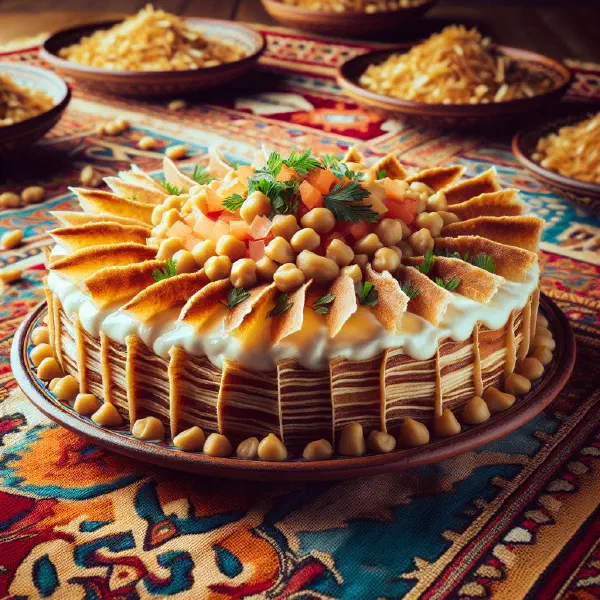
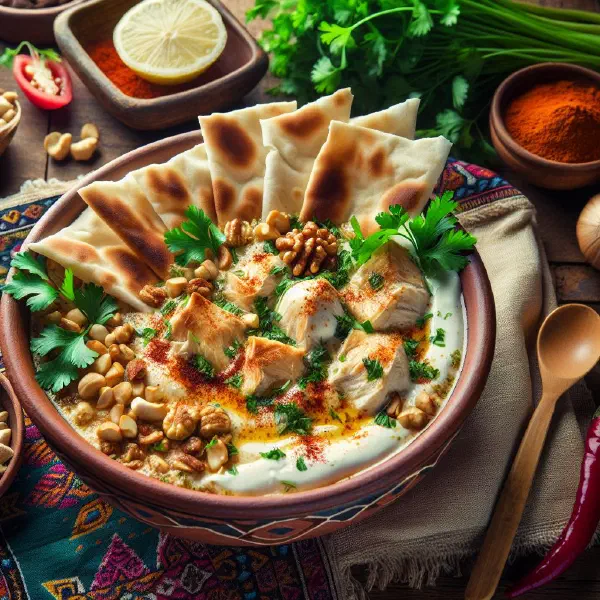
- In a large serving bowl, layer the bread pieces, spoon the lamb on top and cover with the yoghurt.
- Garnish with fresh herbs and serve.
Gluten-free / lactose-free version
To make Fattet Bayd gluten-free, use gluten-free pita bread or a similar alternative. The yoghurt can also be swapped for a plant-based option such as soya or almond yoghurt to create a lactose-free version. Make sure all the other ingredients are gluten-free to avoid cross-contamination. These adjustments open the dish up to a much wider audience.
Tips for vegans and vegetarians
For a vegan version of Fattet Bayd, replace the lamb with roasted vegetables or lentils. Seasonal vegetables such as aubergine or courgette work beautifully thanks to their texture and flavour. The yoghurt can be replaced with a creamy cashew or coconut cream to achieve the same luscious effect. These alternatives deliver a delicious meat-free take on the classic without sacrificing any flavour.
More tips and tricks
A few small tricks make Fattet Bayd easier to prepare and even better to eat. Use fresh herbs to intensify the aroma and lift the dish. Toasting the bread in a pan helps you achieve an even crispness. And remember not to overheat the yoghurt, gentle handling keeps it smooth and creamy rather than curdled. With these tips, a perfect result is well within reach.
Adapting the recipe to your taste
Once Fattet Bayd is on the menu, the recipe is easy to adapt to personal preferences. Add extra spices, for example, for more heat or depth. Experiment with different types of bread, or add extras such as toasted nuts or steamed vegetables. These tweaks let you shape the dish to your own liking and offer your guests a range of flavour experiences.
Ingredient substitutions
If you do not have certain ingredients for Fattet Bayd to hand, there are always alternatives. Instead of lamb you could use chicken or even beef, depending on your taste, much as in Fattet Djaj, the chicken version of this layered favourite. For the yoghurt sauce, any creamy yoghurt substitute will do the job and deliver the right consistency and flavour. This flexibility in the kitchen opens the door to many different variations of the dish.
Drink pairing ideas
A range of drinks pairs harmoniously with Fattet Bayd and complements its flavours. A refreshing mint tea is the classic choice and offers a wonderful pick-me-up after the hearty meal. Alternatively, serve a lightly sparkling grape juice or a glass of cold water with lemon to support the aromas. A variety of alcohol-free drinks makes a popular way to round off the dish and bring the flavours together.
Serving and presentation ideas
To present Fattet Bayd attractively, let the different layers of the dish show. Serve it in a large, deep bowl so the colours of the ingredients shine through. Garnish with fresh herbs, which not only look good but add extra flavour too. A drizzle of olive oil or a scattering of toasted nuts on top elevates the dish both visually and on the palate. Just as it does on a bright bowl of Fattoush.
A bit of history
The roots of Fattet Bayd run deep in Syrian food culture, where family and community play a central role. The dish is often prepared for festive occasions and special celebrations. It stands for a delicious meal and for the convivial coming together of all kinds of people. It is a fine example of how Syrian cuisine builds bridges between cultures and spreads pure joy.
More recipe ideas
- Tabbouleh — a refreshing salad of parsley and bulgur
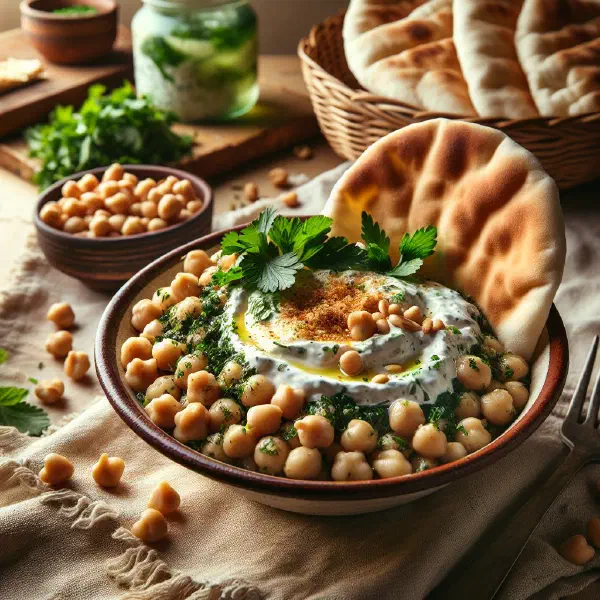
- Fattet Hummus — the chickpea take on the fatteh family
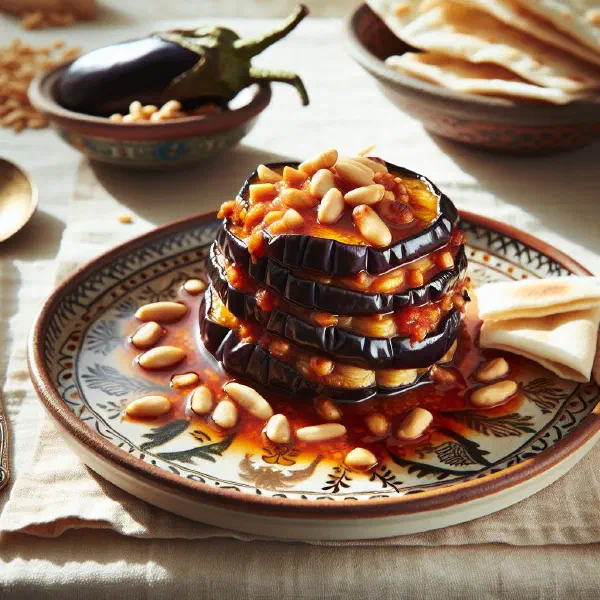
- Fattet Makdous — layered with tender stuffed aubergines
- Warak Enab — delicate stuffed vine leaves for any mezze spread
Summary: Fattet Bayd
In short, Fattet Bayd is a hearty, welcoming Syrian dish that unites tender lamb, crispy bread and an aromatic yoghurt sauce. The recipe adapts easily to different preferences and offers plenty of alternatives to suit everyone at the table. The combination of flavours and textures creates a truly memorable eating experience. Try it for yourself and taste Syrian hospitality on your own plate.