National Dish Syria: Harisseh (Recipe)
In this article
Step into the heart of Syrian home cooking with Harisseh, a comforting classic of fine wheat semolina, tender meat and warming spices. Traditionally simmered for celebrations and family gatherings, this creamy, deeply savoury dish is proof that a handful of simple ingredients can deliver remarkable depth of flavour. This article walks you through the full recipe, along with adaptations for different diets and a look at the dish’s long history.
About Harisseh
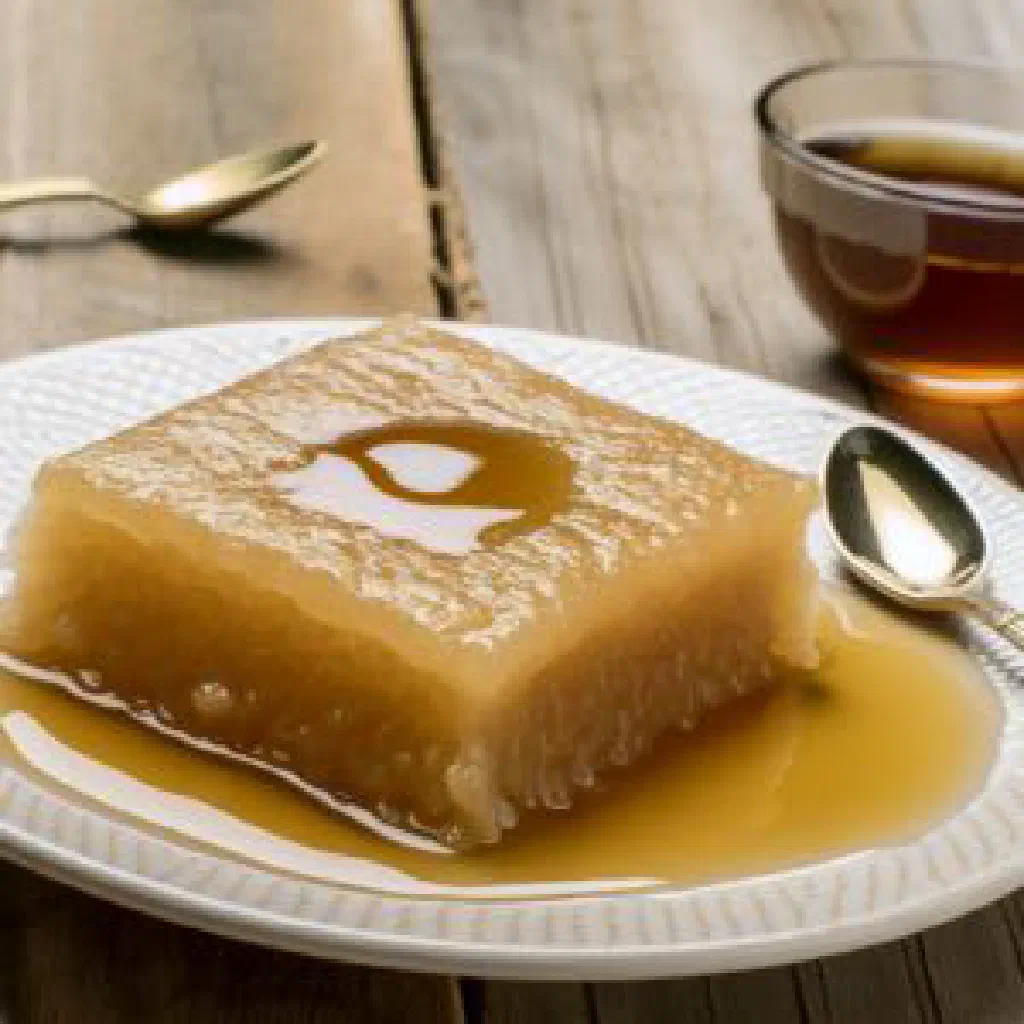
Harisseh is a traditional Syrian dish that is deeply rooted in the country’s culture and history. It is a delicious combination of fine wheat semolina, tender meat and a variety of aromatic spices. The dish is often served at special occasions and festive events, which makes it an ideal choice for convivial gatherings. Harisseh will win you over with its rich flavours and hearty texture.
Ingredients (serves 1–2)
- 250 g wheat semolina
- 200 g lamb or beef
- 1 onion
- 3 tablespoons butter or ghee
- 1 teaspoon cinnamon
- 1 teaspoon ground cumin
- Salt and pepper to taste
- 500 ml water or stock
- Optional: chopped nuts, to garnish
Shopping for the ingredients
To prepare an authentic harisseh, source your ingredients from a well-stocked grocery shop or a weekly market. Take care to choose high-quality wheat semolina and fresh meat, as the quality of the ingredients is crucial to the flavour of the dish. Spices such as cinnamon and cumin can usually be found in the international foods aisle or in specialist spice shops. If you want to deepen the flavours further, consider adding some fresh herbs such as parsley or mint.
Preparing the dish
Proper preparation is key to making harisseh perfectly. Start by cutting the meat into small pieces so it cooks evenly. The onion should be finely chopped to bring out its flavour to the full. It also helps to measure out the spices in advance to speed up the cooking process and keep everything running smoothly. The better prepared you are, the more you will enjoy the process.
Step-by-step instructions
- Heat the butter or ghee in a large pot, add the chopped onion and fry until golden brown.
- Add the meat and brown it well on all sides.
- Pour the water or stock into the pot and bring the mixture to the boil.
- Add the spices (cinnamon, cumin, salt and pepper) and reduce the heat. Let the meat simmer for about 30 minutes.
- Add the semolina gradually, stirring constantly. Continue cooking until the semolina is soft and the dish has reached a creamy consistency.
- Serve harisseh warm, garnished with chopped nuts if you like.
Gluten-free / lactose-free version
For those who need to avoid gluten or lactose, there are alternatives for making harisseh. Instead of wheat semolina, maize semolina or a gluten-free grain blend can be used. In place of butter or ghee, reach for plant-based oils to keep the dish lactose-free. Be sure to check the stock carefully too, to make certain it is free from gluten.
Tips for vegans and vegetarians
Vegans and vegetarians need to make a few adjustments when preparing harisseh. Instead of meat, plant-based mince or fried vegetables can be used to keep the dish full of flavour. The stock should also be made on a plant-based foundation so the dish fits the diet. Adding extras such as tofu or chickpeas, the same pulses that star in a creamy bowl of Ful Medames, brings variety and a welcome boost of protein.
More tips and tricks
To get the best result when cooking harisseh, a few tips and tricks are worth keeping in mind. Let the dish rest for a few minutes after cooking so the flavours can settle. Experiment with different spices to find your personal favourite. An extra ingredient such as smoked paprika can lend the dish an interesting note. And do not forget to taste and adjust the seasoning before serving, sometimes a little more salt or pepper is all it needs.
Adapting the recipe to your taste
Every palate is different, which is why you can tailor harisseh to your personal taste. If you prefer it hotter, add some chilli powder or fresh chillies. For a milder version, experiment with the spices and reduce the quantities. Some cooks love stirring in raisins for a sweet note, which makes a wonderful change.
Ingredient substitutions
If you do not have every ingredient for harisseh to hand, there are various alternatives you can use. Instead of lamb or beef, chicken or fish works too. For a vegetarian version, leave out the meat entirely or replace it with pulses. With the spices you can be creative as well, nutmeg or paprika bring lovely aromas to the dish. Try varying the ingredients to discover new flavours.
Drink pairing ideas
To round off the experience of eating harisseh, a range of drinks can be served alongside. A fresh mint tea is an excellent choice for harmonising and complementing the flavours. For a non-alcoholic option, a pomegranate juice or a yoghurt drink both pair well with the dish’s savoury components. If you prefer wine, a light, fruity red is an excellent choice to accompany the meal.
Serving and presentation ideas
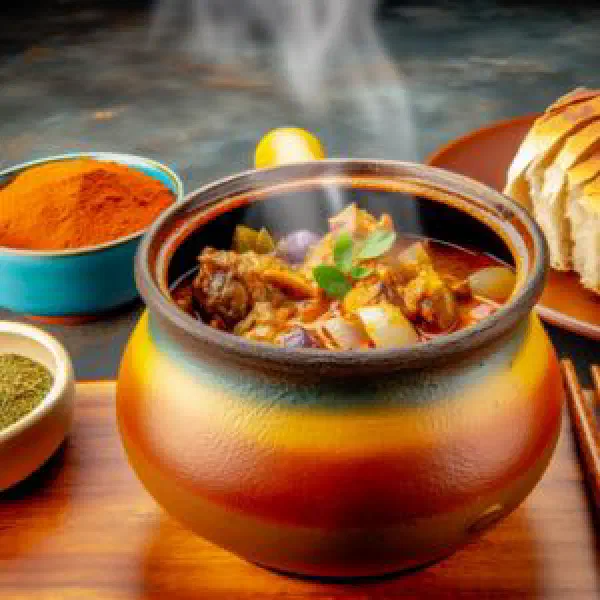
Presentation can make a real difference when serving harisseh. Garnish the dish with chopped nuts and fresh herbs to create colour contrasts and visual interest. Serve it in classic, generously curved bowls or in a traditional tagine for an authentic touch. Extra sides such as a fresh salad or flatbread, perhaps warm Manakish, lift the look of the table and add another layer of flavour to the meal.
A bit of history
Harisseh has a long and fascinating history that reaches back to antiquity. Originally prepared as a feast for important occasions and celebrations, the dish reflects the cultural traditions of Syrian society. Over time the method of preparation has evolved, yet it has stayed true to the fundamental combination of semolina and meat. Cooking harisseh is a connection to Syria’s history and traditions, passed down from generation to generation.
More recipe ideas
- Tabbouleh — a fresh salad of parsley, bulgur and tomatoes.
- Fattoush — a colourful salad with toasted bread and a delicious dressing.
- Falafel — crispy chickpea fritters, perfect as a snack or part of a mezze platter.
- Kibbeh — stuffed parcels filled with spiced, fried meat.
- Hummus — a smooth chickpea dip that pairs beautifully with flatbread.
Summary: Harisseh
Harisseh is more than just a dish; it is a culinary tradition that embodies flavour and history. The combination of tender meat, fine wheat semolina and carefully chosen spices creates a unique taste experience. Harisseh brings the warm hospitality of the Syrian kitchen straight into your home. Let the depth and variety of this dish inspire you and enjoy a taste of the Orient in your own kitchen.