National Dish Syria: Hummus (Recipe)
In this article
Discover hummus, Syria’s beloved chickpea classic. This silky purée of chickpeas, nutty tahini and golden olive oil is one of the Middle East’s great culinary gifts, wholesome, protein-rich and endlessly versatile. This recipe brings a taste of Syrian hospitality straight to your table.
About Hummus
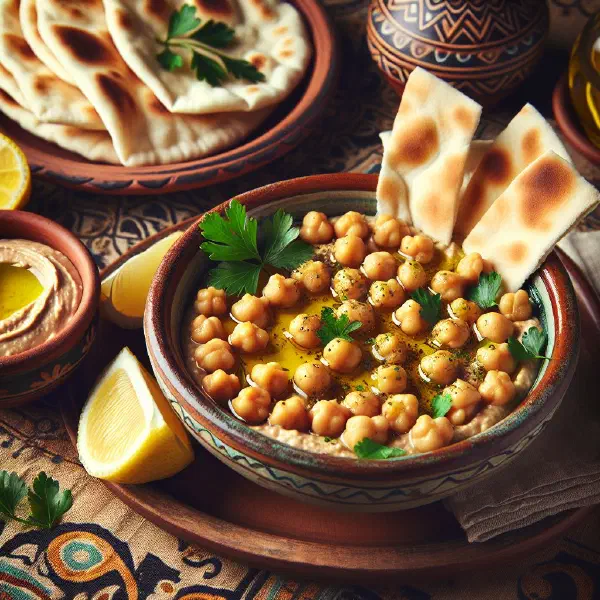
Hummus is not merely a delicious dish. It is a true symbol of Syrian cooking. A base of chickpeas is transformed by the combination of tahini, lemon juice and olive oil into a creamy experience treasured across the entire region. The dish is rich in protein and fibre, making it as nourishing as it is satisfying. A main course or a dip, hummus is wonderfully versatile and goes down well on almost any occasion, much like its cousin Masabaha, a chunkier take on the same beloved chickpea theme.
Ingredients (serves 1–2)
- 200 g chickpeas (cooked or tinned)
- 2–3 tablespoons tahini
- Juice of 1 lemon
- 2 tablespoons olive oil
- 1 garlic clove
- Salt to taste
- Water (as needed for the right consistency)
Shopping for the ingredients
You will want good-quality ingredients for your hummus. The chickpeas are best bought in a jar or tin, as they come ready-cooked and cut the preparation time considerably. Tahini, a paste made from sesame seeds, is available in most supermarkets or in a specialist Middle Eastern grocery. Be sure to use fresh garlic to achieve the best flavour.
Preparing the dish
Preparing hummus is quick and remarkably simple. Start by rinsing the chickpeas thoroughly and letting them drain if you are using tinned ones. Squeeze the lemon and chop the garlic into small pieces. For the best result, all the ingredients should be at room temperature. This ensures everything blends together perfectly.
Step-by-step instructions
- Put the chickpeas, tahini, lemon juice, olive oil and garlic into a food processor.
- Blitz the mixture until it reaches a creamy consistency.
- Add water as needed until you have a smooth, spreadable texture.
- Season the mixture with salt and blend once more.
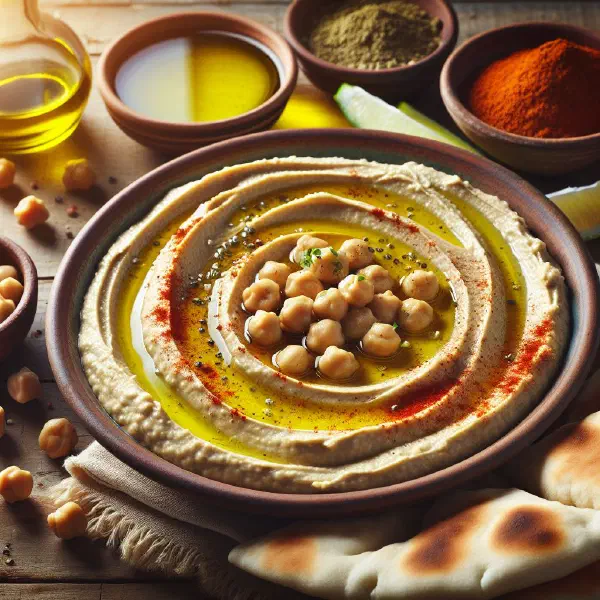
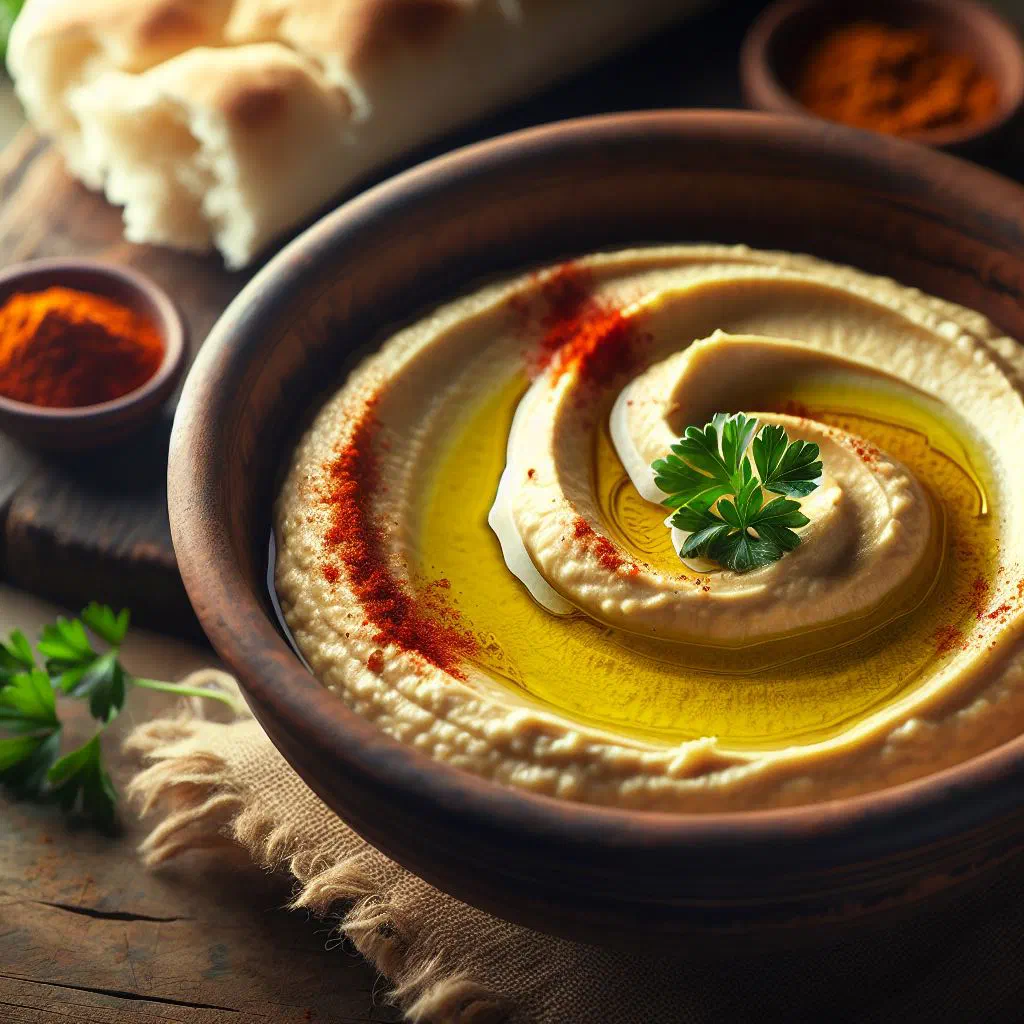
- Serve the hummus in a bowl and drizzle a little extra olive oil over the top.
Gluten-free / lactose-free version
Hummus is naturally gluten-free and lactose-free, since its core ingredients are chickpeas, tahini, lemon juice and olive oil. That makes it an excellent choice for anyone with intolerances or allergies, and you can enjoy it without worrying about adverse reactions. Just take care to choose gluten-free bread or vegetable sticks as an accompaniment.
Tips for vegans and vegetarians
For vegans and vegetarians, hummus is an outstanding choice, as it contains no animal products whatsoever. You can adapt it in countless ways by adding different spices or extras such as paprika, cumin or fresh herbs to build extra layers of flavour. Remember too that hummus is a good source of protein, which makes it a perfect addition to a plant-based diet. Experiment with different variations to discover new favourites.
More tips and tricks
To create the perfect hummus, blend the chickpeas thoroughly before adjusting the seasoning. This is the key to an ultra-creamy texture. Another helpful trick is to add a splash of iced water, which makes the hummus even silkier. Vary the consistency to suit your preference by adding more or less water. Finally, a drizzle of olive oil and a scattering of spices just before serving gives the dish a particularly delicious aroma.
Adapting the recipe to your taste
One of hummus’s great strengths is its versatility. You can adjust the ingredients to suit your own taste. Try roasted garlic, spinach or even beetroot for a striking colour and flavour. Discerning cooks will also find plenty of scope to experiment with the consistency until they achieve the perfect spread. Do not be afraid to get creative and try out your own favourite ingredients.
Ingredient substitutions
If you do not have certain ingredients to hand, or wish to avoid them, there are plenty of alternatives. In place of tahini you can use yoghurt to preserve the creaminess, although this does make the dish less vegan-friendly. Instead of chickpeas, white beans or red lentils work well and offer an interesting twist. Likewise, avocado oil can stand in for olive oil, bringing a subtly different flavour note with it.
Drink pairing ideas
Many different drinks pair well with hummus and round off the experience. A refreshing mint lemonade or Arabic tea harmonises beautifully with the dish’s gentle piquancy. A red wine, especially one that is fruity and light, can also be a very good companion. Among the non-alcoholic options, sparkling water or fruit juices work best, depending on personal taste.
Serving and presentation ideas
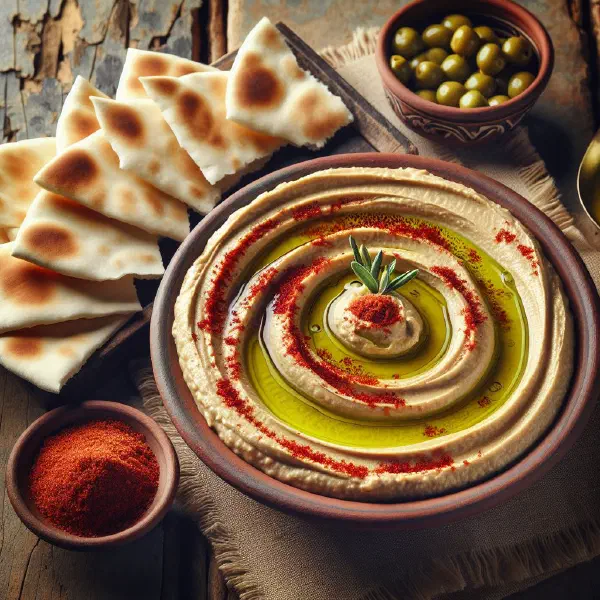
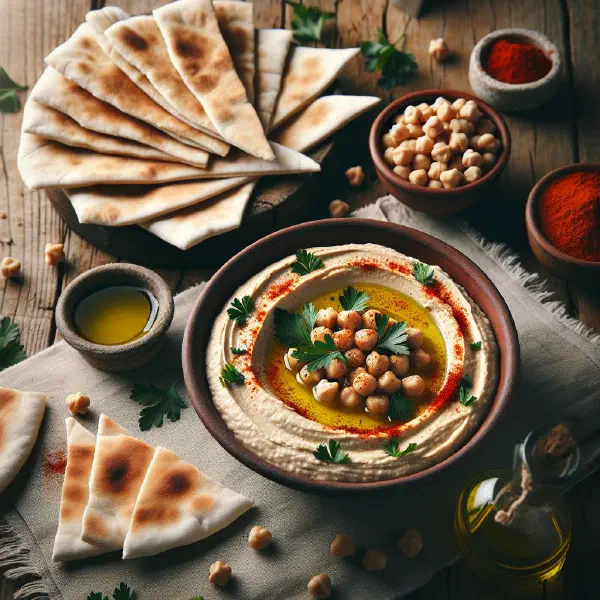
Presentation can lift the whole hummus experience. Use a large, shallow bowl, place the hummus in the centre and swirl it attractively with the back of a spoon. Garnish the dish with olive oil, paprika or fresh herbs to please the eye. Arrange a selection of vegetable sticks and warm flatbread around the hummus so guests can see straight away how to enjoy it, perhaps alongside a fresh Fattoush salad or a plate of crisp Falafel.
A bit of history
Hummus has a long history stretching back to ancient times. The dish is often regarded as one of the oldest forms of purée and is found throughout the cultures of the Middle East. In Syria, hummus holds a special place and is traditionally served at celebrations and special occasions. Its popularity has spread far beyond the region, and today it appears in kitchens around the world, a shining ambassador for Syrian cuisine.
More recipe ideas
Summary: Hummus
In short, hummus is a versatile and nutritious dish that suits all manner of occasions. It adapts effortlessly to individual tastes, and thanks to its wholesome ingredients it is a perfect choice for anyone who wants to eat well. With so many variations to try, it never gets boring. Enjoy a taste of Syrian culture with this delicious dish.