National Dish Syria: Kabsa (Recipe)
In this article
Discover Kabsa, Syria’s celebrated one-pot rice dish. Fragrant basmati rice, tender chicken or lamb and a heady blend of warming spices come together in a meal made for sharing. Whether it takes centre stage at a family gathering or turns an ordinary evening into a small feast, kabsa delivers the generous, aromatic spirit of the Syrian table straight to your kitchen.
About Kabsa
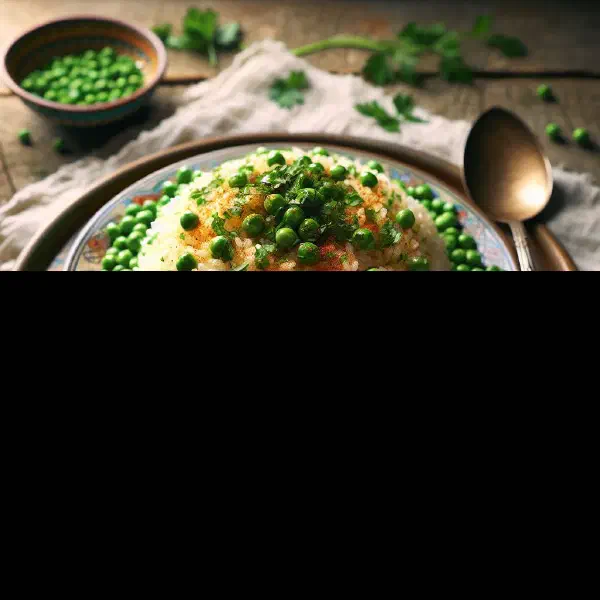
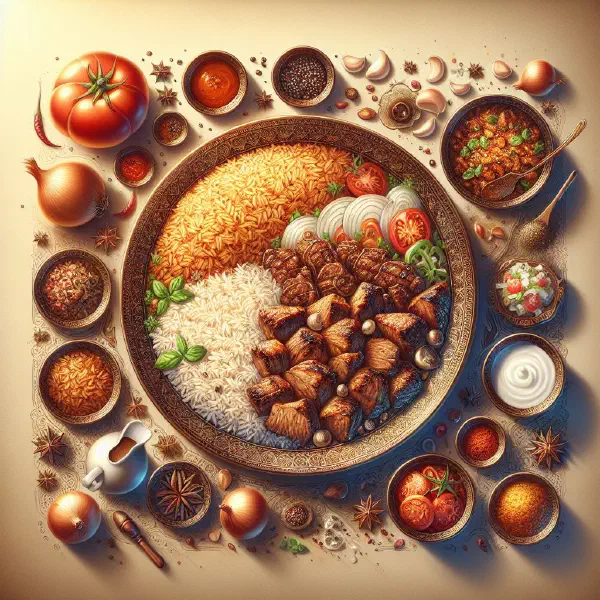
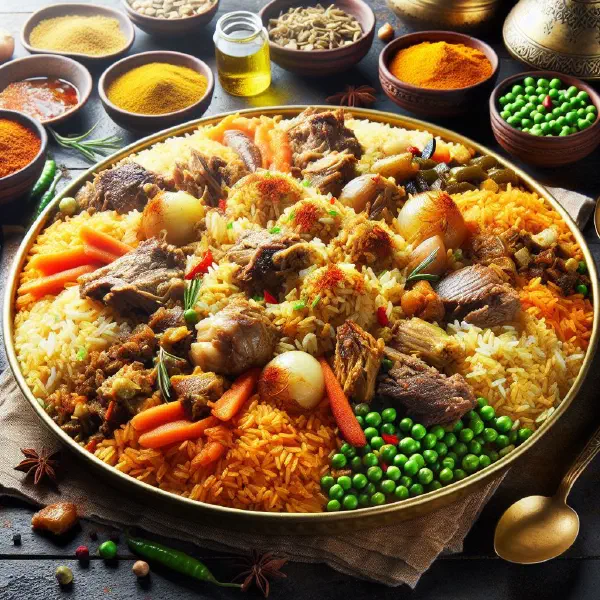
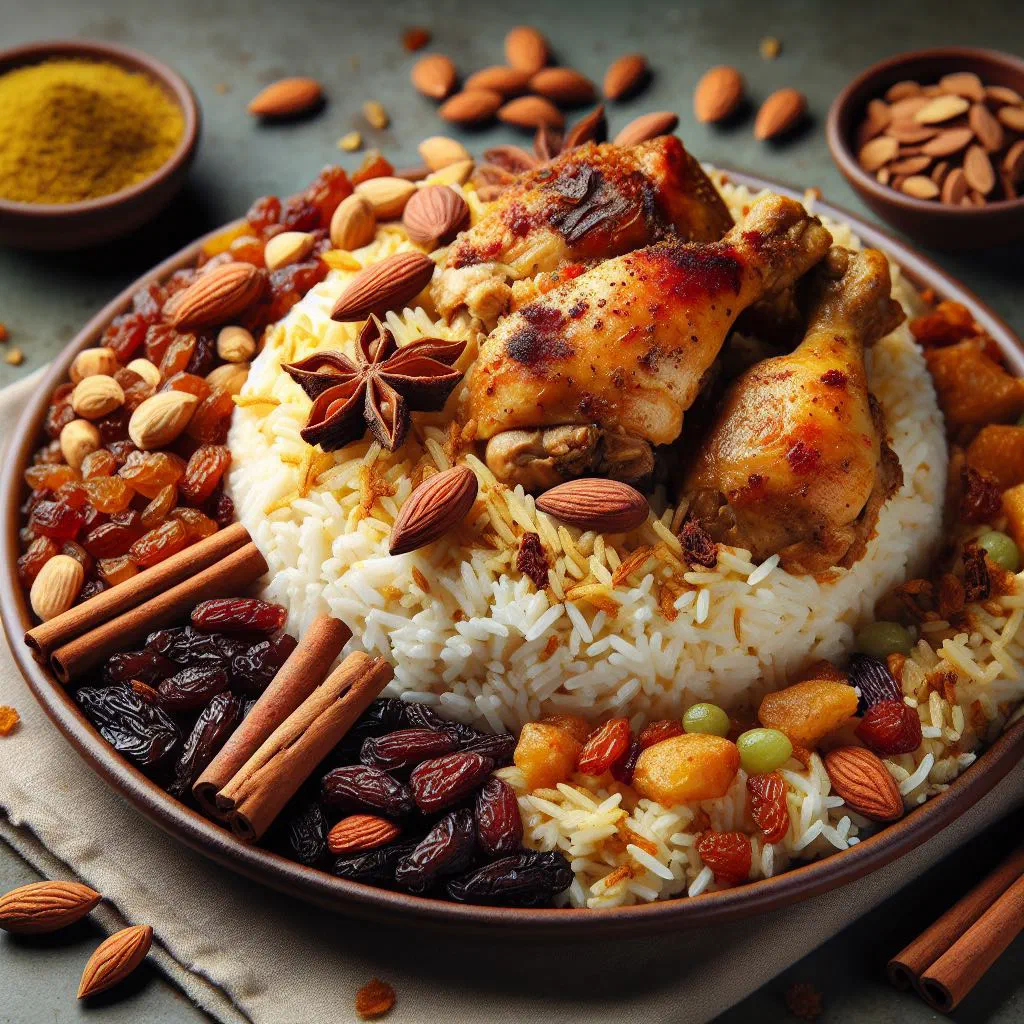
Kabsa is a traditional Syrian dish whose layered flavours please the palate while standing as a symbol of hospitality and culture. This delicious rice dish combines basmati rice with succulent meat, typically chicken or lamb. The aromatic spices used in kabsa lend it a distinctive character and create a memorable taste experience. Kabsa is always a highlight, much like Mansaf, another festive centrepiece of the region.
Ingredients (serves 1-2)
- 200 g basmati rice
- 300 g chicken breast or lamb
- 1 large onion, diced
- 2 garlic cloves, chopped
- 2 tomatoes, diced
- 1 teaspoon cinnamon
- 1 teaspoon cumin
- 1 teaspoon cardamom
- 1 teaspoon paprika
- Salt and pepper, to taste
- 2 tablespoons vegetable oil
- 500 ml vegetable or chicken stock
- Fresh herbs (e.g. parsley), to garnish
Shopping for the ingredients
To make sure your kabsa develops the best possible flavour, choose fresh, high-quality ingredients. Look for fresh meat and aromatic produce, paying particular attention to the spices, which are essential to the full taste. Visit local markets or Middle Eastern grocery shops to track down the more specialised items. These shops often stock regional variations of the spice blends that can give your kabsa an even more authentic note.
Preparing the dish
Preparing kabsa takes a little planning, but it is well worth the effort. Start by washing the rice thoroughly so it sheds its starch and cooks up light and fluffy. Cut the meat into small pieces and season it generously with the spices. Chopping the vegetables ahead of time means everything is ready when you start cooking. Good preparation keeps the cooking process running smoothly and ensures you serve a delicious dish at the end.
Step-by-step instructions
- Heat the oil in a large pot and fry the diced onion until golden brown.
- Add the meat and brown it on all sides until cooked through.
- Stir in the chopped garlic and diced tomatoes and let everything simmer for a few minutes.
- Add the spices (cinnamon, cumin, cardamom, paprika) and stir well.
- Scatter in the washed rice and briefly fry it with the mixture.
- Pour in the stock, bring to the boil, then reduce the heat and cover the pot.
- Simmer for 15-20 minutes until the rice is tender and the liquid has been absorbed.
- Serve the kabsa hot, garnished with fresh herbs.
Gluten-free / lactose-free version
Kabsa is naturally gluten-free, as its main ingredient is basmati rice. To keep the dish lactose-free as well, simply use vegetable oil instead of butter. Check the stock you are using too, to make sure it contains no lactose. That way, people with specific dietary requirements can also enjoy kabsa.
Tips for vegans and vegetarians
For a vegan or vegetarian take on kabsa, you can replace the meat with vegetables or pulses such as chickpeas or lentils. These ingredients add flavour and protein. You can also use whatever vegetables you fancy to vary the flavours, courgettes, aubergines and peppers are excellent options that make the dish colourful and nourishing. If you love meat-free Levantine cooking, Mujadara is another classic worth trying.
More tips and tricks
To intensify the aroma, lightly toast the spices before using them. This brings out their flavours and lifts the overall taste of the dish. Try not to stir the rice too often, so it stays nice and fluffy. A small squeeze of lemon juice just before serving can also brighten the flavours.
Adapting the recipe to your taste
Kabsa is a wonderfully flexible dish that is easy to adapt to personal preferences. You can vary the spice mix to add more heat or sweetness, depending on your taste. Experiment with different meats such as beef or goat to create interesting variations. There are countless ways to get creative with kabsa.
Ingredient substitutions
If you have no cinnamon sticks, ground cinnamon works too. Just use it sparingly. Instead of basmati rice you can use other varieties such as jasmine rice for a slightly different aroma. The stock can be swapped for vegetable stock to offer a vegetarian option. Keep an eye out for seasonal local vegetables that complement the dish as well.
Drink pairing ideas
An aromatic dish like kabsa pairs best with non-alcoholic drinks, such as a refreshing mint tea. Water with a splash of lemon or lime makes a healthy, refreshing accompaniment. Fruit juices such as pomegranate or hibiscus are lovely additions too. These drinks help balance the spices in kabsa and provide a delicious contrast.
Serving and presentation ideas
Presentation plays an important role when serving kabsa. Arrange the dish on a large, flat platter and decorate it with fresh herbs and toasted nuts for extra texture. You can also lay crisp vegetables such as cucumber and tomato alongside the kabsa to add splashes of colour, or serve a bowl of Fattoush on the side. A beautifully set table with traditional touches rounds off the experience and creates a real sense of Middle Eastern flair.
A bit of history
Kabsa has a long and fascinating history that can be traced back to the roots of Arabic cooking. The dish is believed to have originated in the Gulf region and spread along the trade routes over the centuries. Each region has developed its own version over time, making kabsa a symbol of the Middle East’s culinary diversity, and a proud fixture of Syrian cuisine. Today kabsa is considered a staple in many Arab countries and is a firm feature of festive occasions.
More recipe ideas
- Tabbouleh — an herb salad with bulgur and tomatoes
- Makloubeh — an upside-down rice dish with meat and vegetables
- Shorbat Adas — a comforting lentil soup
- Warak Enab — stuffed vine leaves
- Knafeh — a traditional dessert of sweetened cheese
Summary: Kabsa
In summary, kabsa is a celebration of flavours and traditions. This versatile rice dish brings the essence of Syrian gastronomy into your kitchen and is ideal for any festivity or family meal. With countless variations and adaptations, you can shape it to suit your personal preferences. With carefully chosen ingredients and loving preparation, kabsa becomes a memorable experience for every palate.