National Dish Syria: Karabeej Halab (Recipe)
In this article
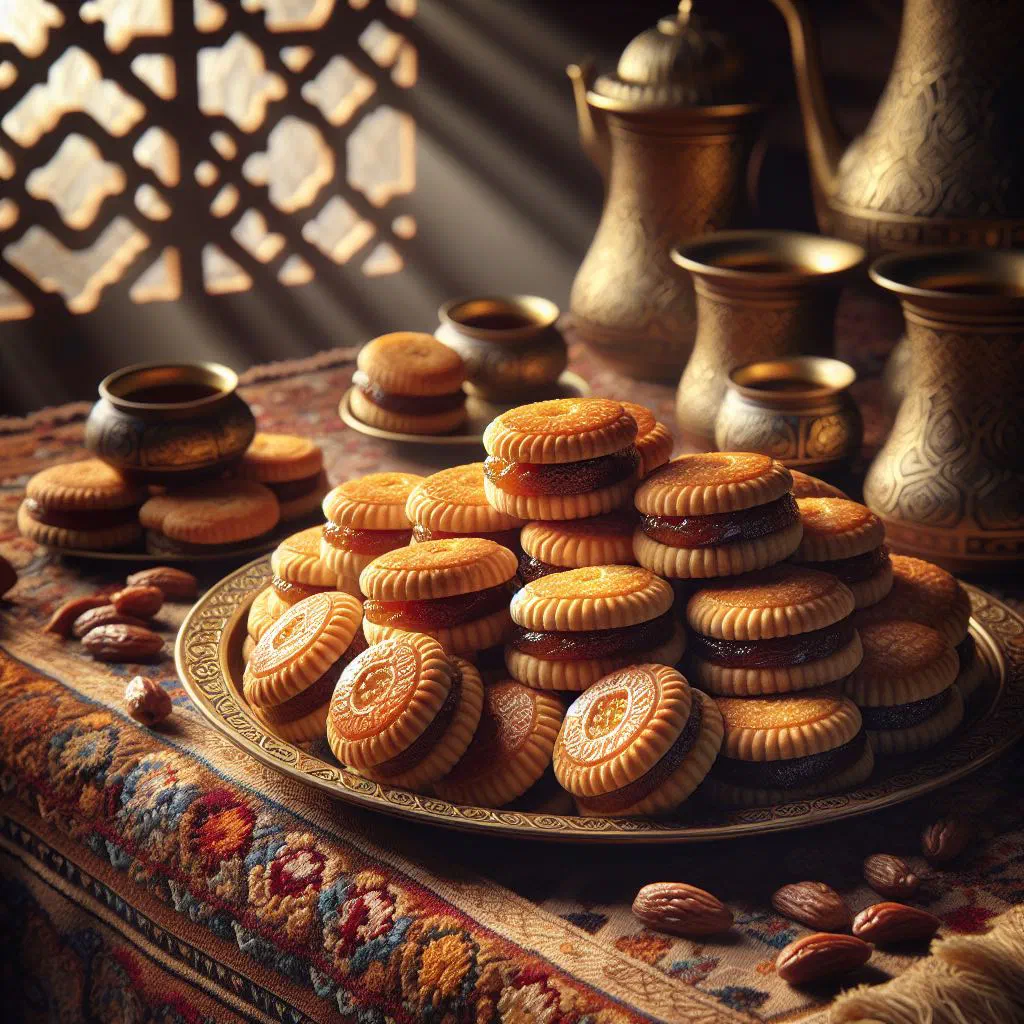
Meet Karabeej Halab, a treasured Syrian dessert of delicate pastry rolls wrapped around a fragrant nut filling. Hailing from the ancient city of Aleppo, these golden treats combine wafer-thin dough with walnuts, cinnamon and a glistening drizzle of honey. This guide walks you through every step, from shopping and preparation to gluten-free and vegan variations, along with a glimpse into the rich food culture of Syria.
About Karabeej Halab
Karabeej Halab is a traditional Syrian national dish that traces its origins to the ancient city of Aleppo. Making these fine pastry rolls calls for a little skill and patience, but the result is a genuine taste experience. The foundation is wafer-thin sheets of dough filled with an aromatic blend of nuts, cinnamon and sugar. This sweet delicacy is perfect for special occasions or simply as an appealing snack.
Ingredients (serves 1–2)
- 200 g flour
- 100 ml water
- 50 ml oil
- 100 g ground nuts (almonds or walnuts)
- 50 g sugar
- 1 teaspoon cinnamon
- 1 pinch of salt
- Butter, for brushing
- Honey or syrup, to serve
Shopping for the ingredients
When shopping for Karabeej Halab, pay close attention to the quality of the nuts, as they make a decisive contribution to the flavour of the dish. Freshly ground nuts are ideal because they release far more aroma. The flour should be as fine as possible to produce a smooth, supple dough. Signature spices such as cinnamon give the dessert an extra layer of flavour and are easy to find on any spice shelf.
Preparing the dish
Before you begin making Karabeej Halab, it is important to have all the ingredients measured out and combined. Mix the ground nuts with the sugar and cinnamon in a bowl to prepare the filling. The dough should be rolled out as thinly as possible so the filling does not escape during baking and the moisture stays locked inside. It is also wise to set up a suitable work surface and keep plenty of flour to hand to stop the dough from sticking.
Step-by-step instructions
- Combine the flour, water, oil and a pinch of salt in a bowl and work into a smooth, supple dough.
- Divide the dough into 5–6 portions and roll each one out thinly.
- Spread the nut mixture evenly over the rolled-out dough.
- Lightly moisten the edges of the dough and roll up the pastry rolls.
- Place the rolls on a greased baking tray and brush with butter.
- Bake in a preheated oven at 180°C for around 25–30 minutes until golden brown.
- Drizzle with honey or syrup after baking and serve warm.
Gluten-free / lactose-free version
For a gluten-free take on Karabeej Halab, use a gluten-free flour with a consistency similar to wheat flour. This is particularly important for preserving the texture of the pastry rolls. Lactose-free butter works as a substitute for regular butter, making the dish accessible to anyone with a lactose intolerance. Remember to check the other ingredients for lactose-free alternatives too, so the entire dessert stays lactose-free.
Tips for vegans and vegetarians
Finding vegan alternatives for Karabeej Halab is straightforward. In place of butter, use plant-based margarine or another vegan fat. For the filling, you can reach for maple syrup or agave nectar instead of sugar to achieve the sweetness. A delicious vegan option is to add dried fruits such as dates or figs, which complement the nut filling and bring a natural sweetness of their own.
More tips and tricks
To get the best result when baking Karabeej Halab, make sure the dough is neither too thick nor too thin. Dough that is too thick may leave the centre underdone, while dough that is too thin can tear easily. It also helps to let the dough rest at room temperature before rolling it out, so it becomes more elastic. For extra sweetness, you can sprinkle the pastry rolls with a mixture of cinnamon and sugar before they go into the oven.
Adapting the recipe to your taste
The filling of Karabeej Halab is easy to adapt. Experiment with different nuts, pistachios or hazelnuts, for example, to create new flavour profiles. You can also adjust the sweetness by using more or less sugar or honey. For a special touch, spices such as nutmeg or cloves can be folded into the filling to add extra depth, much like the fragrant fillings of Qatayef.
Ingredient substitutions
If you are looking for alternatives to the classic ingredients, you can replace some or all of the flour with ground almonds or coconut flour for a nuttier note. Chia seeds or flaxseeds make a healthy addition to the nuts in the filling. For sweetness, try coconut sugar, which has a caramel-like flavour and is a healthier choice than refined sugar.
Drink pairing ideas
Karabeej Halab pairs beautifully with a range of drinks. A traditional Arabic coffee harmonises perfectly with the sweetness of the dessert and delivers an intense flavour. Alternatively, serve herbal teas such as mint tea or chamomile tea, which offer a refreshing note and cleanse the palate. For a festive touch, a rosemary-infused syrup drink or jasmine tea rounds off the experience nicely.
Serving and presentation ideas
Thoughtful presentation makes Karabeej Halab even more enjoyable. Serve the pastry rolls on a decorative platter and garnish them with chopped nuts, mint leaves or a dusting of icing sugar. A small bowl of honey or syrup on the side lets guests dip to their heart’s content. Colourful crockery and attractive decorations help the dessert feel special and festive.
A bit of history
The roots of Karabeej Halab reach back to ancient Syrian culture, where these pastries were served as a symbol of hospitality and celebration. Aleppo, famed for its rich culinary tradition, has preserved and passed down the method of preparation over the centuries. The recipe has evolved through the generations, with every family adding its own touch. It is a true expression of Syrian cuisine and embodies the wealth of ingredients the country has to offer.
More recipe ideas
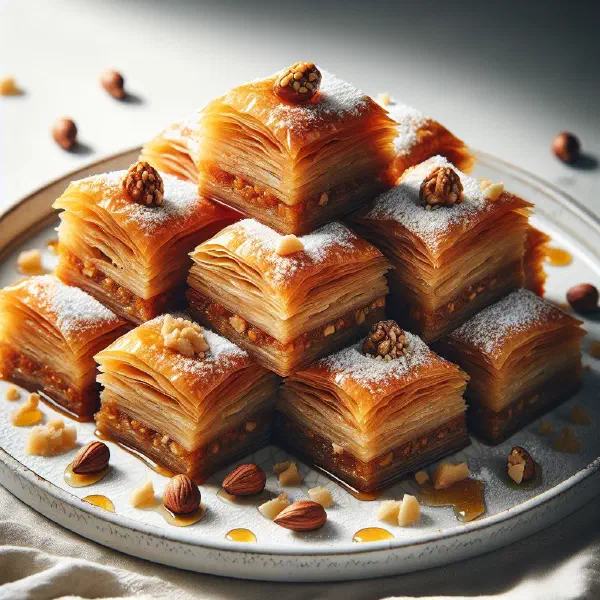
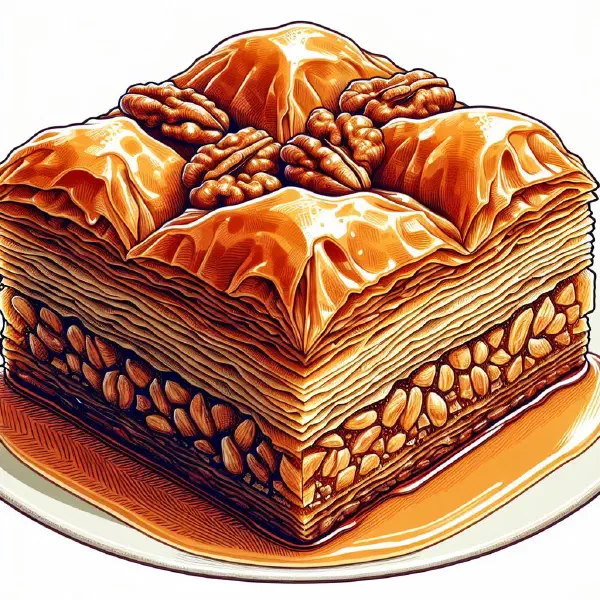
- Baklava — another delectable Middle Eastern dessert, filled with nuts and sweetened with syrup.
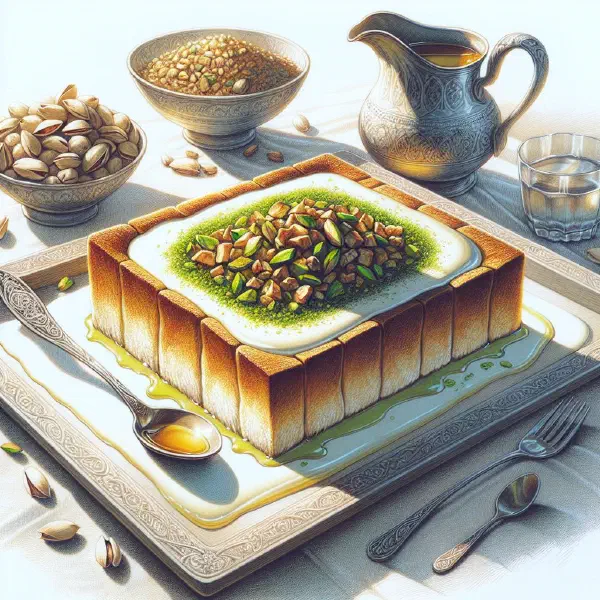
- Knafeh — a beloved Arabic dessert made from fine pastry threads and a sweet cheese filling.
- Maamoul — delicate stuffed shortbread cookies filled with dates or nuts.
- Halawet El Jibn — soft sweet cheese rolls with a creamy filling.
- Ghraybeh — melt-in-the-mouth butter biscuits often topped with pistachios.
Summary: Karabeej Halab
Karabeej Halab is a fascinating piece of Syrian culture, captivating with its combination of delicate pastry rolls and a delicious nut filling. This dish is a pleasure for the palate and a symbol of tradition and family. Its many possible variations make it easy to adapt Karabeej Halab to personal preferences.