National Dish Syria: Kibbeh Nayyeh (Recipe)
In this article
Meet Kibbeh Nayyeh, one of Syria’s most treasured delicacies, a refined raw meat preparation that rewards care and quality with extraordinary flavour. Finely minced lamb or beef is kneaded with semolina, fresh herbs and warm spices, then served with crisp vegetables and flatbread. With a detailed ingredient list, step-by-step guidance, dietary adaptations, drink pairings and a look at the dish’s long history, this recipe brings a true taste of the Levant to your table.
About Kibbeh Nayyeh
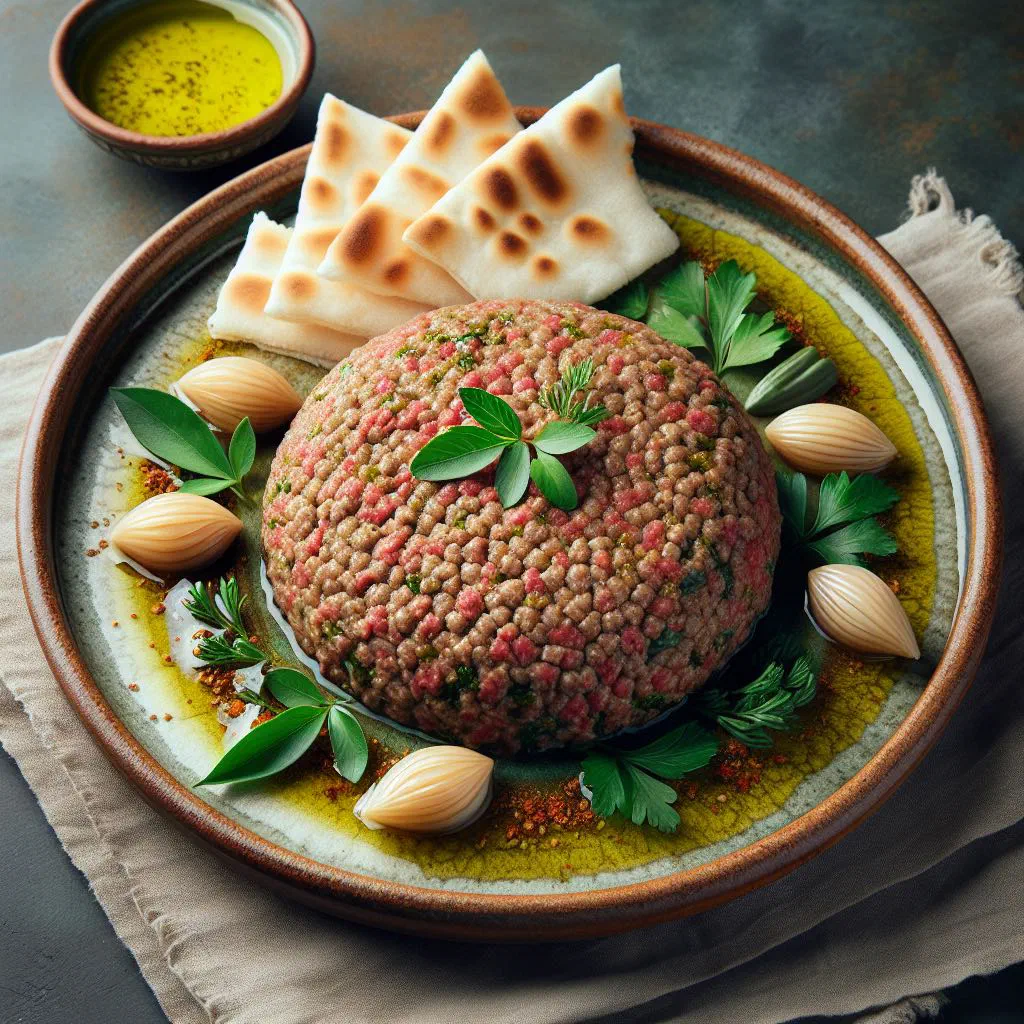
Kibbeh Nayyeh is regarded as one of the best-known and most highly prized specialities of Syrian cooking. This delicate raw meat preparation wins people over with the fresh, intense aromas so typical of Middle Eastern cuisine. The dish consists mainly of finely minced lamb or beef, blended with fine wheat semolina, choice herbs and aromatic spices. The combination delivers a memorable taste experience, enjoyed at festive occasions and in everyday life alike.
Ingredients (serves 1–2)
- 200 g fine beef or lamb, raw
- 50 g fine wheat semolina
- 1 small onion, very finely chopped
- Fresh herbs such as mint and parsley
- 2 tablespoons olive oil
- 1 teaspoon nutmeg
- 1 teaspoon salt
- Fresh vegetables (e.g. cucumber, tomato, radish)
- Flatbread
Shopping for the ingredients
When shopping for kibbeh nayyeh, the quality of the meat is everything. Visit a trusted butcher who offers fresh, top-quality beef or lamb, the same care in sourcing that makes a good Kebab Halabi shine. The choice of herbs matters just as much: fresh mint and parsley make the dish sing and lend it a special aroma. Take care to pick fine wheat semolina too, as the texture has a major influence on the final result.
Preparing the dish
Preparing kibbeh nayyeh calls for a little care to make sure the dish is as appealing to the eye as it is to the palate. Start by chopping or mincing the meat very finely; it should reach an almost paste-like consistency. Then mix the chopped onion and the spices thoroughly into the meat, or combine everything in a bowl with a lid. Let the mixture rest so the flavours can develop fully, ideally leave it in the fridge for a few hours.
Step-by-step instructions
- Put the meat and onion in a bowl and combine well.
- Add the fine semolina, olive oil, nutmeg and salt, and mix everything thoroughly.
- Knead the mixture well with your hands until it forms a smooth, homogeneous mass.
- Spread the prepared mixture evenly over a flat plate.
- Garnish with fresh herbs and a drizzle of olive oil.
- Serve with fresh vegetables and flatbread to complete the experience.
Gluten-free / lactose-free version
For a gluten-free version of kibbeh nayyeh, the wheat semolina can be replaced with quinoa or gluten-free oats. Make sure that none of the ingredients you use contain any traces of gluten. Avoiding lactose is just as straightforward: simply prepare the dish without any cream-based products. This way you can adapt the recipe to individual needs without sacrificing its authentic flavour.
Tips for vegans and vegetarians
Vegans and vegetarians can recreate kibbeh nayyeh with a mixture of finely chopped vegetables, nuts and pulses. A combination of mashed chickpeas, courgette and a variety of fresh herbs can deliver a similar texture and a wonderfully aromatic result. Do not forget the spices either. They give the plant-based version its essential kick. Experiment with different ingredients until you find the perfect blend for your palate.
More tips and tricks
A few simple tips can lift kibbeh nayyeh even further. Make sure the dish is prepared absolutely fresh, as the quality of the ingredients plays a decisive role. You can also fine-tune the consistency, the longer you knead the mixture, the finer it becomes. When serving, offer not just fresh vegetables on the side but also a little yoghurt for dipping, which harmonises beautifully with the aromatic spices.
Adapting the recipe to your taste
If you do not have every ingredient to hand, there are plenty of alternatives. The lamb or beef can be replaced with lean poultry, for instance, if you prefer a lighter version. Instead of olive oil you can also use other oils such as grapeseed or peanut oil, which bring their own interesting flavours.
Ingredient substitutions
If certain ingredients are unavailable, sensible swaps keep the dish on track. Fine bulgur or quinoa can stand in for the semolina, and lean poultry makes a lighter alternative to lamb or beef. Grapeseed or peanut oil can replace olive oil without losing the dish’s character. Substitutions like these let you tailor the recipe to what is in season or simply to what your pantry holds.
Drink pairing ideas
The right drink can heighten the whole kibbeh nayyeh experience. A refreshing mint tea or a glass of aromatic pomegranate juice pairs wonderfully with the dish. Alternatively, light wines that are not too dominant make an excellent accompaniment, especially white wines with a lively, zesty note. Feel free to experiment with different drinks until you find the perfect match for your palate.
Serving and presentation ideas
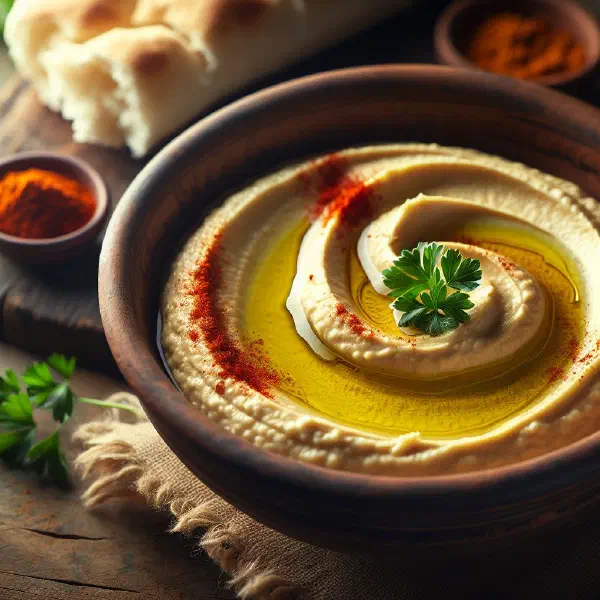
An attractive presentation can greatly enhance the enjoyment of kibbeh nayyeh. Serve the dish on a colourful plate and garnish it with a variety of fresh herbs. Arrange the fresh vegetables appealingly around the dish to create visual variety, perhaps alongside a bright bowl of Tabbouleh or creamy Hummus. A thoughtfully laid table will impress your guests whenever you serve this traditional dish.
A bit of history
Kibbeh nayyeh has a long history reaching back to the ancient Orient. Originating in the Middle East, the dish spread over time through different cultures and countries. Every region developed its own variations, reflecting local tastes and ingredients. This diversity makes kibbeh nayyeh a fascinating example of the ever-evolving food culture of the East, and a proud cornerstone of Syrian cuisine.
More recipe ideas
Summary: Kibbeh Nayyeh
In summary, kibbeh nayyeh is an exquisite starter that perfectly embodies the flavours of the Orient. The preparation demands a little time and care, but the result is a memorable feast that unites tradition and hospitality in equal measure. With the right ingredients and a loving presentation, this dish becomes the highlight of any meal. Try kibbeh nayyeh in your own home and let yourself be enchanted by this fascinating Syrian speciality.