National Dish Syria: Masabaha (Recipe)
In this article
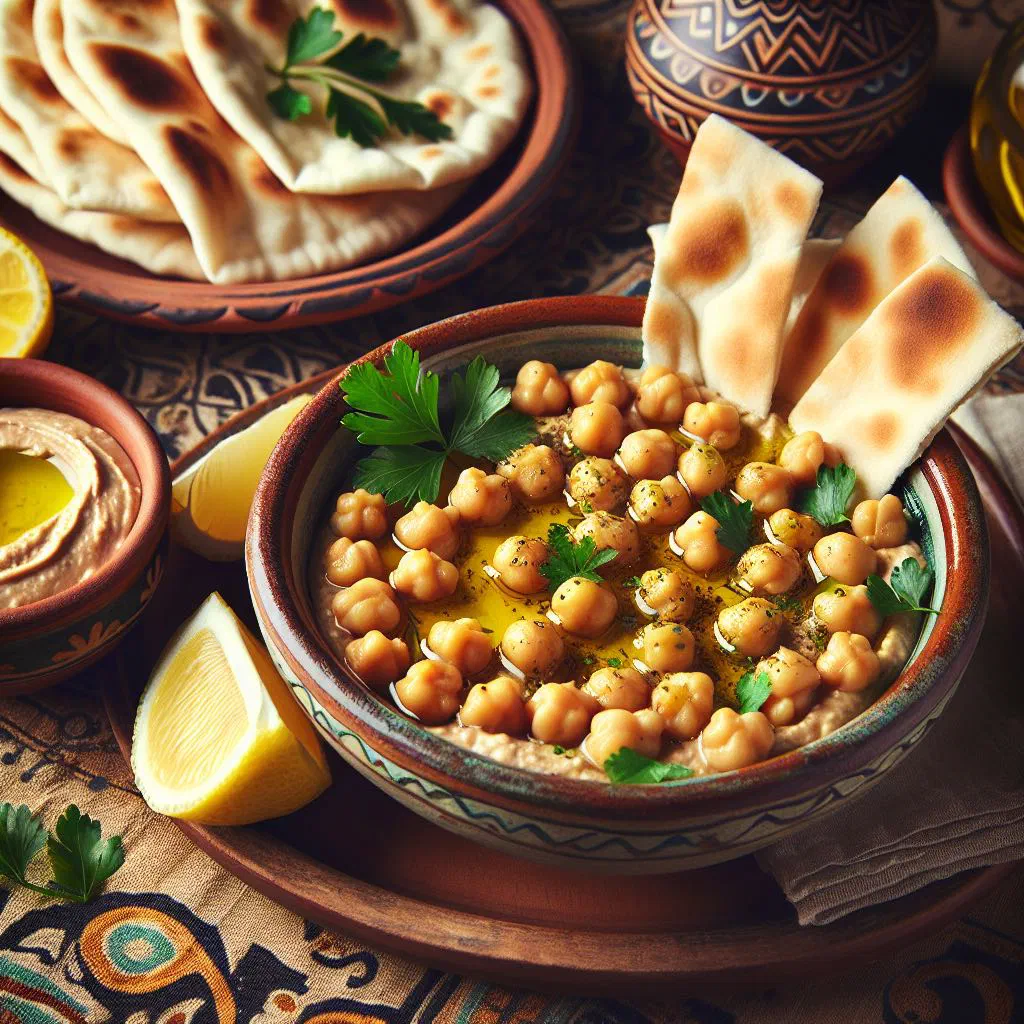
Discover Masabaha, Syria’s wonderfully rustic cousin of hummus. Tender chickpeas are folded through a garlicky, lemon-sharpened tahini sauce rather than blended smooth, giving every spoonful satisfying texture and bags of flavour. This nourishing classic brings a true taste of the Levant to your table.
About Masabaha
Masabaha is a traditional Syrian dish known for its rich seasoning and nourishing ingredients. Chickpeas take centre stage, combined with an aromatic sesame paste better known as tahini. The dish has a long history in the region and has become a firm favourite across Middle Eastern cooking as a whole. Masabaha is most often served as a dip, but it also makes a satisfying main course. Proof of its remarkable versatility.
Ingredients (serves 1–2)
- 200 g chickpeas (dried or tinned)
- 2–3 tablespoons tahini
- 1–2 garlic cloves, chopped
- Juice of one lemon
- Olive oil, to taste
- 1 teaspoon cumin
- Water (as needed)
- Salt and pepper, to taste
- Parsley, to garnish
Shopping for the ingredients
To make masabaha, it is worth seeking out the freshest ingredients available near you. Chickpeas are stocked in most supermarkets, both dried and tinned, choose good-quality ones for the best flavour and texture. Tahini can be found in most Middle Eastern or health-food shops as well as larger supermarkets; if you own a food processor, you can even make it yourself from sesame seeds with very little effort.
Preparing the dish
The preparation for masabaha is simple and straightforward. If you are using dried chickpeas, soak them overnight in water to soften them. This speeds up the cooking and helps them absorb the flavours of the dish. If you are using tinned chickpeas, rinse them thoroughly to wash away excess sodium and improve the taste. Make sure the remaining ingredients are ready to hand too, especially the fresh garnishes and the spices.
Step-by-step instructions
- If using dried chickpeas, soak them overnight, then bring them to the boil in a pan of water and cook until soft.
- Drain the cooked chickpeas and tip them into a bowl.
- Add the tahini, garlic, lemon juice, cumin, salt and pepper.
- Blitz everything with a stick blender or in a food processor, gradually adding water until you reach the consistency you like.
- Stir in the olive oil and adjust the seasoning to taste.
- Spoon the masabaha into a serving bowl and garnish with freshly chopped parsley.
Gluten-free / lactose-free version
Masabaha is naturally gluten-free and lactose-free, which makes it an excellent choice for anyone with food intolerances. Simply check that all the ingredients you use, particularly the spices, contain no additives that might include gluten or lactose. You can also tailor the dish further through your choice of accompaniments to suit every guest, serve it with gluten-free flatbread or vegetable sticks for a wholesome option.
Tips for vegans and vegetarians
Because masabaha is built entirely on plant-based ingredients, it is a superb option for vegans and vegetarians alike. For extra flavour and texture, scatter over some toasted nuts or seeds. You can also pair the dish with a variety of vegetables to boost its nutritional value and keep things interesting. Feel free to experiment with different spices to match your personal taste.
More tips and tricks
To get the very best out of your masabaha, blend the chickpeas well so a creamy consistency develops. Take care not to over-process the mixture, though, or it can turn too runny. If you like a bit of heat, add a pinch of cayenne pepper or a dash of hot sauce. A final drizzle of extra olive oil just before serving intensifies the aroma beautifully.
Adapting the recipe to your taste
Masabaha adapts wonderfully to personal preference. Try different spices to discover new flavour combinations, or reduce the amount of tahini if you prefer it less creamy. Fresh herbs such as coriander or mint make a lovely garnish and give the dish an extra lift. You can also play with the texture by leaving some chickpeas whole while blending the rest, the same rustic approach that makes Ful Medames so satisfying.
Ingredient substitutions
If you have no chickpeas to hand, experiment with other pulses such as black beans or red lentils, both of which pair well with tahini. In some regions a lighter version is made with yoghurt or quark to boost the creaminess. For a nuttier note, almond or cashew butter can stand in for the tahini. These alternatives open the door to fresh, exciting variations on masabaha.
Drink pairing ideas
Non-alcoholic drinks that complement the flavours of the dish go especially well with masabaha. A freshly pressed lemon and mint iced tea is a refreshing choice that echoes the citrus notes in the recipe. A glass of mint-infused water or a lightly sweetened hibiscus tea also works beautifully. If you would like to serve alcohol, consider a light, fruity beer or a dry white wine.
Serving and presentation ideas
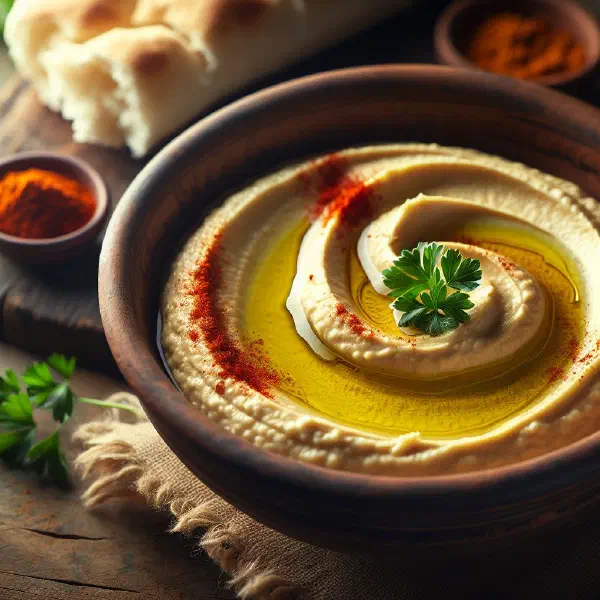
Presenting masabaha can be simple yet striking. Serve it in a colourful bowl, garnished with fresh herbs and a drizzle of olive oil. Edible flowers or pomegranate seeds add colour and a festive touch, while a selection of fresh vegetables on the side turns it into a healthier snack. Presented this way, masabaha is appreciated not just as a meal but as a feast for the eyes too.
A bit of history
Masabaha has its origins in the eastern Mediterranean and is closely tied to the history of the chickpea, which has been cultivated there for centuries. The dish reflects the culinary traditions of Syria and is often enjoyed in convivial settings, at family gatherings or celebrations. It is a tribute to the diversity of Syrian cuisine, which charms with its blend of spices and ingredients. Masabaha is frequently confused with the classic hummus, yet it has its own distinctive flavour nuances and uses.
More recipe ideas
- Hummus — another classic chickpea dip, perfect as a starter.
- Falafel — crisp fried chickpea balls that make a delicious addition to any meal plan.
- Tabbouleh — a refreshing salad of bulgur, parsley and mint.
- Fattet Hummus — layers of chickpeas, toasted bread and yoghurt.
- Batata Harra — spicy fried potatoes with garlic and herbs.
Summary: Masabaha
Masabaha is a flavoursome and versatile dish that can be served as a main course or as a dip. The combination of chickpeas and tahini delivers rich flavour along with plenty of goodness. Whether at a celebration or as an everyday meal, masabaha brings the taste of the Levant to the table. Give this dish a try yourself and let its deliciousness surprise you.