National Dish Syria: Mloukhieh (Recipe)
In this article
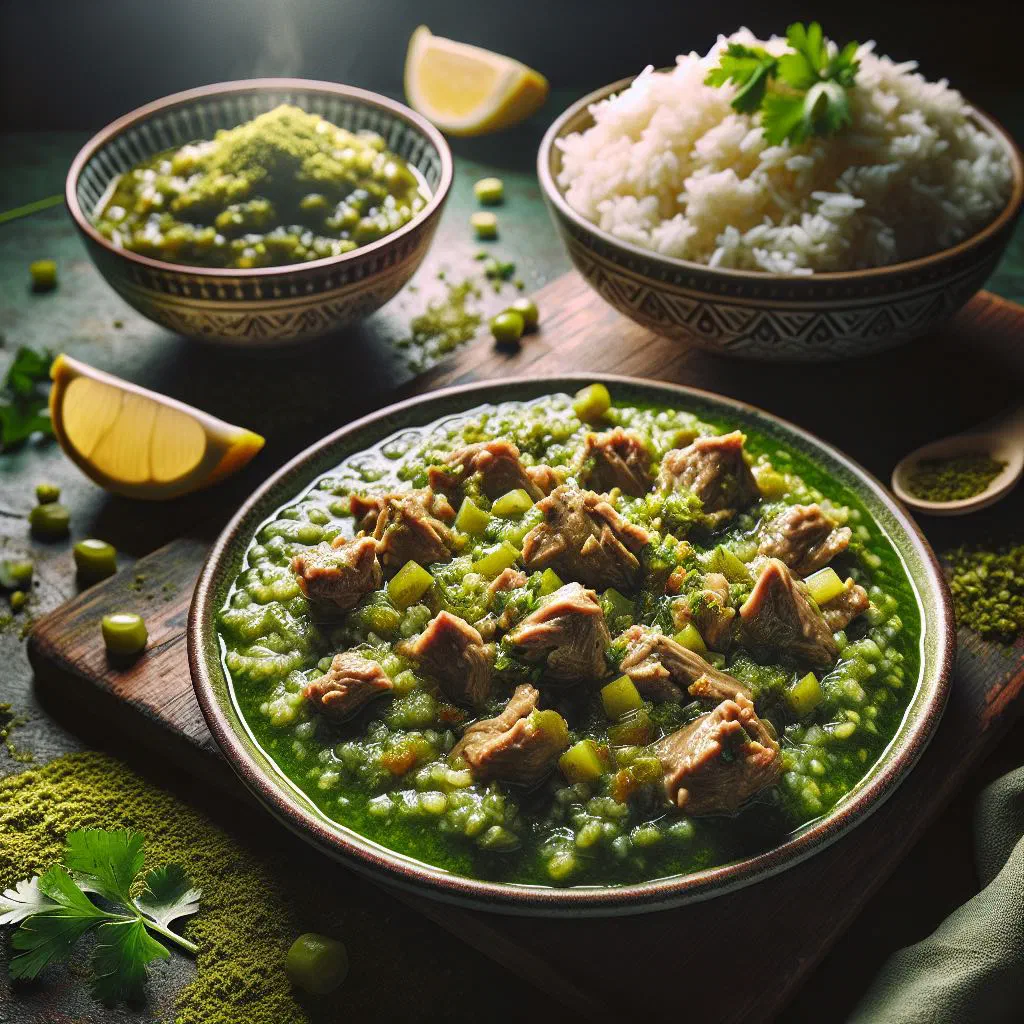
Meet Mloukhieh, Syria’s treasured green stew made from the leaves of the jute mallow plant, gently simmered with tender chicken or lamb and warming spices. Silky in texture and deeply savoury, it is a dish that graces family gatherings and festive tables across the country. This guide walks you through the full recipe, from shopping and preparation to gluten-free, lactose-free, vegan and vegetarian variations, along with plenty of tips for adapting and presenting the dish.
About Mloukhieh
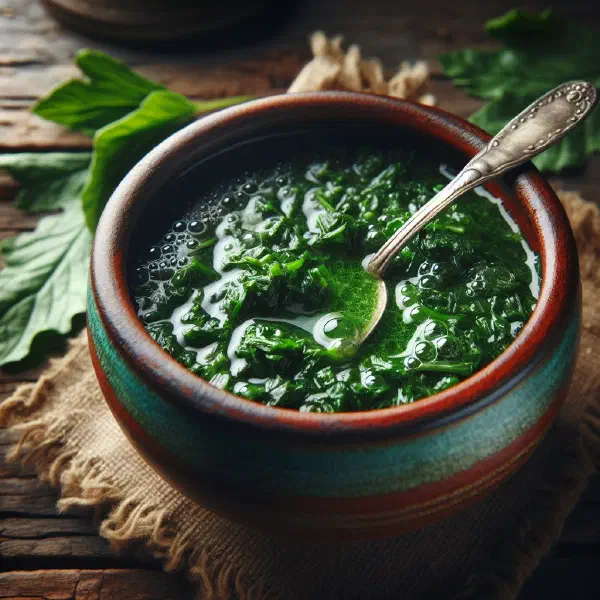
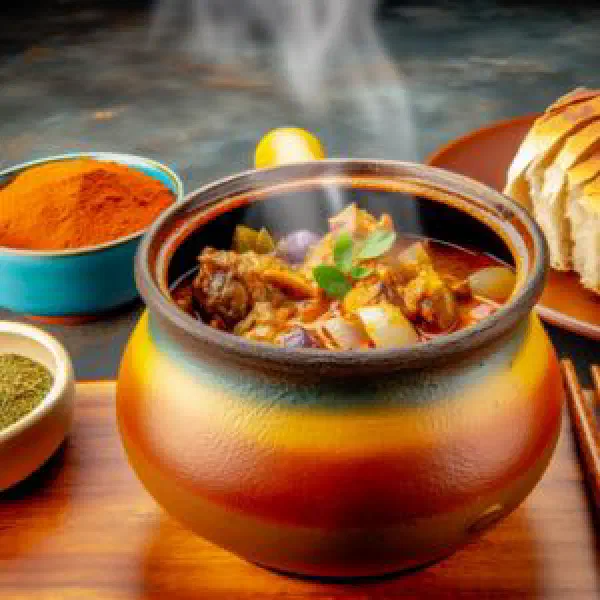
Mloukhieh is a traditional Syrian dish prepared from the mallow plant. This leafy green, also known as jute mallow, has a unique consistency and a subtly tart, earthy flavour. Mloukhieh brings together tender pieces of meat, usually chicken or lamb, with aromatic spices that round the dish off beautifully. It is traditionally served at celebrations and family gatherings, and it is a true classic of Syrian cuisine.
Ingredients (serves 1–2)
- 200 g fresh mallow leaves, or 100 g dried leaves
- 300 g chicken or lamb
- 2 tablespoons olive oil
- 1 onion, diced
- 2 garlic cloves, chopped
- 1 teaspoon cumin
- 1 teaspoon turmeric
- Salt and pepper to taste
- 500 ml water or vegetable stock
- Rice or bread, to serve
Shopping for the ingredients
The ingredients for mloukhieh are fairly easy to come by, especially in Middle Eastern grocery shops or well-stocked supermarkets. When buying the mallow leaves, make sure they are fresh and vibrantly green, as this has a significant impact on the flavour of the dish. If you cannot find fresh leaves, dried ones make a good alternative. Spices such as cumin and turmeric should be available in any well-stocked spice aisle.
Preparing the dish
The preparation is part of the quiet magic behind mloukhieh. Begin by washing the mallow leaves thoroughly and chopping them if needed. Prepare your meat by cutting it into small pieces so it cooks through more quickly. Sautéing the onion and garlic in olive oil is crucial, as it lays the flavour foundation for the whole dish. Use fresh ingredients wherever possible to intensify the aromas.
Step-by-step instructions
- Heat the olive oil in a large pot, add the diced onion and fry until golden brown.
- Add the chopped garlic and fry for another minute.
- Add the pieces of meat to the pot and brown them on all sides until lightly coloured.
- Sprinkle the cumin, turmeric, salt and pepper over the meat and stir everything together well.
- Pour in the water or vegetable stock and bring it to the boil.
- Reduce the heat, cover the pot and let the meat simmer for around 30 minutes.
- After 30 minutes, add the prepared mallow leaves and cook for a further 10 minutes.
- Serve the dish hot, with rice or bread alongside.
Gluten-free / lactose-free version
One of the great qualities of mloukhieh is that it naturally suits a gluten-free and lactose-free diet. The main ingredients, mallow leaves, meat and spices, contain neither gluten nor lactose. If you serve the dish with sides, however, make sure these are gluten-free too. Rice is a safe choice, for instance, whereas you should steer clear of bread that contains gluten.
Tips for vegans and vegetarians
Mloukhieh is easy to adapt for vegans and vegetarians by swapping the meat for plant-based alternatives. Tofu or seitan are excellent options that preserve the dish’s rich, savoury character. Use vegetable stock instead of meat stock to keep the flavours full and rounded. Remember to adjust the spices to your own taste so the dish is exactly to your liking, much like a plate of Yalanji, it proves how satisfying plant-based Syrian cooking can be.
More tips and tricks
An important tip when cooking mloukhieh is not to boil the leaves for too long, as they can quickly turn too soft. It also pays to use fresh mallow leaves, as these deliver the finest aromas. Try making the dish a day in advance, the flavours become far more intense as it rests. For garnishing, fresh herbs such as coriander or parsley lend the dish a lovely fresh note, just as they do in a herb-packed Fattoush.
Adapting the recipe to your taste
The versatility of mloukhieh makes it easy to tailor the recipe to your personal preferences. You can try different cuts of meat or even add seafood to create a whole new flavour direction. Experiment with the spices, perhaps a little chilli for extra kick. You can also vary the vegetables, adding carrots or courgette, for example, to bring additional nutrients and colour to the dish.
Ingredient substitutions
If you cannot find the mallow plant, try preparing the dish with spinach or Swiss chard, which offer similar flavours and textures. It may not be the fully authentic experience, but these greens make a fine alternative. For a spicier note, a touch of chilli or paprika works well. It is also worth looking to other regional kitchens for interesting alternative spices that can shift the flavour of the dish in new directions.
Drink pairing ideas
A range of drinks pairs well with mloukhieh and rounds off the eating experience. A cool, freshly brewed mint tea is a refreshing choice that adds an extra layer of freshness to the meal. Alternatively, a light white wine or a glass of pomegranate juice complements the dish’s flavours beautifully. For a simple alcohol-free option, water with a slice of lemon is ideal.
Serving and presentation ideas
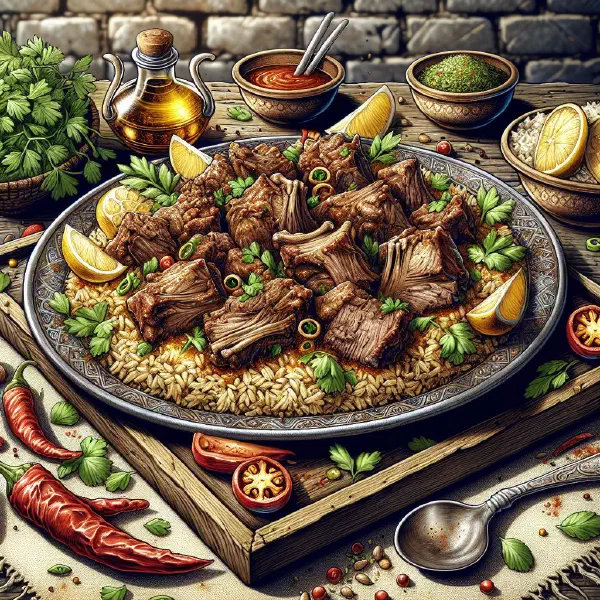
Presentation plays an important role in how the dish is enjoyed. Serve mloukhieh in a large bowl to show off its colours and textures, and garnish it with fresh herbs such as coriander or mint. An attractive arrangement of the sides, rice or bread, also improves the overall look and builds anticipation before the first bite. Play with the colour contrast between the deep green mloukhieh and its accompaniments to make the plate even more appealing.
A bit of history
Mloukhieh has a history and is found throughout many Mediterranean and Arab food cultures. The dish originally comes from the Nile region and has been prized for centuries for its nourishing qualities. In Syria it has grown into a national dish, often seen as a symbol of hospitality and family tradition. It is delicious and carries treasured memories of Syrian culture and heritage, much like the beloved Kibbeh.
More recipe ideas
Summary: Mloukhieh
All in all, Mloukhieh is a dish that is not only delicious but wonderfully versatile too. It invites you to experiment with different ingredients and adapt it to your own preferences. This aromatic stew brings the essence of Syrian culture and tradition to the table and is perfect for any celebration. Give it a try and experience the flavours of Syria in your own kitchen.