National Dish Syria: Muhallebi (Recipe)
In this article
Discover Muhallebi, Syria’s silkiest sweet treat. This delicate milk pudding, gently perfumed with rose water or orange blossom and crowned with chopped nuts, captures the elegance of the Middle Eastern dessert table in just a handful of ingredients. Bring a little piece of Syrian hospitality straight to your own kitchen.
About Muhallebi
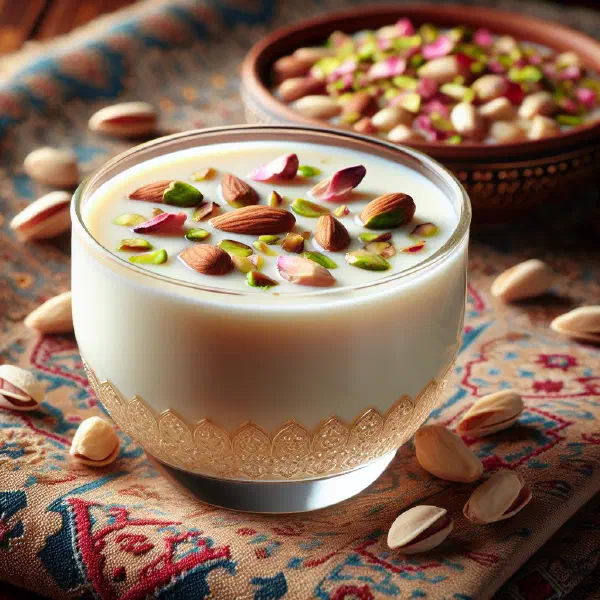
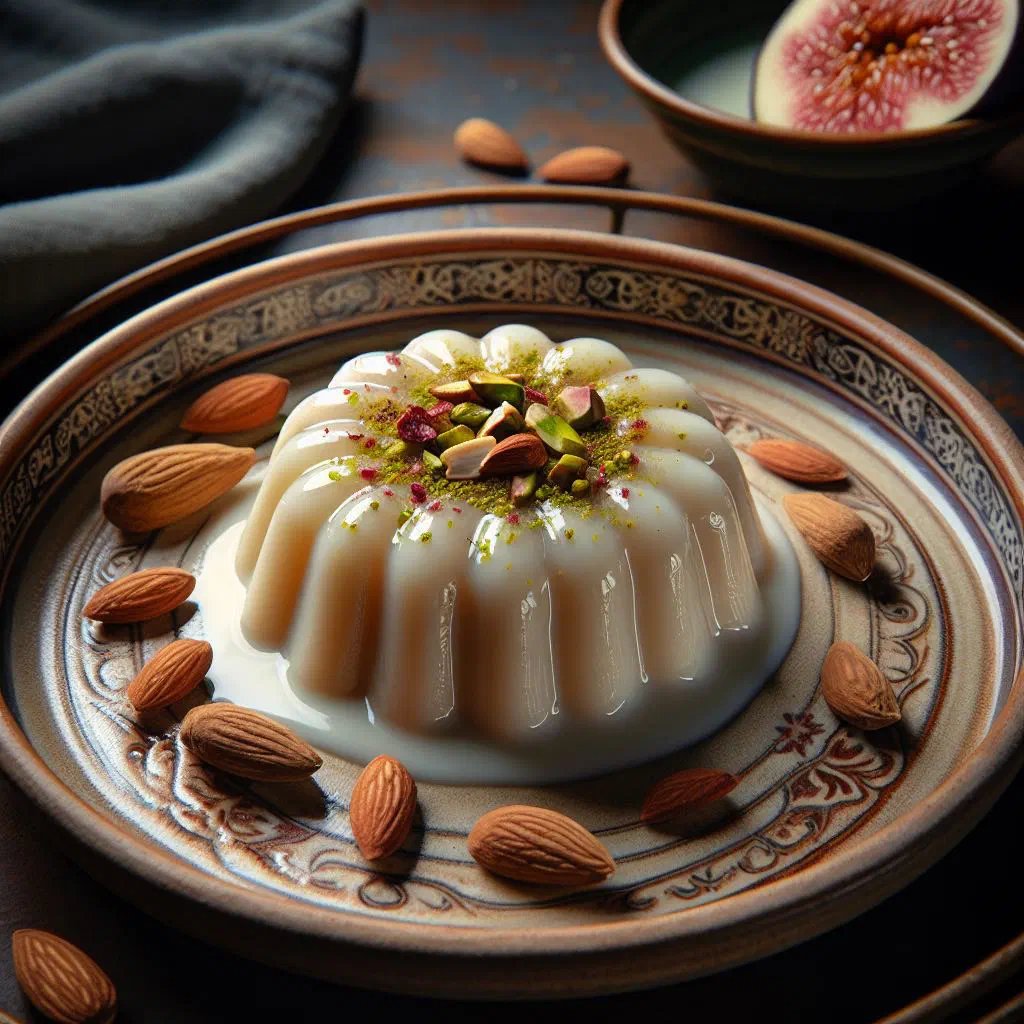
Muhallebi is a classic Syrian dessert that is popular across many Arab countries. It is a creamy milk pudding, typically perfumed with rose water or a hint of orange blossom. The base usually consists of milk, sugar and rice starch, which gives the dish its delicate, silky-smooth consistency.
Ingredients (serves 1–2)
- 500 ml whole milk
- 50 g sugar
- 30 g rice starch
- 1 teaspoon rose water or orange blossom water
- A pinch of salt
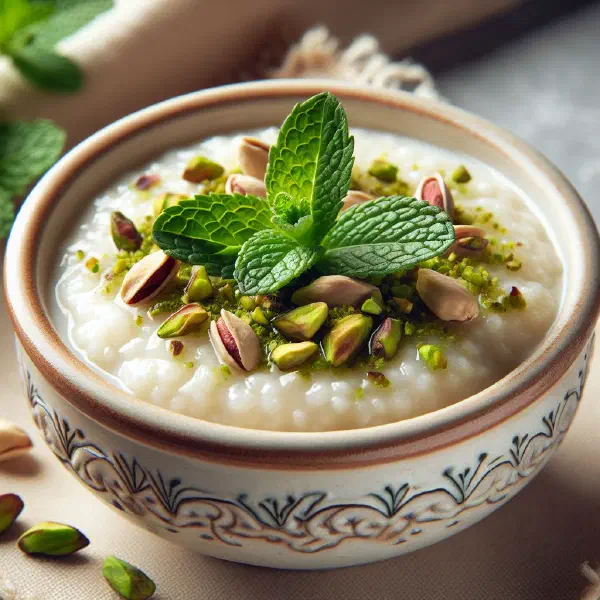
- To garnish: chopped pistachios or almonds
Shopping for the ingredients
For muhallebi you only need a few ingredients, all of which are available in any well-stocked supermarket. The main ingredient is whole milk, which should be bought fresh. Sugar, rice starch and rose water can be found in the baking aisle or in specialist food shops. If you would like to add a special touch, look out for chopped nuts for the garnish, which are widely used in Middle Eastern cooking.
Preparing the dish
The preparation for muhallebi is quick and straightforward. Start by dissolving the rice starch in a little cold milk to avoid lumps. This mixture is later heated with the rest of the milk so the pudding develops a lovely, creamy consistency. Make sure you stir constantly to stop the mixture catching on the bottom of the pan and to keep the texture perfectly even.
Step-by-step instructions
- Dissolve the rice starch in 100 ml of cold milk.
- Put the remaining milk in a saucepan with the sugar and a pinch of salt and bring to the boil.
- Add the dissolved rice starch to the boiling milk, stirring constantly.
- Let the mixture simmer for a few minutes until it thickens.
- Stir in the rose water or orange blossom water and pour the mixture into dessert moulds or glasses.
- Chill the puddings in the fridge for at least 2 hours.
- Garnish with chopped nuts before serving.
Gluten-free / lactose-free version
Muhallebi adapts beautifully to a gluten-free and lactose-free diet. Instead of whole milk you can use oat milk or almond drink. These alternatives are easy to digest and deliver a similarly creamy flavour. Check that the rice starch you use is gluten-free, which it usually is. That way you can enjoy this delicious dessert without having to worry about food intolerances.
Tips for vegans and vegetarians
For vegans, muhallebi is just as easy to adapt: simply use plant-based milk and a suitable sweetener. Swap the dairy milk for a plant-based milk alternative such as coconut, almond or soya milk. When it comes to the garnish, candied almonds or pistachios are wonderful options too. With these small adjustments, muhallebi remains every bit as delicious while fitting a fully vegan lifestyle.
More tips and tricks
To make your muhallebi even more delicious, feel free to experiment with different flavourings. Popular variations include vanilla or a touch of chocolate, which give the pudding an interesting twist. Another tip is to play with the consistency, if you prefer a thicker pudding, leave the mixture on the hob a little longer until it reaches the texture you want. Just remember to stir regularly so nothing catches on the pan.
Adapting the recipe to your taste
The beauty of muhallebi is how easily it bends to personal preference. Fancy a different kind of sweetness? Try alternative sweeteners such as honey or agave syrup to give your pudding an individual note. You can also experiment with different fruit or nut toppings to put your own stamp on the dessert. That way your muhallebi becomes a treat for the eyes as well as the palate.
Ingredient substitutions
It is easy to vary the ingredients for muhallebi. If you would rather avoid refined sugar, switch to coconut blossom sugar or another natural sweetener. There are plenty of alternatives to rice starch too, such as cornflour or even ground linseed. Be creative with your choice of ingredients to tailor the pudding to your diet or your taste, much like the equally adaptable Halawet El Roz.
Drink pairing ideas
A few drinks pair beautifully with muhallebi and round off its sweet notes. A minty lime water or a freshly brewed fruit tea is refreshing and complements the pudding nicely. Arabic coffee is another excellent choice, as its robust flavour balances the sweetness of the dessert. In the colder months, a warm cup of Sahlab makes a wonderfully cosy companion and turns your moment of indulgence into a truly memorable experience.
Serving and presentation ideas
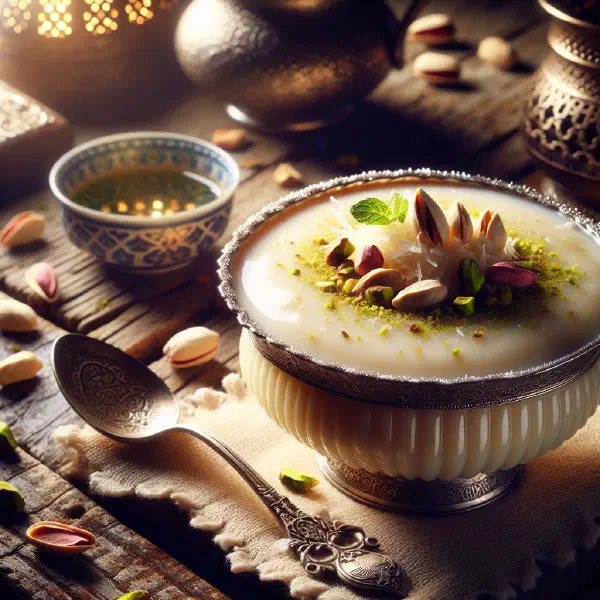
Presentation is key to getting the most out of muhallebi. Small, transparent glasses show off the layering and the pudding’s pretty colour to full effect. Topped with fresh fruit or chopped nuts and a drizzle of syrup, it not only tastes wonderful but looks fantastic too. Make the most of colourful ingredients to give the dessert extra visual appeal.
A bit of history
Muhallebi has a long history and traces its origins to the Middle East. It is thought to have been enjoyed as a delicacy as far back as antiquity. Originally it was served on special occasions and was regarded as a symbol of hospitality. Today it is a fixture at many celebrations and has established itself over the centuries as a beloved dessert found in countless variations throughout the Arab world, a shining example of Syrian cuisine.
More recipe ideas
- Baklava — a sweet pastry with nuts and syrup
- Knafeh — a delicious cheese-based dessert with crisp pastry layers
- Basbousa — a moist semolina cake soaked in syrup
- Maamoul — filled biscuits with dates or nuts
- Qatayef — stuffed sweet pancakes
Summary: Muhallebi
Muhallebi is a delicious and easy-to-make dessert that holds a special place in Syrian cooking. With its creamy consistency and the seductive aroma of rose water or orange blossom, it is a genuine taste experience. The recipe’s flexibility lets you adapt it to your own preferences and even to dietary restrictions. Give it a try yourself and enjoy this Middle Eastern speciality.