National Dish Syria: Sawsan (Recipe)
In this article
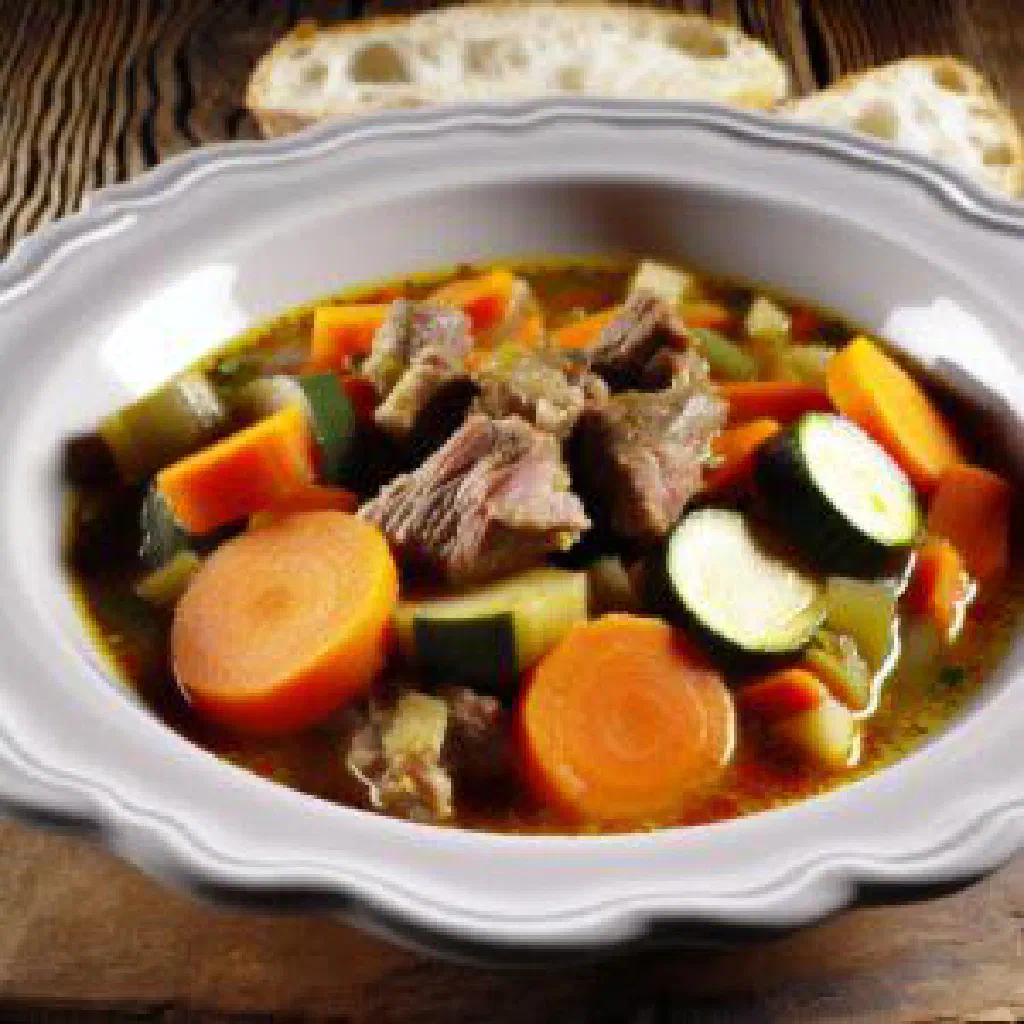
Discover Sawsan, a Syrian classic that brings tender pieces of meat, fresh vegetables and warm, aromatic spices together in one pot. Slowly simmered until everything is meltingly soft, it is the kind of dish that turns a special dinner or a gathering of friends into a real occasion. Bring the generous flavours of Syria straight to your own table.
About Sawsan
Sawsan is a traditional Syrian dish, prized for its delicious combination of tender meat, fresh vegetables and a distinctive blend of spices. Known for its rich aroma, it is often served on special occasions and brings the full, varied flavours of Syria to the plate. It is wonderfully suited to convivial get-togethers or a festive dinner. The preparation calls for a little skill, but it rewards you with a memorable eating experience that will pleasure your guests.
Ingredients (serves 1–2)
- 300 g lamb or beef
- 2 carrots, diced
- 1 courgette, diced
- 1 onion, finely chopped
- 2 garlic cloves, chopped
- 1 teaspoon cumin
- 1 teaspoon paprika
- 2 tablespoons olive oil
- Salt and pepper to taste
- Fresh parsley, to garnish
Shopping for the ingredients
When shopping for sawsan, pay close attention to the quality of the meat and the fresh produce. Visit local markets or organic shops to make sure you get the freshest ingredients. Look for meat that is tender and well marbled, as this has a decisive influence on the flavour and texture of the dish. Spices matter just as much; consider buying them from a specialist Middle Eastern grocer to guarantee authentic aromas.
Preparing the dish
Good preparation is crucial to the final flavour. Start by washing and cutting the vegetables carefully. The meat should be cut into even pieces so that it cooks uniformly. Take care to chop the garlic and onions finely, as they form the base of the dish’s aromas. Thorough preparation ensures the cooking process runs smoothly and lets you focus entirely on the pot.
Step-by-step instructions
- Heat the olive oil in a large pan over a medium heat.
- Add the chopped onion and garlic and fry until golden brown.
- Add the cut meat and brown it on all sides.
- Stir in the diced vegetables and the spices, mixing everything well.
- Pour in enough water to cover the ingredients and let the dish simmer over a low heat until the meat is tender.
- Serve hot, garnished with fresh parsley.
Gluten-free / lactose-free version
For a gluten-free or lactose-free version, you only need to keep an eye on the ingredients. Sawsan uses no gluten-containing components, so it is suitable for anyone with a gluten intolerance. Simply make sure that the spices and oils you choose are also gluten-free. Using fresh vegetables and good-quality meat also guarantees that the dish stays naturally lactose-free.
Tips for vegans and vegetarians
Vegans and vegetarians can easily adapt sawsan to their needs. Instead of meat, use tofu, seitan or red lentils to create a protein-rich alternative. It is also worth choosing a vegetable stock as the base for the dish to intensify the flavour. Either way, the spices and the fresh ingredients remain the heart of the recipe, so plant-based variations stay just as aromatic and delicious.
More tips and tricks
A few tips and tricks will help you get the most out of this dish. Let it simmer for longer to deepen the aromas and keep the meat especially tender. Choosing the right spice combination is equally important; experiment with different spices until you hit your personal taste. Do not forget to taste the dish shortly before serving and adjust the seasoning as needed.
Adapting the recipe to your taste
One simple way to adapt the recipe is through your choice of vegetables. Feel free to vary it with seasonal vegetables or your personal favourites to keep things interesting. Different cuts and types of meat also change the character of the dish without losing its authentic soul. Adjusting the amount of spice likewise lets you make the dish milder or hotter, entirely to taste.
Ingredient substitutions
There are plenty of alternatives you can use in your sawsan. If you would rather not use lamb or beef, chicken works well, and vegetarian versions are worth trying too. Among the seasonings, fresh herbs such as mint or coriander are excellent additions for extra freshness. Experiment with different vegetables and protein sources until you find the combination that suits you best, the same spirit of variation that makes Kousa Mahshi so popular.
Drink pairing ideas
When choosing drinks to go with sawsan, classic Arabic tea or a refreshing mint lemonade both pair beautifully with the dish’s aromas. A dry, lightly spiced red wine can also be a good choice to complement the flavours. For alcohol-free options, various fruit juices or still water with a slice of lemon underline the freshness. Drinks like these enhance the meal and round off the culinary experience.
Serving and presentation ideas
To present sawsan attractively, a few simple styling principles go a long way. Serve the dish in a large, decorative bowl and garnish it generously with fresh parsley. Add colourful side dishes to create visual contrast and lift the whole experience. A beautifully set table can turn the meal into a festive occasion and win your guests over to the pleasures of Syrian cuisine.
A bit of history
The history of sawsan is deeply rooted in Syrian culture. Dishes like this embody a rich culinary tradition passed down through generations, reflecting the diversity of flavours and ingredients used across the region. Historically, cooking was often a social event, with families and friends coming together to prepare and enjoy food, much as they still do over a shared platter of Fatteh. The dish is a symbol of Syrian hospitality and togetherness.
More recipe ideas
- Tabbouleh — a refreshing parsley salad with bulgur
- Mujadara — a lentil dish with rice and caramelised onions
- Kibbeh — stuffed bulgur dumplings, often filled with meat
- Fattoush — a crisp Arabic bread salad
- Hummus — a creamy chickpea dip
Summary: Sawsan
In summary, sawsan is a delicious, aromatic dish that captures the essence of Syrian cooking. With its varied mix of ingredients and flavours, it is a perfect companion for special occasions and convivial gatherings. Engaging with its preparation deepens your understanding of Syrian gastronomy and conveys the cultural importance of sharing food. Let this recipe inspire you to discover the diversity of Syria’s kitchen in your own home.