National Dish Syria: Warak Enab (Recipe)
In this article
Discover Warak Enab, Syria’s beloved stuffed vine leaves. Tender leaves are wrapped around a fragrant filling of rice, fresh herbs and warming spices, then gently simmered with lemon until meltingly soft. These delicate little rolls bring the very good flavours of the Levant straight to your table.
About Warak Enab
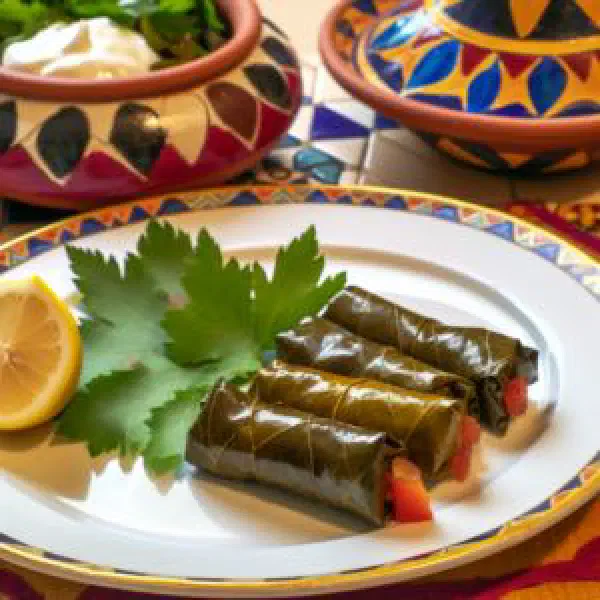
Warak Enab, also known as stuffed vine leaves, is a much-loved dish in Syrian cuisine. These delicious little rolls consist of tender vine leaves wrapped around a fragrant mixture of rice, fresh herbs and a blend of spices. Making them takes a little skill and attention to detail, which is exactly what makes Warak Enab such a highlight at festive gatherings. It is a dish that works equally well as a starter or a main course, and it never fails to please.
Ingredients (serves 1–2)
- 10–15 fresh vine leaves
- 100 g rice
- 1 onion, finely chopped
- 1 bunch fresh parsley, chopped
- 1 teaspoon paprika
- 1 teaspoon cinnamon
- 1 lemon, juice and zest
- Olive oil, to taste
- Water, for cooking
Shopping for the ingredients
Choosing fresh ingredients is key when making Warak Enab. For the vine leaves, your best bet is a Turkish or Middle Eastern supermarket, where you are sure to find good-quality fresh leaves. Alternatively, look out for jars of leaves preserved in brine, though the freshness of the leaves really does matter for an authentic flavour. Remember to buy the remaining ingredients, such as the rice and spices, fresh as well to get the best out of the dish.
Preparing the dish
Before you start assembling, wash the vine leaves thoroughly and blanch them so they become soft and pliable. This makes rolling the filling much easier. While the leaves drain, prepare the filling from the rice, herbs and spices. Take care to combine the mixture well so the flavours are evenly distributed throughout.
Step-by-step instructions
- Blanch the washed vine leaves in boiling water, then leave them to cool.
- Cook the rice in a pan of water with a pinch of salt until it still has a little bite.
- Sauté the onion in olive oil until translucent, then combine it with the cooked rice, herbs and spices.
- Lay a vine leaf on a clean work surface and place 1–2 tablespoons of the filling in the centre.
- Fold in the sides and roll the leaf up into a firm parcel.
- Layer the rolls in a pan and pour over water and lemon juice.
- Simmer the rolls over low heat for about 45 minutes, until tender.
Gluten-free / lactose-free version
One advantage of Warak Enab is that it is naturally gluten-free and lactose-free, as long as you take care not to add any ingredients containing gluten. Use a certified gluten-free olive oil when cooking and check that all the spices you use are gluten-free too. This makes it an ideal dish for anyone with a gluten intolerance. Many cooks appreciate this flexibility, adapting the recipe to suit their own dietary needs.
Tips for vegans and vegetarians
Warak Enab is wonderfully suited to vegans and vegetarians, as the filling is easy to adapt. In place of animal products, stir extra vegetables such as tomatoes or courgette into the rice-and-herb mixture for added depth of flavour. Using plant-based oils in the preparation is also recommended. Experiment with different herbs to give the dish even more variety, the vegetarian sister dish Yalanji is a great source of inspiration.
More tips and tricks
A few pointers will help you get Warak Enab just right. Do not overfill the leaves, as the rolls can burst open during cooking. It also helps to weigh the rolls down with a plate while they simmer, so they cook evenly and do not float to the surface. Another tip: leave the rolls to marinate overnight in the fridge before cooking to develop even more intense flavours.
Adapting the recipe to your taste
The recipe for Warak Enab is incredibly versatile and welcomes all sorts of adjustments. Feel free to swap or vary the herbs and spices to suit your personal taste. Some people prefer a fierier version and add chilli powder, while others like the flavours milder. Use your creativity to make the recipe your own and serve your family or friends something truly unique.
Ingredient substitutions
If you do not have every ingredient to hand, there are some useful alternatives. Instead of rice, try quinoa or even bulgur for a different texture and flavour. You can also add pulses such as lentils or chickpeas to the filling to make the dish more nutritious. Substitutions like these keep the dish varied and make it healthier too.
Drink pairing ideas
Warak Enab pairs beautifully with a range of drinks. A refreshing yoghurt drink such as ayran complements the flavours perfectly and provides a pleasant, cooling contrast. A lightly chilled white wine or rosé also makes an excellent companion, highlighting the dish’s Mediterranean notes. For an alcohol-free option, serve simple water with a slice of lemon or a minty herbal tea to round off the flavour combination.
Serving and presentation ideas
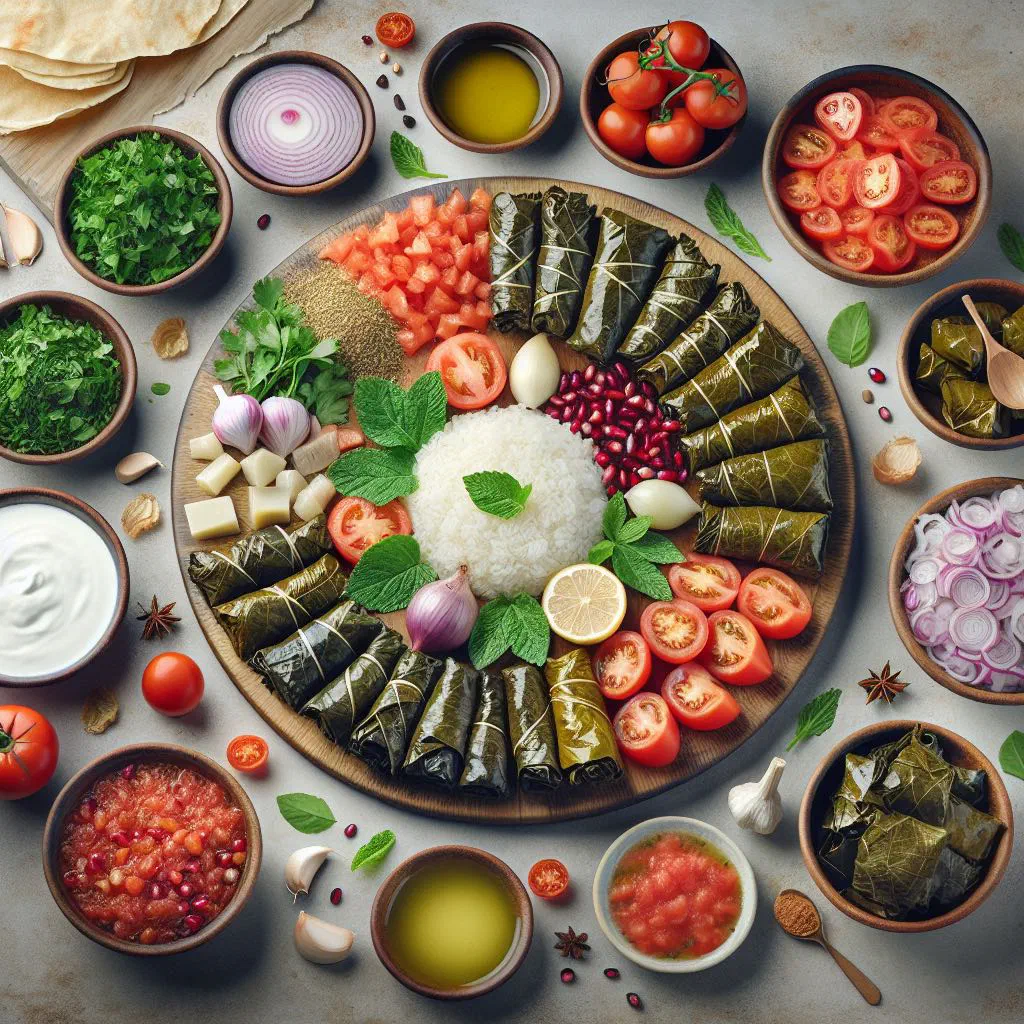
Thoughtful presentation can greatly enhance the enjoyment of Warak Enab. Serve the stuffed vine leaves on a large, attractive platter and garnish them with fresh herbs or lemon slices. Small bowls of dips, such as yoghurt or tahini, can be offered alongside to vary the flavours, a spoonful of creamy Hummus never goes amiss either. A nicely laid table with matching napkins and crockery helps create a festive atmosphere.
A bit of history
The roots of Warak Enab reach back to antiquity, when stuffed vine leaves were prized across many cultures of the Middle East. The dish is popular not only in Syrian cooking but throughout the wider region. Every family has its own recipes and traditions, passed down from generation to generation. Making Warak Enab is often a communal affair, with family members coming together to prepare, and then enjoy, the dish.
More recipe ideas
- Tabbouleh — a refreshing salad of parsley, bulgur and tomatoes.
- Fattoush — a mixed salad with crispy flatbread and plenty of vegetables.
- Kibbeh — a hearty blend of lamb, bulgur and spices, made in many variations.
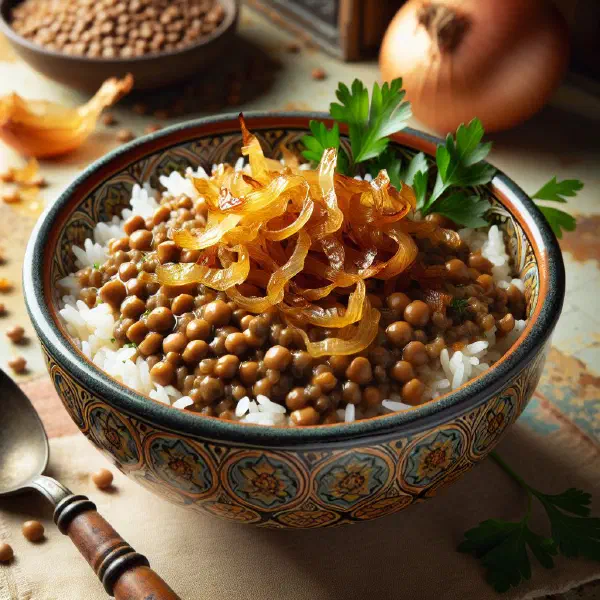
- Mujadara — a simple, wholesome dish of lentils and rice topped with caramelised onions.
Summary: Warak Enab
Warak Enab is a wonderful example of Syria’s delicious and diverse cooking. It is sure to go down well. The preparation takes a little time and effort, but every bite rewards you, a feast for the senses from the heart of the Middle East.