National Dish Syria: Yalanji (Recipe)
In this article
Discover Yalanji, Syria’s beloved stuffed vine leaves filled with rice, fresh herbs and warming spices. Fragrant, zesty and entirely plant-based, these delicate little rolls capture centuries of Syrian tradition in every bite. They bring the aromatic charm of the Levant straight to your table.
About Yalanji
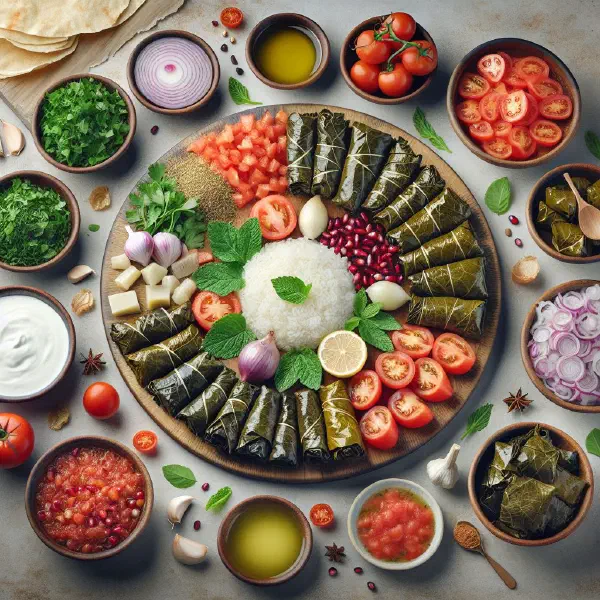
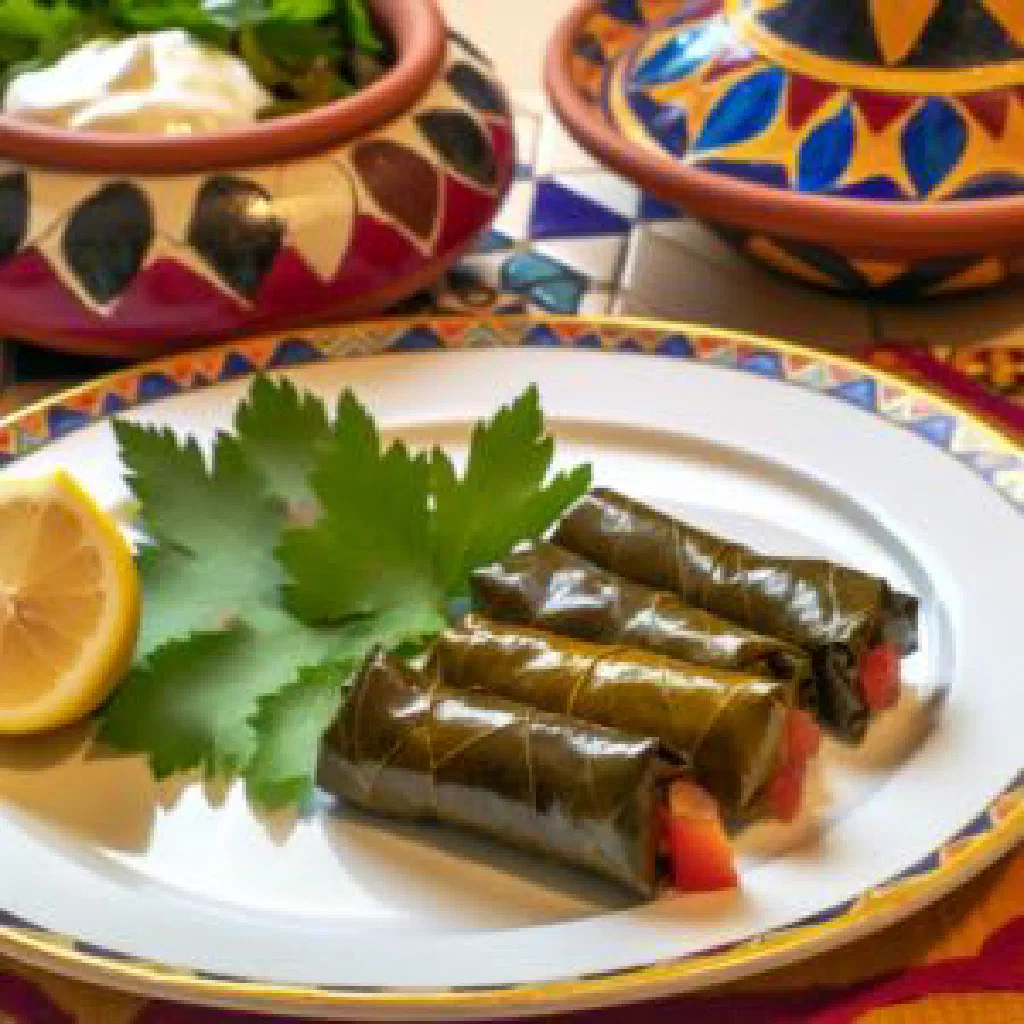
Yalanji is a traditional Syrian dish, best known for its vegetarian filling. The combination of fresh rice, a medley of herbs and carefully chosen spices makes it very good. Skilfully wrapped in tender vine leaves, yalanji is often served as a starter or as a light main course. Its aromatic depth and wholesome preparation have made it a firm favourite with many, much like its close cousin Warak Enab, another jewel of the Levantine table.
Ingredients (serves 1–2)
- 200 g rice
- 200 g vine leaves (preserved in brine)
- 1 large onion, diced
- 2 tomatoes, diced
- 1 bunch of parsley, finely chopped
- 1 bunch of mint, finely chopped
- 2 tablespoons olive oil
- 1 teaspoon lemon juice
- Salt and pepper to taste
Shopping for the ingredients
When shopping for yalanji, it is important to pay attention to the quality of the vine leaves. They should be fresh and supple to guarantee the best flavour. The rice should ideally be parboiled, as it holds its shape during cooking and keeps the filling nicely together. Be sure to choose fresh herbs too, as they enrich the dish with their aroma.
Preparing the dish
Preparation is a key step in getting yalanji just right. First, wash the rice thoroughly and leave it to soak for around 20 minutes. This removes excess starch and ensures the rice cooks evenly. While the rice soaks, you can prepare the herbs and vegetables so that everything is ready for filling the vine leaves.
Step-by-step instructions
- Drain the soaked rice and fry it in a pan with a little olive oil.
- Add the diced onion and sauté until translucent.
- Add the diced tomatoes, parsley, mint, lemon juice, salt and pepper, and mix everything together well.
- Lay a vine leaf flat on the work surface, place a tablespoon of the filling on top, fold in the sides and roll the leaf up.
- Fill all the vine leaves in this way and layer them in a pot.
- Pour a little water and olive oil over the stuffed vine leaves and simmer over low heat for around 40 minutes.
Gluten-free / lactose-free version
Yalanji is naturally gluten-free and lactose-free, as it contains no animal products or gluten-based ingredients. You can be confident it is suitable for anyone with a gluten intolerance or lactose intolerance. Do check, however, that all your ingredients, particularly any vegetable stock or other processed items, are certified gluten-free.
Tips for vegans and vegetarians
Since yalanji is already vegan and vegetarian, there is plenty of scope to adapt it further. You could add extra Mediterranean vegetables such as peppers or aubergines to vary the flavour. The choice of herbs can also be changed creatively to weave different aromas into the dish. Be adventurous and find your own favourite combination, perhaps served alongside a creamy Hummus.
More tips and tricks
When making yalanji, it helps to blanch the vine leaves briefly in hot water so they become softer and easier to roll. This extra step makes filling far simpler and keeps the leaves from tearing during cooking. When plating up, serve the yalanji with a squeeze of lemon juice. It really brings the flavours to life. Pair the dish with yoghurt or a crisp salad on the side for a thoroughly satisfying meal.
Adapting the recipe to your taste
The yalanji recipe is highly adaptable, depending on personal preference or what you have to hand. You could, for instance, use different grains such as quinoa or bulgur to give the dish a new texture. The filling can also be refined with the addition of nuts or dried fruit, lending it a sweeter note. Play with spices such as cinnamon or cumin to give the dish a unique, warming character.
Ingredient substitutions
For those with particular dietary requirements, there are plenty of alternatives to the traditional ingredients. Instead of white rice, which is commonly used, wholegrain rice works well and adds extra fibre. If you would rather avoid tomatoes, puréed courgette makes a good substitute and gives the dish a lighter consistency. There is equal flexibility with the spices, offering many ways to adjust and vary the flavours.
Drink pairing ideas
A range of drinks pairs beautifully with yalanji, underlining its Mediterranean flair. A classic white wine such as a Sauvignon Blanc or a light rosé is an excellent companion to the dish’s aromas. For alcohol-free alternatives, mint tea or a refreshing glass of lemon water cleanses the palate nicely. Experiment with different combinations to find the perfect drink for your yalanji.
Serving and presentation ideas
Thoughtful presentation makes yalanji even more enjoyable. Serve the stuffed vine leaves on an attractive platter, garnished with fresh herbs or a dollop of yoghurt. Colourful touches such as peppers or pomegranate seeds also work well as garnishes, lifting both the look and the taste. Arrange the portions generously and stylishly to create a festive atmosphere, a spread that sits perfectly next to a fresh Fattoush.
A bit of history
Yalanji has a long tradition in Syrian cuisine and is often served as part of celebratory feasts. Its preparation traces back to various cultures of the Mediterranean, with each region developing its own variations. Originally conceived as a starter, stuffed vine leaves found their way into countless hearts and are cherished in many households today. The combination of fresh ingredients and the artful rolling technique make it a culinary highlight that has pleased generations.
More recipe ideas
- Stuffed peppers with rice and herbs
- Tabbouleh, a refreshing parsley salad
- Falafel, deep-fried chickpea fritters
- Kousa Mahshi, stuffed courgettes
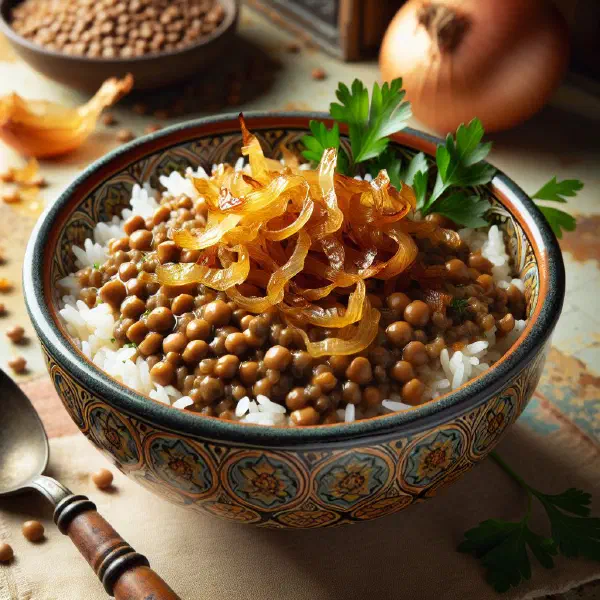
- Mujadara, a comforting lentil and rice dish
Summary: Yalanji
Yalanji is a flavoursome and wholesome dish that perfectly reflects the aromas of Syrian cooking. The combination of rice, herbs and spices, wrapped in tender vine leaves, delivers an unmistakable taste experience. Whether as a starter or a light main course, yalanji is a tour to the Mediterranean. Let this recipe inspire you and enjoy a piece of Levantine tradition on your plate.