National Dish Syria: Zaatar Croissant (Recipe)

In this article
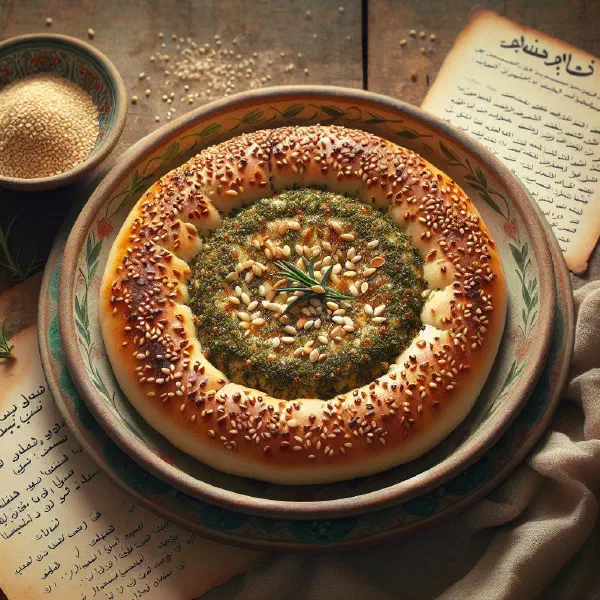
Discover the Zaatar Croissant, a good meeting of two food worlds. Buttery, flaky French pastry meets the fragrant Middle Eastern spice blend of thyme, sesame and sumac, a match that is savoury, aromatic and utterly moreish. Perfect for breakfast or as a snack, this recipe brings the warm, herby flavours of the Levant straight to your kitchen. Every bite is a little journey through the flavours of the Orient.
About Zaatar Croissant
The Zaatar Croissant is an exciting combination of two much-loved food cultures: the classic French croissant and the aromatic spices of the Middle East. The use of zaatar, a blend of thyme, sesame and sumac, gives this pastry a unique flavour that is both savoury and wonderfully fragrant. Ideal for breakfast or as a snack, this recipe is perfect for anyone seeking new culinary adventures. Imagine setting off on a little journey of flavour with every single bite.
Ingredients (serves 1–2)
- 200 g flour
- 100 g butter (cold)
- 1 tsp salt
- 1 tsp zaatar
- 100 ml water (ice-cold)
- 1 egg (for glazing)
Shopping for the ingredients
To make the Zaatar Croissant you will need a few special ingredients, most of which are available in larger supermarkets. Look for zaatar in a well-stocked spice aisle, or buy it from a Middle Eastern grocery for the best quality. Choosing fresh ingredients, particularly the butter, is crucial to the flavour of the croissant. If you have the option, use good-quality flour to achieve a better dough structure.
Preparing the dish
Before you start, it is important to lay out all the ingredients and prepare your work surface. Chill the butter thoroughly for the best results, as cold butter is what gives the croissant its flakiness. Make sure you have all the equipment you need to hand, such as a rolling pin and baking trays. A well-organised workspace makes the whole process easier and ensures everything runs smoothly.
Step-by-step instructions
- Combine the flour and salt in a bowl and add the cold butter in small pieces.
- Work the butter into the flour with your fingertips or a fork until the mixture is crumbly.
- Gradually add the ice-cold water and knead into a smooth dough. Rest the dough in the fridge for 30 minutes.
- Roll the dough out on a floured surface and sprinkle the zaatar mixture evenly over it.
- Fold the dough over on itself several times and roll out again to build up layers.
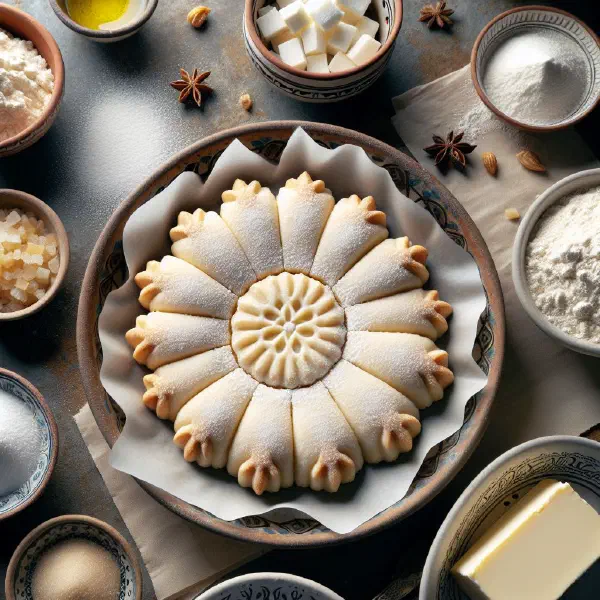
- Cut into triangles, roll them up and place on a baking tray.
- Brush with a beaten egg and bake in a preheated oven at 200°C for around 20 minutes until golden brown.
Gluten-free / lactose-free version
For a gluten-free version of the Zaatar Croissant, use gluten-free flour or one of the special baking blends available in the shops. Make sure all the other ingredients are gluten-free too. For a lactose-free variant, replace the butter with a plant-based alternative or margarine. These adjustments make the recipe wonderfully flexible without sacrificing any of its delicious flavour.
Tips for vegans and vegetarians
For a vegan version of the Zaatar Croissant, you can replace the butter with coconut oil or vegan margarine. Instead of the egg glaze, use a plant-based mixture of water and ground linseed or chia seeds to strengthen the dough. It is important to find the right balance of plant-based ingredients so the dough rises well and keeps its characteristic texture. Experiment with different plant milks to find just the right flavour.
More tips and tricks
If you want to get the Zaatar Croissant just right, pay close attention to the temperature of the dough and the ingredients. Keep every component as cool as possible to achieve the best possible flakiness. If making the dough from scratch feels daunting, try shop-bought puff pastry to save time. Experimenting with different fillings such as feta or spinach can also produce exciting variations, much like the topped flatbreads of Manakish.
Adapting the recipe to your taste
The Zaatar Croissant is extremely adaptable, so you can shape it entirely around your personal preferences. Add other spices such as paprika or garlic powder to intensify the flavour. The filling can be varied too. Try different cheeses, perhaps crumbled Shanklish, or even roasted vegetables.
Ingredient substitutions
If you cannot find products such as zaatar, you can make your own spice blend from dried thyme, sesame seeds and a touch of lemon. For a different take, the butter can also be replaced with olive oil for a lighter dough. If you love the texture of croissants but want to move away from the traditional ingredients, try almond or oat flour. These alternatives offer interesting textures and flavours.
Drink pairing ideas
A whole range of drinks pairs beautifully with a delicious Zaatar Croissant. A freshly brewed mint tea complements the pastry’s aromas wonderfully. If you prefer something bolder, try Arabic coffee, with its fine, spiced note. For a refreshing breakfast, a glass of freshly squeezed orange juice is an excellent choice.
Serving and presentation ideas
The presentation of your Zaatar Croissant can make a real difference when serving. Present the pastry warm on a rustic wooden board to create an inviting look. Add a few fresh herbs or pieces of fruit alongside the croissant to lift the dish visually. A small bowl of Hummus for dipping, a sprinkling of extra zaatar or a drizzle of olive oil also makes for a mouth-watering finishing touch.
A bit of history
The use of zaatar has its origins in the Middle East, where the herb blend has been treasured across many cultures for centuries. It is served with bread and used as a seasoning in countless dishes of Syrian cuisine. Croissants, on the other hand, come from the French baking tradition and have grown into a beloved speciality the world over. Bringing these two flavours together in our recipe shows just how varied and creative food culture can be.
More recipe ideas
Summary: Zaatar Croissant
The Zaatar Croissant offers a unique and delicious combination of traditional French baking and Arabic aromas. With its fragrant spice filling and the flakiness of the croissant, it makes a perfect snack or a fine breakfast. Simple adjustments let you shape the recipe entirely around your own preferences.