National Dish Taiwan: Ba Wan (Recipe)
In this article
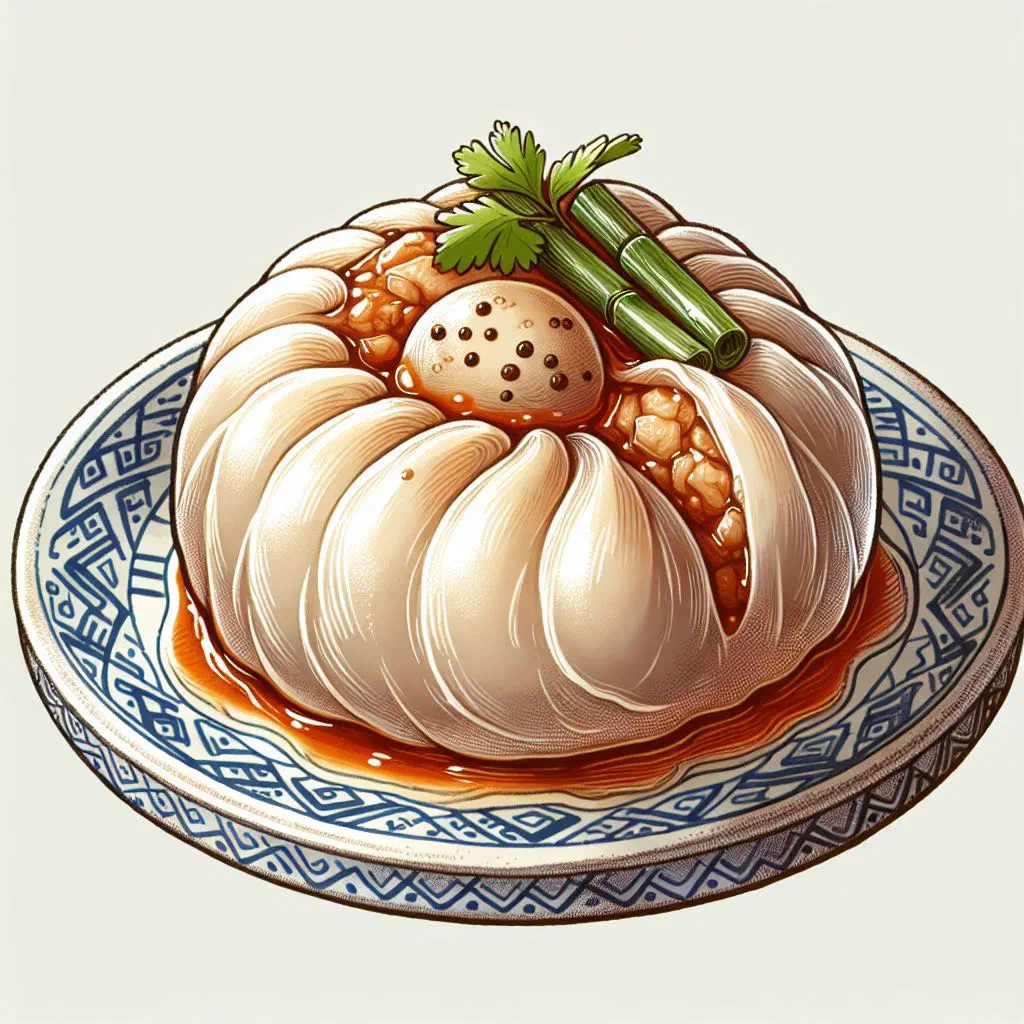
Meet Ba Wan, one of Taiwan’s most beloved street-food treasures. These tender, translucent meatballs wrap a smooth rice-flour casing around a savoury filling of juicy meat and vegetables. Soft on the outside and richly flavoured within, they strike a wonderful balance between texture and taste. Ba wan brings the bustle of a Taiwanese night market straight to your own kitchen.
About Ba Wan
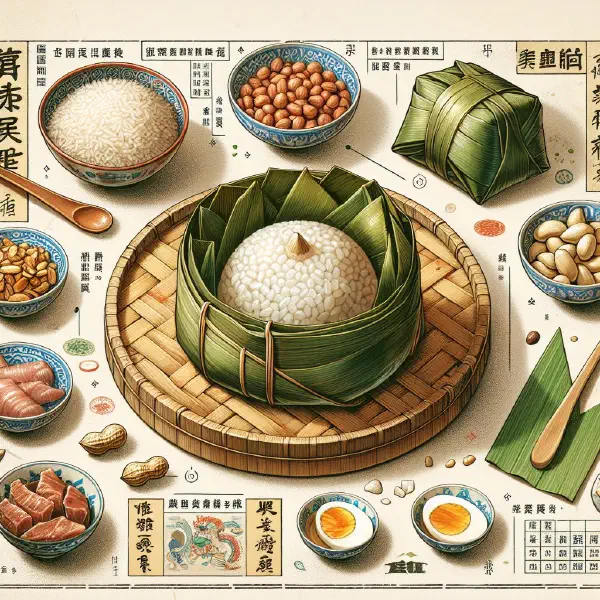
Ba Wan are traditional Taiwanese meatballs made from a smooth, springy rice paste. These tender, savoury parcels offer the perfect combination of flavour and texture, and they are enjoyed both as a popular snack and as a main course. The filling brings together succulent pork, fresh vegetables and a range of aromatic spices, all encased in a glossy, translucent skin that is the hallmark of this much-loved dish. Every bite reflects the care and craft of Taiwan’s celebrated street-food tradition.
Ingredients (serves 1–2)
- 150 g rice flour
- 100 g pork
- 50 g vegetables (such as carrots and mushrooms)
- 1 tablespoon soy sauce
- 1 teaspoon sesame oil
- 1 teaspoon sugar
- Water (as needed)
- Salt and pepper
Shopping for the ingredients
To make an authentic ba wan, it is important to choose the right ingredients. Many of the items you need are available in Asian grocery shops. When shopping, pay attention to the quality of the pork and the vegetables, as high-quality produce has a real impact on the flavour of the meatballs. Fresh ingredients are essential for the tender texture and the deep, savoury taste that define a good ba wan.
Preparing the dish
Preparation takes a little time but is key to a successful result. Start by washing the vegetables thoroughly and cutting them into small pieces. The meat should be finely chopped or minced to give an even, well-bound filling. Make sure all your ingredients are ready before you begin, so the whole process comes together smoothly and at a relaxed pace.
Step-by-step instructions
- In a bowl, mix the rice flour with enough water to form a smooth paste.
- Fry the pork in a pan and season it with soy sauce, sesame oil, sugar, salt and pepper.
- Add the prepared vegetables to the meat mixture and combine well.
- Take a piece of rice paste in your hand, add the filling and shape it into a ball.
- Steam the meatballs for about 15 minutes until cooked through.
Gluten-free / lactose-free version
For a gluten-free version you can use cornflour in place of rice flour, taking care that all the other ingredients are gluten-free too. A lactose-free option is easy to achieve, as most of the traditional ingredients contain no lactose at all. It is always worth checking the labels on shop-bought products to make sure they meet your dietary needs.
Tips for vegans and vegetarians
Vegan or vegetarian ba wan are simple to prepare by swapping the meat for a plant-based protein such as tofu or mushrooms. Be sure to add extra spices and aromatics to deepen the flavour. Vegetables like spinach or courgette also make excellent fillings. Experiment with different fillings to suit your own preferences and discover new flavour combinations.
More tips and tricks
To create the very best ba wan, a few simple pointers go a long way. Use fresh, high-quality ingredients to bring out the fullest flavour. It is also important not to press the balls too firmly, so they hold their shape during steaming and stay beautifully tender. Think carefully about which spices you add, as these can enrich the taste considerably.
Adapting the recipe to your taste
The ba wan recipe is easy to tailor to personal preference. Like it hotter? Add chilli or a spicy sauce. For a sweeter version you can use a little more sugar or fold in some caramelised vegetables. Experiment with different types of vegetable in the filling to uncover a whole range of flavours, much like the endless variety you find across Taiwanese cuisine.
Ingredient substitutions
If you cannot find a particular ingredient, there is often a good alternative. Soy sauce can be replaced with coconut aminos, while sesame oil can be swapped for olive oil. If you do not have rice flour to hand, another gluten-free flour can be used to make the paste. Just keep in mind how these changes affect the flavour and texture, in the same way you might tweak the batter for Deep Fried Taro Balls.
Drink pairing ideas
A number of drinks pair wonderfully with ba wan. An iced jasmine tea brings out the flavour of the meatballs beautifully. Alternatively, a light Asian beer complements the savoury aromas nicely. For an alcohol-free option, a freshly pressed fruit juice makes a refreshing choice alongside the dish.
Serving and presentation ideas
Ba wan look their best served on an attractive plate and garnished with fresh herbs. Add a few small bowls of different dips, such as sweet soy sauce or a spicy chilli sauce. A lovingly arranged plate raises the whole eating experience and shows the care that has gone into the cooking. Serving smaller, bite-sized portions also makes for an appealing presentation.
A bit of history
Ba wan have a long history in Taiwan and have been treasured in the island’s regional cooking for centuries. Originally created as a market snack for labourers, they are now a firm part of Taiwanese culture. The preparation and the fillings can vary from region to region, giving rise to a rich diversity of flavours. These delicious meatballs are a symbol of community and tradition, sharing the night-market spirit of dishes like Braised Pork Rice.
More recipe ideas
Summary: Ba Wan
Ba wan are an indispensable part of Taiwanese cuisine, winning people over with their unique texture and deep, savoury flavour. Their versatility appeals to every food lover. With the right ingredients and a little creativity, anyone can prepare these delicious meatballs at home. Experience the varied flavours of Taiwan and let yourself be charmed by the tradition behind this hearty delicacy.