National Dish Taiwan: Douhua (Recipe)
In this article
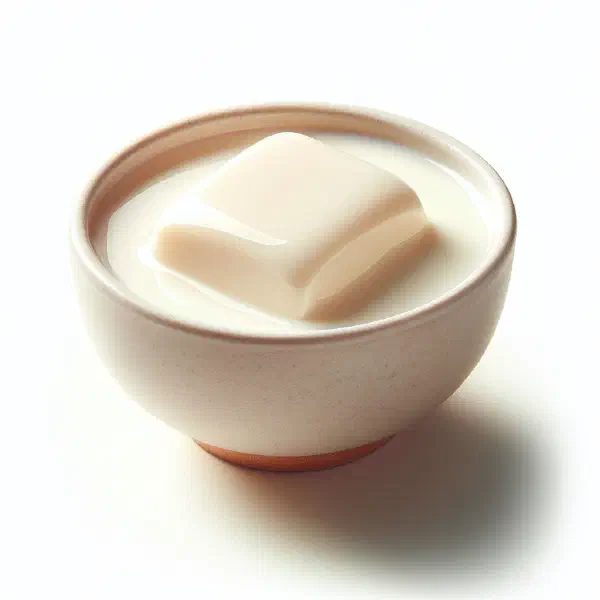
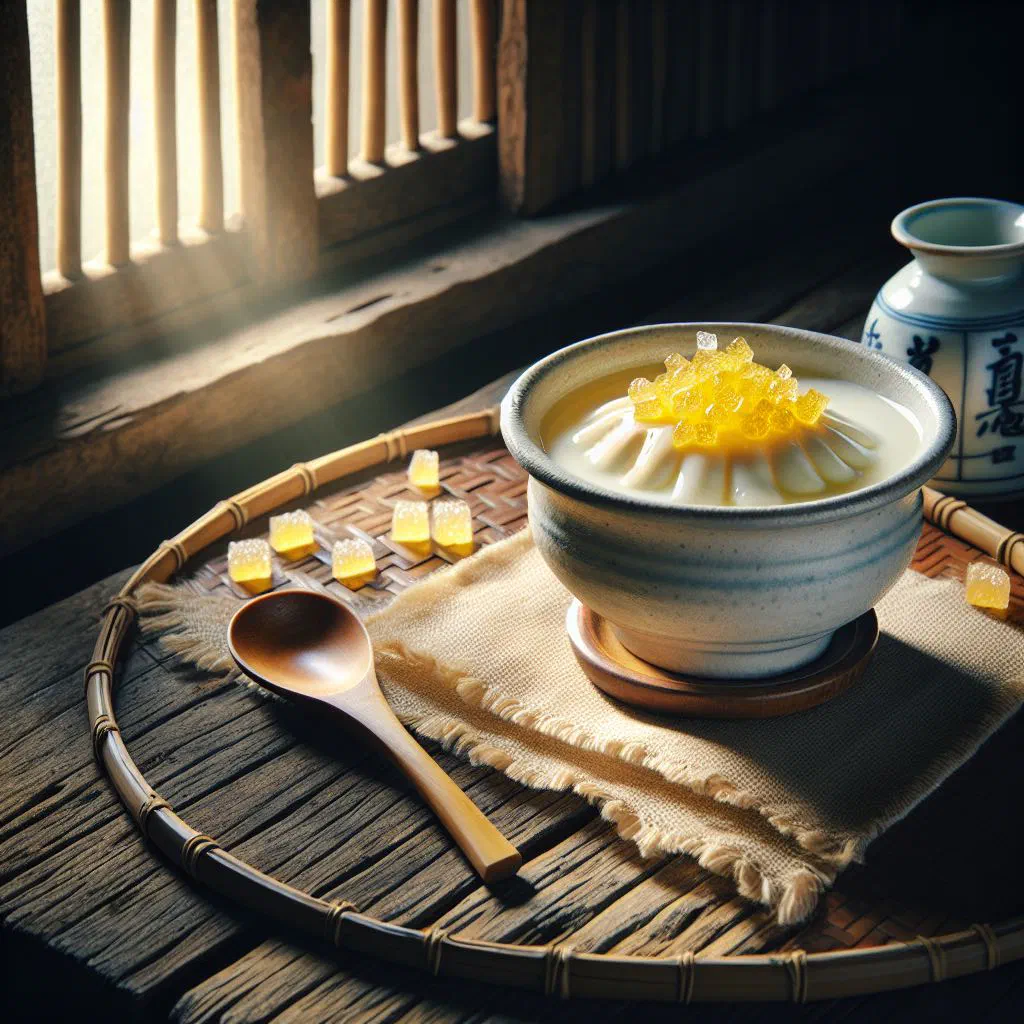
Discover Douhua, one of Taiwan’s most beloved sweet treats. This silky-smooth soybean pudding is soft, gently set and endlessly adaptable, ready to be served warm on a chilly evening or refreshingly cold in the height of summer. Crowned with syrup, fresh fruit or chewy toppings, it delivers a delicate flavour that has made it a fixture of night markets and family kitchens alike. Bring a little taste of Taiwan to your own table with this comforting classic.
About Douhua
Among Taiwan’s traditional desserts, Douhua holds a special place. During preparation, soybeans are worked into a fine paste that sets into a soft, pudding-like pleasure. Douhua is a hit at any time of year. The interplay between its silky texture and the many-layered flavour of its toppings is what makes it such a memorable dessert, a shining example of Taiwanese cuisine and a close cousin of other soft sweets like Almond Jelly.
Ingredients (serves 1–2)
- 100 g soybeans
- 1 litre water
- 60 g sugar (adjust to taste)
- 50 g tapioca starch (for the consistency)
- 1 pinch of salt
- Optional: syrup or fresh fruit, to garnish
Shopping for the ingredients
The ingredients for douhua can be found in most Asian supermarkets or at local markets. When buying the soybeans, look for beans that are fresh and of the best possible quality. Tapioca starch is also easy to source and gives the dessert its all-important consistency. For the sweetness you can reach for ordinary sugar or an alternative sweetener, depending on your own taste.
Preparing the dish
Before you begin making douhua, it is important to soak the soybeans in water overnight. This helps to soften the beans and makes them far easier to blend. The next day, rinse the beans thoroughly, then purée them in a blender with fresh water. The resulting soybean purée is then strained through a cloth or a fine sieve to separate the liquid from the pulp, which is no longer needed.
Step-by-step instructions
- Drain the soaked soybeans and rinse them well.
- Blend the beans with 1 litre of water until you have a smooth, homogeneous mixture.
- Press the mixture through a fine cloth or sieve to extract the soy milk.
- Pour the soy milk into a pan and heat it over a medium heat.
- Add the sugar, a pinch of salt and the tapioca starch, and stir well.
- Stir continuously until the mixture comes to the boil and reaches the desired pudding-like consistency.
- Spoon the pudding into bowls and either serve warm or chill in the fridge.
Gluten-free / lactose-free version
Douhua is naturally gluten-free and lactose-free, since its main components are simply soybeans and water. That makes it an excellent choice for anyone with food intolerances. It is worth making sure, though, that any additions such as sugar or syrup are also gluten-free. Many traditional sweeteners should come straight from plant-based sources to keep the recipe pure.
Tips for vegans and vegetarians
Douhua is an ideal dessert for vegans and vegetarians, as it contains no animal products at all. You can adapt the recipe further by using vegan syrups or sweet fruit toppings. Swapping the sugar for agave nectar or another plant-based sweetener is another lovely way to vary the sweetness.
More tips and tricks
To create the perfect douhua, patience is key: stir the mixture continuously as it heats to stop the pudding catching and burning on the bottom of the pan. When straining the soy milk, make sure the cloth is wrung out well so you don’t waste any of the precious liquid. Timing during cooking is crucial for reaching the ideal consistency, take care not to cook the pudding for too long.
Adapting the recipe to your taste
The recipe for douhua is easy to adjust to suit personal preferences. Those with a sweet tooth can increase the amount of sugar, while others may prefer it with far less. There are no limits when it comes to the toppings either: from fresh fruit and jellies to toasted nuts and chocolate syrup, almost anything goes. The sheer versatility of this dessert leaves plenty of room for creative combinations.
Ingredient substitutions
If you don’t have tapioca starch to hand, cornflour can be used as a substitute, though it may result in a slightly different texture. For those who love natural sweetness, honey or date syrup make wonderful options and can enrich the flavour of the douhua with an extra touch of nuttiness. The wide variety of possible toppings opens up countless alternatives too, much like the chewy pearls that top a Bubble Tea, all of which enhance the experience.
Drink pairing ideas
To accompany douhua, a light drink such as green tea or jasmine tea works beautifully, as their mild flavours complement one another. Freshly pressed juices, such as orange or apple juice, can also provide a refreshing contrast. If you fancy something a little bolder, a Taiwanese milk tea makes a versatile match for the dessert.
Serving and presentation ideas
To serve douhua attractively, you can garnish the bowls with fresh fruit or edible flowers. Playing with colours and textures creates real visual appeal on the table. A few drops of syrup drizzled over the dessert will heighten its shine and freshness. An inviting presentation turns this dessert into a memorable experience, one that is sure to impress your guests, just as a bowl of Red Bean Soup might.
A bit of history
Douhua has its origins in Chinese cuisine, where it appears in many different forms and variations. Over the years, however, it has grown in Taiwan into something of a cultural symbol that speaks to the island’s culinary identity. It is frequently sold at street markets and in restaurants, and is a much-loved dessert enjoyed on the spur of the moment. The popularity of douhua is reflected in the countless variations and adaptations that have emerged over time.
More recipe ideas
Summary: Douhua
Douhua is a simple yet airily light dessert that appeals to with its many possibilities for adaptation. It is truly delicious and a wonderful introduction to Taiwanese cuisine. The preparation is straightforward and can be modified at will to match your own taste. Bring a piece of Taiwan into your kitchen and enjoy this glorious dessert.