National Dish Taiwan: Lotus Seed Soup (Recipe)

In this article
Discover Lotus Seed Soup, a gently sweet and soothing bowl that has long been a favourite across Taiwan. Tender lotus seeds simmer slowly until soft, then meet the mellow richness of coconut and a whisper of vanilla. Light yet nourishing, this delicate dish works beautifully as a calming dessert or as a refreshing treat on a warm day. It captures the quiet, wholesome spirit of the Taiwanese kitchen in every spoonful.
About Lotus Seed Soup
The wholesome qualities of lotus seeds have been celebrated for centuries. Not only are they nourishing, they are also prized as an ingredient with a wonderfully calming effect on the body. In Taiwan, Lotus Seed Soup is a much-loved dish served both in family homes and in restaurants. There are countless variations, yet the core ingredients generally stay the same, ensuring a harmonious and balanced tasting experience every time.
Ingredients (serves 1–2)
- 100 g dried lotus seeds
- 1 litre water
- 50 g sugar (to taste)
- 1 small tin of fresh coconut, or 100 ml coconut milk
- 1 teaspoon vanilla extract
- A pinch of salt
Shopping for the ingredients
When gathering the ingredients for Lotus Seed Soup, your first stop should be an Asian grocery to look for dried lotus seeds. These usually come dried and need to be soaked before use. Sugar and coconut products are generally easy to find in any supermarket. When buying coconut milk, choose a good-quality brand to make sure your soup has the best possible flavour.
Preparing the dish
Begin by preparing the lotus seeds, soaking them in water for a few hours or overnight. This helps soften the seeds and cuts their cooking time considerably. Once soaked, rinse them thoroughly to remove any impurities. The next step is to have the remaining ingredients ready to hand so the cooking process runs smoothly from start to finish.
Step-by-step instructions
- Place the soaked lotus seeds in a pan with 1 litre of water.
- Bring everything to the boil, then reduce the heat to medium.
- Add the sugar, salt and vanilla extract, stirring well to combine.
- After around 30–40 minutes the lotus seeds should be soft and tender.
- Stir in the coconut or coconut milk and let the soup simmer for a few more minutes.
- Serve the soup warm or chilled, according to preference.
Gluten-free / lactose-free version
Lotus Seed Soup is naturally gluten-free and can easily be made lactose-free. Simply use coconut milk in place of ordinary dairy to ensure the dish suits anyone who is lactose intolerant. This adaptable nature makes the recipe accessible for a wide range of diets, so more people can enjoy the delicious flavours of this soothing soup. It is a lighter, kinder alternative to a rich Red Bean Soup.
Tips for vegans and vegetarians
Vegans and vegetarians benefit from the fact that Lotus Seed Soup contains no animal products at all. Take care to choose plant-based options when adding extras such as nut milks or sweeteners. For an added protein boost, you might stir in a spoonful of hemp seeds or chia seeds. These little touches give the soup more flavour and a greater nutritional value.
More tips and tricks
To improve both the flavour and texture of your Lotus Seed Soup, it is important to soak the lotus seeds for long enough. The longer they soak, the faster they cook. Experiment with the amount of sugar too, adjusting the sweetness to your personal taste. For an extra layer of aroma, add fresh herbs or spices to give your soup a distinctive character all of its own.
Adapting the recipe to your taste
The recipe for Lotus Seed Soup is wonderfully versatile and easy to tailor to your own preferences. Add dried fruit or nuts, for instance, to create a pleasing crunch. You can also use different sweeteners to vary the flavour, whether honey, agave syrup or stevia. This adaptability makes the dish an excellent choice for every palate, much like a comforting Mung Bean Soup.
Ingredient substitutions
If you cannot find lotus seeds, other seeds and nuts such as almonds or walnuts also work well for a similar soup. Instead of coconut milk, you might use a few spoonfuls of almond milk or oat milk to achieve a creamy consistency. The sugar, too, can be swapped for alternative sweeteners with fewer calories. This opens the door to endless variations that are well worth trying.
Drink pairing ideas
To round out your meal of Lotus Seed Soup, you can offer a variety of drinks. A lightly sweetened jasmine tea harmonises beautifully with the soup’s delicate flavours and makes for a refreshing combination. Alternatively, serve a green tea, which is not only healthy but pairs perfectly with Asian dishes. A cup of Almond Milk is another gentle option that complements the soup’s mellow sweetness.
Serving and presentation ideas
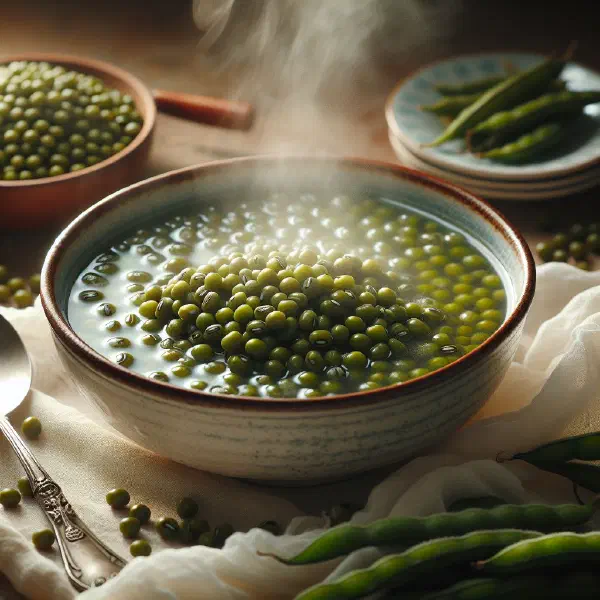
The presentation of Lotus Seed Soup can have a real impact on the meal as a whole. Serve the soup in attractive, deep bowls and garnish it with fresh herbs or a sprinkle of toasted coconut flakes. A decorative spoon or a pretty saucer can also add to the overall look.
A bit of history
Lotus Seed Soup has its roots in traditional Taiwanese cooking, which is known for its use of fresh, natural ingredients and its mild, gentle flavours. Lotus seeds have been cherished for centuries, for their nourishment and for their cultural significance in Asian medicine. Many believe that eating lotus seeds helps to balance the body and contributes to a greater sense of wellbeing. This dish, then, is a piece of history, a shining example of Taiwanese cuisine.
More recipe ideas
Summary: Lotus Seed Soup
Taiwanese Lotus Seed Soup is a simple yet delicious dish that brings together tradition and healthy eating. With its versatile flavours and delicate sweetness, it offers the perfect way to get to know the wonderful Taiwanese kitchen. This soup is a genuine addition to any dining table. Give this recipe a try and let yourself be charmed by its harmonious blend of flavour and wellbeing.