National Dish Taiwan: Sheng Jian Bao (Recipe)
In this article
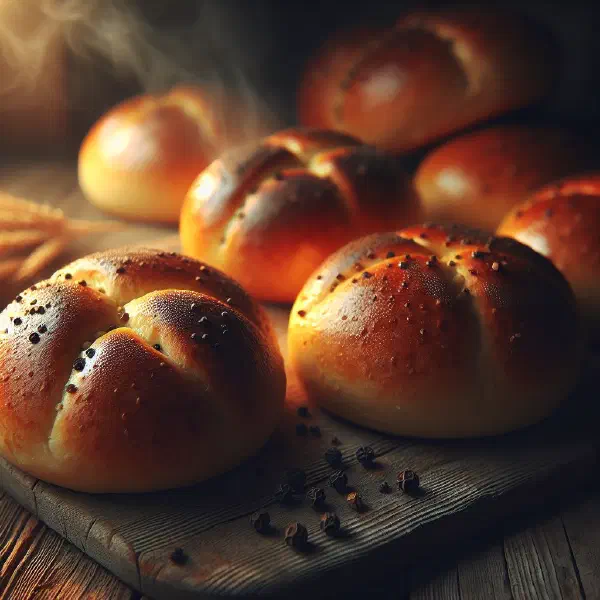
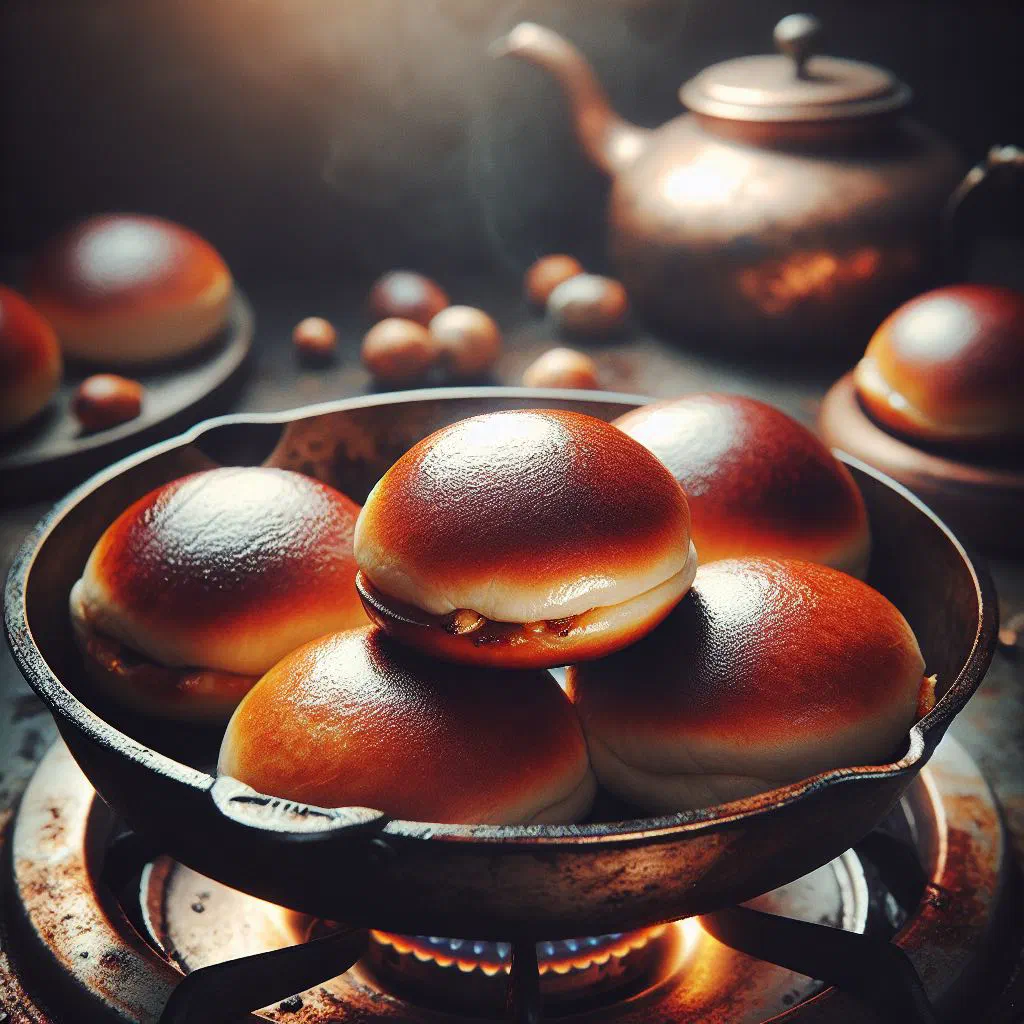
Meet Sheng Jian Bao, one of the most moreish street snacks you can bring home from Taiwan. These plump, pan-fried buns hide a juicy, savoury filling beneath a soft top and a wonderfully crisp, golden base. Steam and sizzle work together to create a texture you simply cannot resist. These little parcels are a joy to make and even better to share.
About Sheng Jian Bao
Sheng Jian Bao trace their origins to the city of Shanghai, yet they have spread right across Asia and are especially loved in Taiwan. Their tender-but-crisp texture, paired with a rich, savoury flavour, has made them a hugely popular street snack. The seasoning and the burst of steam from the filling deliver a taste experience you really should not miss. These buns are perfect for anyone keen to explore the wonderfully varied world of Taiwanese cuisine, sitting comfortably alongside classics such as the Pork Belly Bun (Gua Bao).
Ingredients (serves 1–2)
- 250 g plain wheat flour
- 150 ml warm water
- 1 tsp sugar
- 1 tsp dried yeast
- 200 g minced pork (or alternatives)
- Fresh coriander (to taste)
- 2 tsp soy sauce
- 1 tsp sesame oil
- 1 tsp fresh ginger, grated
- Salt and pepper (to taste)
- Oil, for frying
Shopping for the ingredients
To make Sheng Jian Bao, you will want fresh, good-quality ingredients. Many of the items listed are available in Asian grocery stores, where you can also track down special spices and fresh herbs. When buying the pork, look for a good-quality cut to make the most of the filling’s flavour. If you enjoy experimenting, try different meats or vegetables to discover new flavour combinations.
Preparing the dish
Before you start shaping the Sheng Jian Bao, prepare the yeast dough. Combine the wheat flour, water, sugar and yeast in a bowl and knead until the dough is smooth. Leave it to rest in a warm spot for about 30 minutes, until it has risen. In the meantime, prepare the filling by mixing the minced pork with the seasonings and fresh herbs, which give the buns their characteristic taste.
Step-by-step instructions
- Roll the dough out thinly on a floured surface and cut it into small rounds.
- Place a little of the prepared filling in the centre of each round.
- Carefully gather and pinch the edges of the dough to seal each bun.
- Heat a little oil in a pan and place the buns seam-side down.
- Fry over medium heat for a few minutes, until the bases are golden brown.
- Pour a small amount of water into the pan and cover with a lid to steam the buns.
- After roughly 5–7 minutes, the buns are ready to serve.
Gluten-free / lactose-free version
If you need to eat gluten-free or lactose-free, a few simple swaps let you enjoy Sheng Jian Bao too. Use a gluten-free flour in place of wheat flour to make the dough. For the filling, choose meats or plant-based alternatives that suit your needs and are widely available. Experiment with gluten-free recipes to reach the perfect texture and the best flavour.
Tips for vegans and vegetarians
Vegans and vegetarians need not miss out on either taste or texture with Sheng Jian Bao. Simply replace the filling with vegetables such as mushrooms, carrots and tofu for a hearty, flavour-packed version. Seasonings like soy sauce, sesame oil and fresh herbs still work beautifully to create an aromatic result. These alternatives are delicious and add to the wonderful variety of Taiwanese cooking.
More tips and tricks
For perfect Sheng Jian Bao, keep a few pointers in mind. Take care not to roll the dough too thinly, or it may tear during frying. It also helps to arrange the buns with plenty of space in the pan so they cook evenly. These buns are hugely versatile and leave plenty of room for creativity in the kitchen.
Adapting the recipe to your taste
One of the great things about making Sheng Jian Bao is how easily you can adapt them. Tailor the filling to your own taste by adding extra spices or fresh ingredients. Experiment with different mixes of meat and vegetables to uncover new and interesting flavours. Even the seasonings in the dough can be varied to refine the eating experience further.
Ingredient substitutions
If you do not have some of the less common ingredients for Sheng Jian Bao to hand, there are plenty of alternatives. Minced pork, for instance, can be swapped for minced chicken or beef if you prefer a different meat. Likewise, you can use a range of vegetables in the filling to make the dish vegan, much like the mushroom filling in Braised Tofu with Mushrooms.
Drink pairing ideas
A range of drinks pairs nicely with Sheng Jian Bao, depending on your mood. A Taiwanese milk tea such as Taro Milk Tea, or a fresh ginger lemonade, makes a perfect partner, their gentle flavours complementing the buns. A glass of beer or a light white wine can be a fine choice too. Experiment with different drinks to find the ideal match for your meal.
Serving and presentation ideas
Presentation plays an important part in serving Sheng Jian Bao. Arrange the buns on an attractive plate or in a steamer basket to convey that authentic feel. Garnish them with fresh coriander or chives to lift both the colour and the flavour. A thoughtful presentation turns any dish into a real culinary experience.
A bit of history
The story of Sheng Jian Bao is closely bound up with the culture and traditions of the region they come from. Originally sold as simple street food, they have grown over time into a firmly established dish, now served in many restaurants and food stalls. The combination of a crisp surface and a juicy filling is much prized and forms a delicious link to the culture of Taiwan. These buns are a piece of history that resonates in every bite.
More recipe ideas
- Steamed Dumplings
- Scallion Pancakes
- Taiwanese Spring Rolls (Run Bing)
- Taiwanese Fried Rice
- Braised Mushroom Rice
Summary: Sheng Jian Bao
Sheng Jian Bao are more than a delicious treat; they are an expression of Taiwanese culture and culinary creativity. With a handful of simple ingredients and a few techniques, you can make these traditional buns at home and impress your guests. They offer endless scope for adaptation and variation, so everyone can prepare them exactly to their taste. We warmly invite you to discover these flavours for yourself and fall in love with Sheng Jian Bao.