National Dish Tajikistan: Aush (Recipe)

In this article
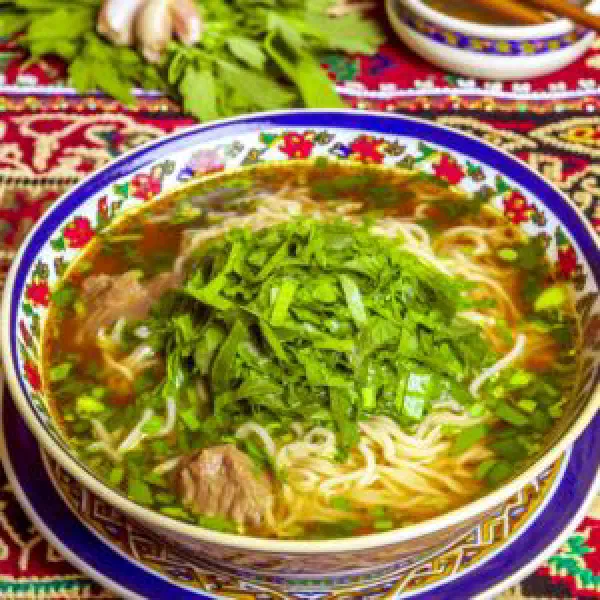
Meet Aush, the comforting noodle soup that Tajikistan calls its own. Tender noodles, sweet root vegetables and a broth warmed through with cumin and paprika come together in a bowl that tastes of home. It is a dish made for sharing, traditionally cooked side by side with family and ladled out at celebrations, and it is every bit as welcome on an ordinary weeknight. Bring a little of Central Asia into your own kitchen with this recipe.
About Aush
Aush is the traditional national dish of Tajikistan, and it wins people over with its lovely combination of tender noodles, warm spices and fresh vegetables. This soup is far more than a treat for the palate: it reflects Tajik hospitality, since it is so often served at festive occasions and family gatherings. Making it is a communal affair that draws friends and relatives together around the same pot. Let this recipe inspire you to bring a piece of Tajikistan into your own home.
Ingredients (serves 1–2)
- 100 g noodles (bean-thread noodles work well)
- 200 g vegetables (carrots, potatoes, onions)
- 1–2 cloves of garlic
- 500 ml vegetable or meat stock
- 1 teaspoon cumin
- 1 teaspoon paprika
- Fresh herbs (coriander or parsley)
- Salt and pepper to taste
Shopping for the ingredients
To make aush, pick up what you need from a well-stocked supermarket or a weekly market. Choose fresh vegetables wherever you can, as they make the biggest difference to the finished flavour. Asian and Eastern European grocers are a good bet for the speciality noodles that are typical of this dish. And do not forget the fresh herbs. They are what lift the soup from good to memorable.
Preparing the dish
Good preparation is the first step towards a successful aush. Begin by cutting the vegetables into evenly sized pieces so that everything cooks at the same rate. The garlic can be finely chopped or crushed to release as much of its flavour as possible. Have every ingredient measured out and within reach before you start cooking, and the whole process will run smoothly from beginning to end.
Step-by-step instructions
- Heat a large pan and add a little oil.
- Add the diced vegetables and the garlic and fry for a few minutes, until the vegetables have softened slightly.
- Pour in the stock and bring it to the boil.
- Add the noodles and the spices, then let everything simmer for about 10–15 minutes, until the noodles are cooked through.
- Finish the soup with freshly chopped herbs and season to taste with salt and pepper.
Gluten-free / lactose-free version
If you would like a gluten-free aush, swap the noodles for rice noodles or quinoa. These alternatives remove the gluten and bring an interesting new texture to the bowl. The recipe is naturally lactose-free, since no dairy is used at any stage, unlike the yoghurt-rich Qurutob. That makes aush a good fit for a wide range of dietary needs and allergies.
Tips for vegans and vegetarians
For a vegan version of aush, simply use a good-quality vegetable stock in place of meat stock. Check that every ingredient you reach for is plant-based so the dish stays true to a vegan diet. You can also adapt the soup with a wider range of vegetables to add both flavour and nutrition. Courgette, aubergine or peppers all make lively additions and give the bowl more colour.
More tips and tricks
There is plenty of room to be creative with aush by playing with whatever spices and herbs you have in the cupboard. Turmeric, coriander seed or even a little ginger will each give the soup an interesting new note. It is also worth adjusting the consistency to suit your own preference, simply by using more or less stock. Experiment with the quantities until you find the balance that your family or guests like best.
Adapting the recipe to your taste
One of the great strengths of aush is its versatility. You can choose and change the vegetables entirely according to what you enjoy or what is in season. If you would like more protein, chicken or tofu both work beautifully, much as the meat does in a hearty Laghman. Give your imagination free rein and try different combinations until you have created the perfect aush for your next gathering.
Ingredient substitutions
If you do not have every ingredient to hand, there are plenty of alternatives to fall back on. Sweet potatoes in place of carrots, for example, bring a gentle sweetness to the soup. For the noodles, you might try making your own, cut to the thickness you prefer, the same skill that goes into Manti dough. Swaps like these keep aush firmly traditional while giving it a modern twist.
Drink pairing ideas
Several drinks round off a bowl of aush nicely. A fresh mint tea or a fruity pomegranate juice picks up the aromatic notes of the broth beautifully. A light red wine also works, particularly if you have made a non-vegetarian version of the soup. Think about which flavours will harmonise, and you can offer your guests a genuinely well-balanced meal.
Serving and presentation ideas
Presentation plays a real part in how much aush is enjoyed. Serve the soup in deep, decorative bowls and garnish it with fresh herbs and a squeeze of lemon. A piece of warm flatbread such as Obi Non beside the bowl adds an inviting, generous touch. It is also worth playing with different textures on the table to make the whole spread more appealing to the eye.
A bit of history
Aush has deep roots in Tajik culture and has long been regarded as a symbol of hospitality. Historically it was served at special occasions and celebrations, when a large pot could feed everyone who arrived. The dish reflects both the culinary influences of the region and the affection Tajiks feel for good food shared in company, a defining trait of Tajik cuisine. By sharing aush, people strengthen social bonds and celebrate the simple pleasure of being together.
More recipe ideas
Summary: Aush
In short, aush is a delicious soup and a symbol of Tajik culture and hospitality. With its combination of noodles, vegetables and aromatic spices, it is a dish that can easily find a permanent place in any household. Aush delivers a flavour experience you will not forget. Let it inspire you, and enjoy the variety of this traditional soup in your own kitchen.