National Dish Tajikistan: Gata (Recipe)
In this article
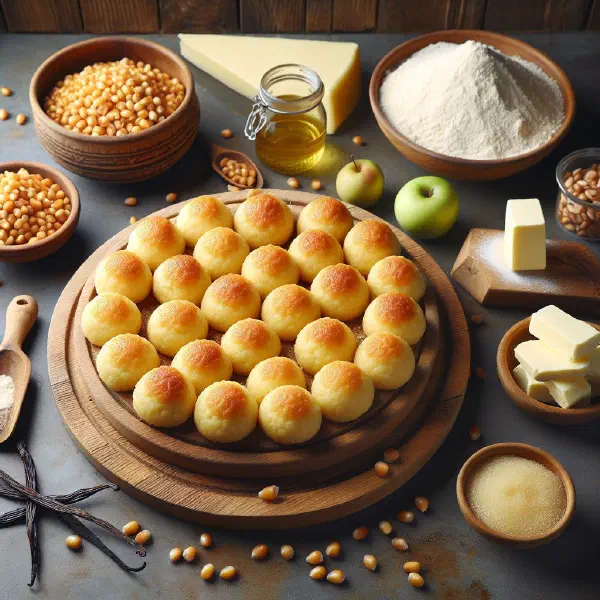
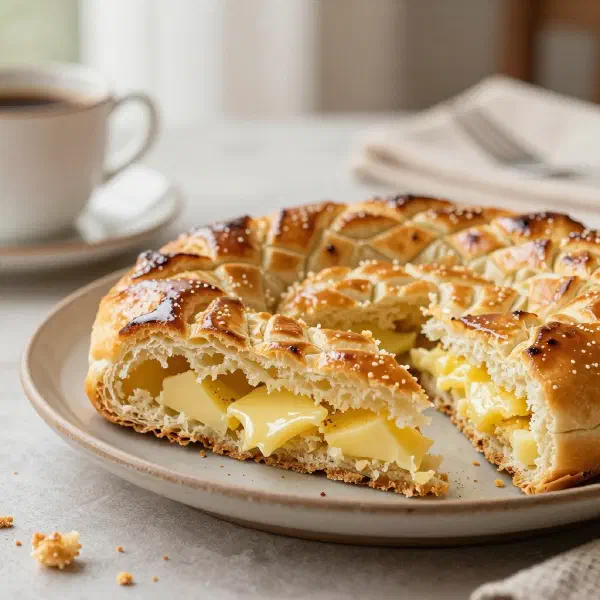
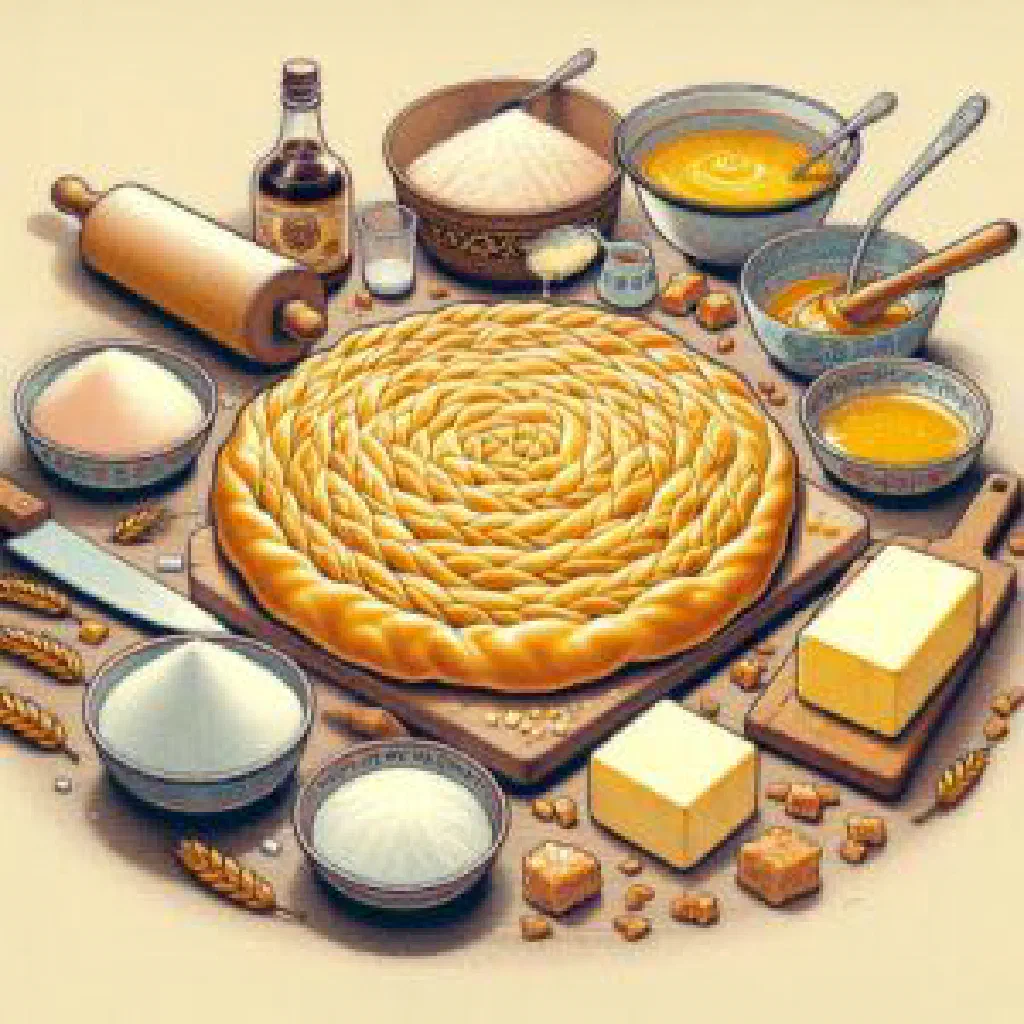
Discover Gata, the sweet layered pastry that Tajik families bake whenever there is something worth celebrating. Crisp, buttery sheets of dough wrap around a fragrant filling of ground walnuts and sugar, and the whole thing bakes to a deep golden brown that fills the kitchen with warmth. It is simple enough for a quiet afternoon with tea, yet special enough for a table full of guests, a small taste of Tajik hospitality you can bring home.
About Gata
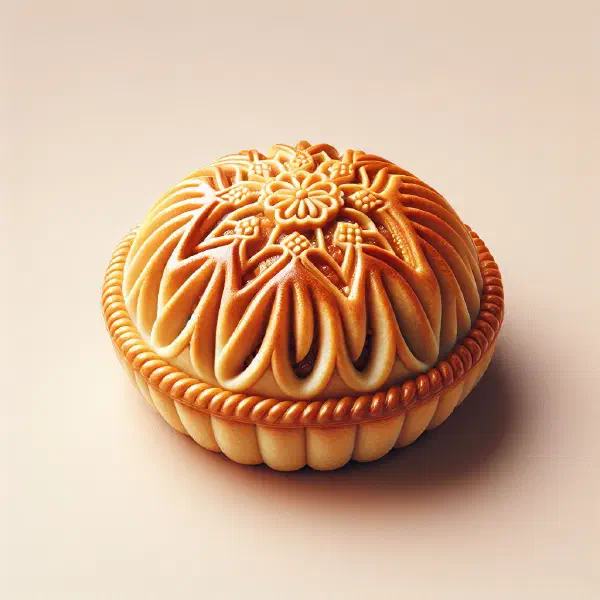
Gata is a traditional Tajik pastry known for its crisp layers and a delicate filling of nuts and sugar. It is often served at celebrations and special occasions, and it remains one of the best-loved sweets in Tajik households. Making gata is not only a matter of technique but a piece of living cultural heritage, handed down from one generation to the next. Beyond its taste, the pastry stands for the hospitality and tradition that run through the whole country.
Ingredients (serves 1–2)
- 250 g plain flour
- 100 g butter
- 100 ml water
- 50 g sugar
- 100 g ground walnuts or almonds
- 1 teaspoon baking powder
- 1 pinch of salt
Shopping for the ingredients
When shopping for gata, quality matters most with the flour and the nuts. Fresh flour gives a better dough consistency, while lightly toasted nuts lend the pastry a far more intense aroma. Most of what you need is available in an ordinary supermarket or at a local market, but Asian or specialist grocers often stock better nuts and sometimes unusual flours worth trying. Do not overlook the butter either, buy it fresh, as it carries much of the flavour in the finished bake.
Preparing the dish
Before you start on the gata, lay out all the ingredients and clear yourself a generous work surface. It helps enormously to let the butter soften at room temperature beforehand, as this makes it far easier to work into the flour. Measure everything carefully for the best possible result, baking rewards precision more than most kinds of cooking. Preheat the oven in good time as well, so the pastry bakes evenly from the moment it goes in.
Step-by-step instructions
- Combine the flour, baking powder and salt thoroughly in a bowl.
- Rub the softened butter into the flour until the mixture takes on a crumbly texture.
- Add the water and part of the sugar, then knead everything into a smooth dough.
- Leave the dough to rest for at least 30 minutes.
- Roll the dough out thinly and layer the ground nuts and remaining sugar between the sheets.
- Shape the pastry into a round or rectangle and cut it into pieces.
- Bake the gata in the preheated oven at 180°C for around 30–40 minutes, until golden brown.
Gluten-free / lactose-free version
For anyone with a gluten or lactose intolerance, the recipe adapts easily. Use a gluten-free flour blend, now widely stocked in most shops, in place of the plain flour. Instead of butter, reach for plant-based margarine or a neutral vegetable oil to make the pastry lactose-free as well. Adjust the liquid slightly if needed to keep the dough workable, gluten-free blends behave a little differently. The method stays exactly the same, and the result should be every bit as delicious.
Tips for vegans and vegetarians
Vegans can enjoy gata too, simply by swapping the animal products for plant-based alternatives. As mentioned above, butter can be replaced with plant-based margarine without any loss of richness. The sugar should also come from a certified vegan source, since some refining processes are not suitable. Wherever possible, choose organic ingredients. They bring out the best in this traditional recipe while keeping it in line with your own diet.
More tips and tricks
To make gata even better, it is worth playing with the filling. For a fruity version, fold in dried fruit or finely chopped fresh apple alongside the nuts. Different nut varieties give quite different results, so experiment until you find your favourite. One rule holds throughout: do not roll the dough too thinly, or the layers will not hold their structure and the pastry loses the flaky bite that makes it worth the effort.
Adapting the recipe to your taste
Gata takes happily to personal preference. If you would rather avoid nuts, oats make a good substitute, or you can leave the filling out entirely for a plainer, biscuit-like pastry. Prefer things sweeter? Add more sugar, or a spoonful of honey. The texture of the dough is easy to adjust as well by varying the amount of water, letting you land on exactly the crumb you like. Little by little you end up with your own version of gata.
Ingredient substitutions
When something proves hard to source, there is almost always a good alternative that leaves the pastry just as enjoyable. In place of ground nuts, sesame seeds or other small seeds work nicely and give a subtler flavour. For a sugar-free version, a sweetener such as stevia does the job. The baking powder can be swapped for bicarbonate of soda, a natural raising agent that many bakers prefer. The same spirit of improvisation carries over well to sweets such as Parvarda, be creative and see where the ingredients take you.
Drink pairing ideas
Plenty of drinks go beautifully with gata. A Tajik green tea is the classic choice and harmonises perfectly with the buttery pastry, much as it does with a glass of Shirchai. Mild herbal teas are another good match, gently supporting the sweet nutty notes rather than competing with them. For something cooler, serve a fruit kompot or a simple juice to balance the richness. Try a few of your own favourites and see which combination you like best.
Serving and presentation ideas
Presentation can make gata look every bit as appealing as it tastes. Arrange the pieces on an attractive serving board and scatter over a few whole nuts or a dusting of icing sugar. A sprig of fresh mint adds colour and a clean, fragrant note. Special crockery or a little care in the arrangement goes a long way towards drawing your guests in and setting a mood of warmth and celebration.
A bit of history
Gata has a long history and reflects the cultural richness of Tajikistan. The pastry is traditionally prepared for festivals and special occasions, and it has long stood as a symbol of hospitality. Baking it is often a social event in its own right, bringing families and friends together around the same table, much as a shared platter of Plov does. Different regions have their own variations in filling and method, a small illustration of just how varied Tajik cuisine really is.
More recipe ideas
Summary: Gata
Gata is far more than a simple pastry; it is an expression of tradition and hospitality. With its uncomplicated but deeply satisfying filling and its crisp, layered texture, it belongs just as much on a festive table as it does alongside an ordinary afternoon cup of tea. The recipe leaves generous room for adjustment, so everyone can arrive at a gata of their own. Let this Tajik speciality inspire you and bring a little of Tajikistan into your kitchen.