National Dish Tajikistan: Halim (Recipe)
In this article
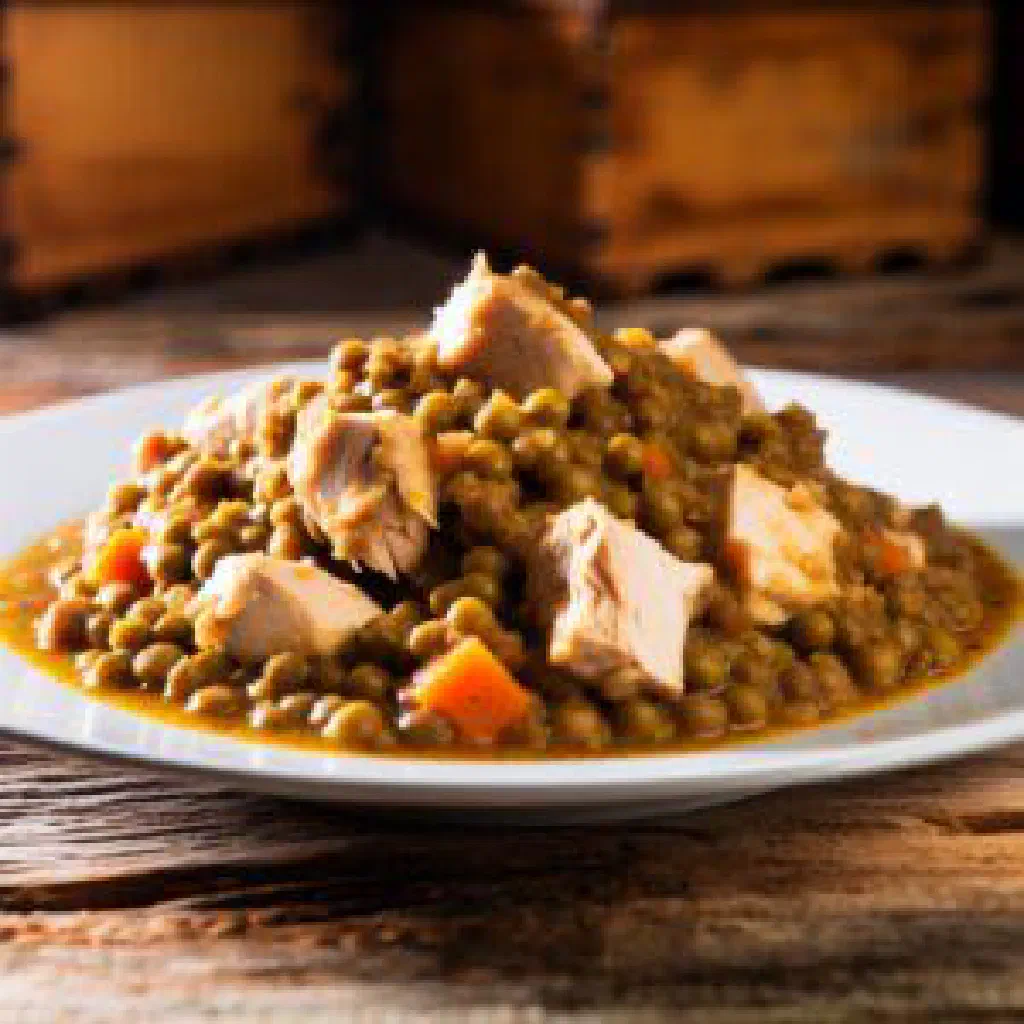
Meet Halim, the slow-simmered wheat-and-meat porridge that Tajik families turn to when the mountain winters bite. Tender lamb, cracked wheat and a warm handful of spices cook down for hours into something thick, creamy and deeply restorative. It is a dish built on patience and on sharing, a pot of halim on the table is an invitation as much as a meal. Cook it once and you will understand why it has stayed on Tajik stoves for generations.
About Halim
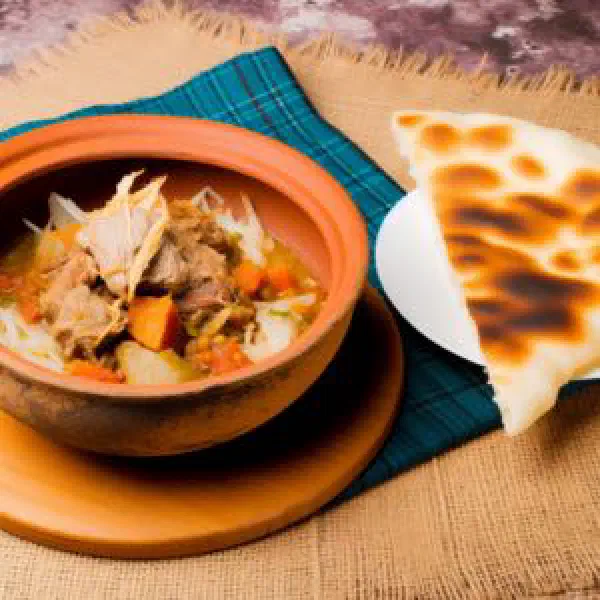
Halim is a traditional Tajik dish enjoyed above all during the cold winter months. It is a hearty porridge made from wheat, meat and a careful blend of spices, cooked until the texture turns creamy and thoroughly nourishing, exactly what you want when you need energy to see you through a long, cold season. Halim is more than food, though: in Tajik culture it stands for hospitality and for the gathering of family around a single pot.
Ingredients (serves 1–2)
- 150 g wholegrain wheat flakes or cracked wheat
- 200 g lamb or beef
- 1 onion
- 2 cloves of garlic
- 1 teaspoon salt
- 1/2 teaspoon black pepper
- 1 teaspoon cumin
- 1 teaspoon paprika
- 2 litres water
- Fresh herbs (parsley or coriander), to garnish
Shopping for the ingredients
When you shop for halim, it pays to look for fresh, good-quality produce. A local market or an organic shop will usually give you the best meat and the liveliest herbs. Wholegrain wheat flakes are stocked by most supermarkets, but choose an unrefined version wherever you can so the grain keeps its full nutritional value. It is also worth buying the spices from a dedicated spice shop, the aromas are noticeably more authentic and intense than the supermarket equivalents.
Preparing the dish
Preparing halim takes a little time, but nothing about the process is difficult. Start by cutting the meat into small pieces and finely chopping the onion and the garlic; even-sized pieces mean everything cooks at the same rate. Once the ingredients are ready, make sure everything is within easy reach before you light the hob, so the long cooking runs smoothly from start to finish.
Step-by-step instructions
- Brown the meat in a large pan together with the chopped onion and garlic until lightly coloured.
- Add the wheat flakes and toast them briefly to bring out their flavour.
- Pour in the water, bring to the boil, then turn the heat down low.
- Season with salt, pepper, cumin and paprika, and leave to simmer gently for at least 1.5 hours, until the meat is tender.
- Stir from time to time and top up with water as needed to reach the consistency you want.
- Spoon the finished halim into bowls and garnish with fresh herbs.
Gluten-free / lactose-free version
Anyone with a gluten intolerance can swap the wheat flakes for gluten-free alternatives such as rice or buckwheat flakes. Check that the remaining ingredients are certified gluten-free too, and keep utensils and work surfaces free from cross-contamination. The dish is naturally lactose-free, since none of the base ingredients contain dairy, a useful thing to know if you are cooking for a mixed table.
Tips for vegans and vegetarians
There is an easy route to a vegan halim: replace the meat with protein-rich plant alternatives such as lentils or chickpeas. Bulk the pot out further with vegetables like carrots or peppers to lift the nutritional content, and use a good vegetable stock instead of water to deepen the flavour. The result is every bit as tasty and sustaining as the original, and it sits comfortably alongside a meat-free plate of Dolma.
More tips and tricks
A few small tricks make halim noticeably better. Smoked paprika in place of sweet gives the pot an extra layer of depth, and a pinch of cinnamon adds an intriguing warmth that suits the wheat particularly well. If you want the porridge even creamier, stir in a splash of coconut milk towards the end of cooking. Little adjustments like these complement the traditional recipe beautifully without pulling it out of shape.
Adapting the recipe to your taste
Halim is an unusually adaptable recipe. Vary the spices according to your own palate or the regional tradition you are following, and add chilli or cayenne pepper if you like a bit of heat. The choice of meat changes the character of the dish too, so the same basic method can produce a whole family of versions, halim need never taste the same twice.
Ingredient substitutions
If certain ingredients are hard to come by, there are plenty of alternatives. Poultry works instead of lamb or beef and gives a lighter, subtler flavour. Quinoa or another grain stands in perfectly well if you have no wholegrain wheat to hand, the same flexibility that makes a bowl of Kasha so easy to live with. Be creative with the herbs, too: thyme or dill make excellent additions.
Drink pairing ideas
Several drinks suit halim rather well. A classic black tea or a refreshing herbal infusion sits neatly against the spiced grain, and a glass of Shirchai makes for a warming winter pairing. If you prefer something sweeter, a fruit juice such as pomegranate or apple works nicely. These combinations round out the meal and add to the atmosphere at the table.
Serving and presentation ideas
To show halim off properly, use large bowls or deep plates. Garnished with fresh herbs and perhaps a scattering of toasted nuts, it becomes a genuine centrepiece. Think about colourful sides, a simple salad, say, to vary the colours and textures on the table, and remember that a well-dressed table cloth does as much for the meal as anything on the plate. A basket of warm Obi Non alongside is close to essential.
A bit of history
Halim has deep roots in Tajik and wider Central Asian cooking. Historically it was served at celebrations and ceremonial occasions, and it remains a symbol of the warmth between friends and family. Preparing it was traditionally a communal activity, with several generations gathering around the pot to take turns at the long stirring. Over time it has taken on countless variations, each region adding its own ingredients and methods to the shared tradition of Tajik cuisine.
More recipe ideas
Summary: Halim
Halim is a hearty, nourishing dish that embodies Tajik culture. Combining wheat, meat and a well-judged mix of spices, it delivers an intense and satisfying flavour from very simple parts. The preparation is straightforward and easily adjusted to personal preference, whether that means changing the ingredients or catering for particular dietary needs. It is a dish that never disappoints.