National Dish Tajikistan: Kaak (Recipe)
In this article
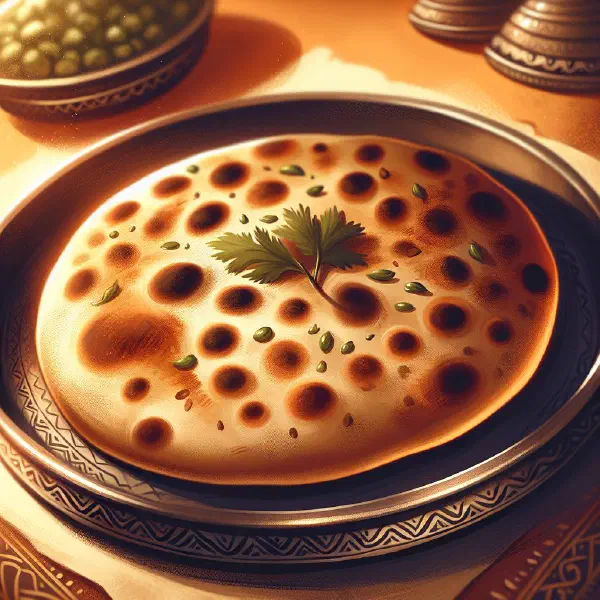
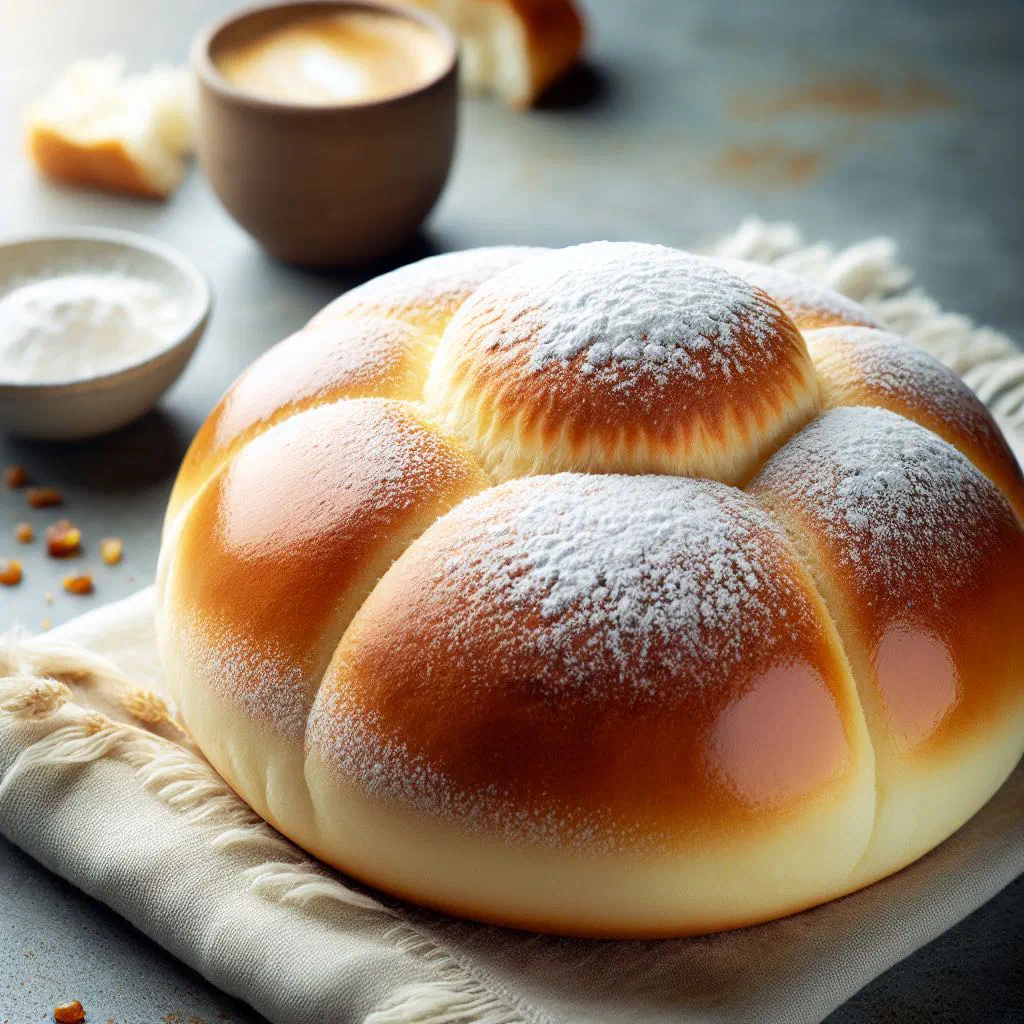
Meet Kaak, the crisp golden flatbread that turns up on tables all across Tajikistan and the wider Central Asian region. Made from little more than flour, water and yeast, it proves that the simplest breads are often the most memorable. Fried until burnished and dotted with sesame, it is equally at home beside a steaming bowl of soup or torn apart on its own with a glass of tea. Few things carry the warmth of a Tajik kitchen quite so directly.
About Kaak
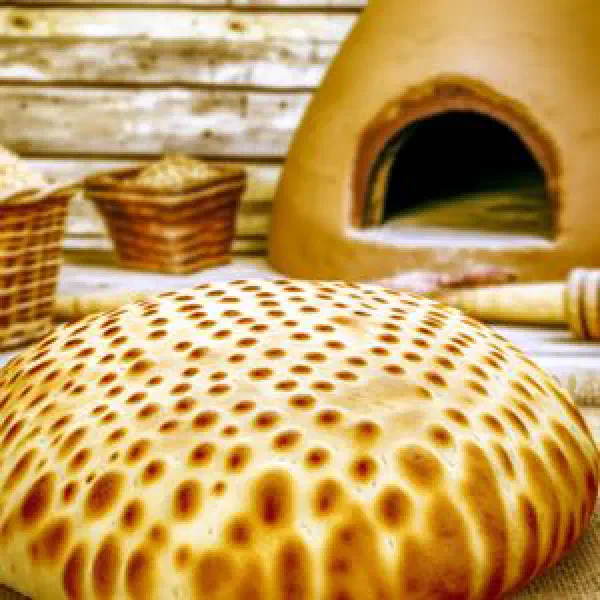
Kaak is a traditional Tajik flatbread that is popular not only in Tajikistan but throughout various regions of Central Asia. This crisp bread has a long history and occupies a central place in Tajik food culture. It is often served alongside heartier dishes, yet it is just as enjoyable eaten plain. The particular flavour of kaak and its wonderful texture make it the perfect companion to any meal, much like the softer Obi Non found in every bakery.
Ingredients (serves 1–2)
- 250 g wheat flour
- 1/2 teaspoon salt
- 150 ml water
- 1 teaspoon yeast
- 1 tablespoon sugar
- Oil, for frying
- Sesame or poppy seeds (optional)
Shopping for the ingredients
When shopping for the ingredients for kaak, it is important to choose good-quality products. Make sure the wheat flour is fresh and finely milled, as this directly affects the texture of the bread. Fresh yeast is equally decisive for how well the dough rises. Where possible, opt for unprocessed, natural ingredients to get the most flavour out of a very short list.
Preparing the dish
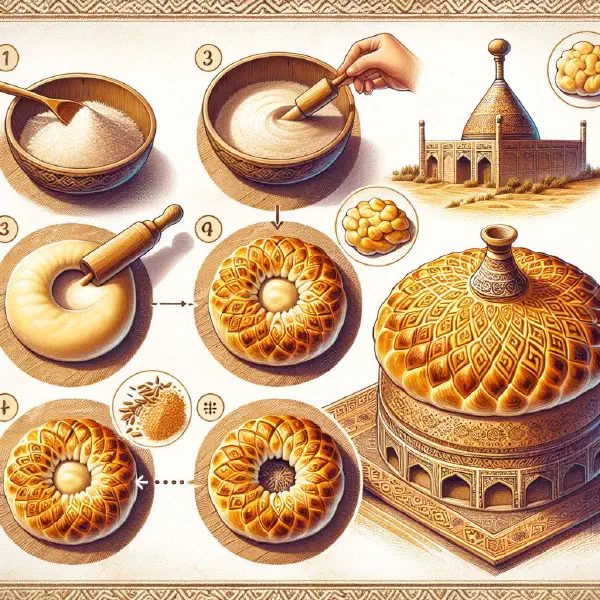
Preparing kaak is relatively straightforward and takes only a few steps. Begin by combining the dry ingredients, flour and salt, in a bowl. Then dissolve the yeast in warm water and add it along with the sugar. Let the mixture rest so the yeast becomes active and the dough rises properly before you go any further.
Step-by-step instructions
- Combine the wheat flour and salt in a large bowl.
- Mix the yeast with the water and sugar and leave for a few minutes until bubbles appear.
- Add the yeast mixture to the flour and knead everything thoroughly.
- Cover the dough and leave it in a warm place for about 1 hour, until well risen.
- Roll the dough out on a floured surface and shape it into flat rounds.
- Heat oil in a pan and fry the rounds for 2–3 minutes on each side until golden brown.
- If you like, scatter sesame or poppy seeds over the rounds before they go into the pan.
- Drain the finished kaaks on kitchen paper and serve warm.
Gluten-free / lactose-free version
A gluten-free version is entirely possible using gluten-free flour. Choose a blend specifically intended for bread so that you achieve the texture you are after. For a lactose-free result, simply fry the breads in oil without adding any dairy products at all. These small adjustments mean that everyone can enjoy delicious kaak, whatever their dietary restrictions.
Tips for vegans and vegetarians
For vegans, kaak is an excellent choice, since it is naturally plant-based as long as no animal products are added. Vegetables or pulses make a wonderful accompaniment at any time of day, a spoonful of Shakarob alongside is especially good. You can also work herbs and spices into the dough to give the bread a more individual character. The flexibility of kaak makes it versatile and ideal for a wide range of diets.
More tips and tricks
A few tips and tricks can improve your kaak considerably. Make sure the dough has enough time to rise properly, as this is what gives the bread its fluffy interior. Use a thoroughly preheated pan so the rounds brown evenly rather than soaking up oil. Experiment with different shapes and sizes to create interesting variations from the same batch of dough.
Adapting the recipe to your taste
The recipe for kaak adapts easily to personal preference. Add spices such as cumin or coriander to lend the bread a more exotic note. Experimenting with different flours, spelt or wholemeal, for instance, can boost both flavour and nutritional value. The result is a distinctive bread shaped entirely to your own liking.
Ingredient substitutions
There are plenty of alternatives you can call on when making kaak. Instead of sugar, use honey or another sweetener to adjust the sweetness to taste. For a gluten-free version, a mix of rice flour and potato starch is a reliable choice. This flexibility makes it much easier to shape kaak around your own needs, just as bakers do with Katlama.
Drink pairing ideas
Kaak pairs beautifully with a whole range of drinks. Try it with a refreshing green tea, which complements the flavours of the bread nicely. Yoghurt-based drinks such as Doogh or ayran are another lovely way to round off the meal. On festive occasions, a sweet compote or freshly pressed fruit juice makes an excellent accompaniment.
Serving and presentation ideas
To present kaak attractively, arrange the breads on a large, rustic wooden board. Add a selection of dips, hummus or a slow-cooked bean paste, to bring both visual and flavour variety to the table. A squeeze of fresh lemon juice can lift the colours and aromas of whatever sits alongside. A spread like this invites guests to help themselves and linger over your Tajik table.
A bit of history
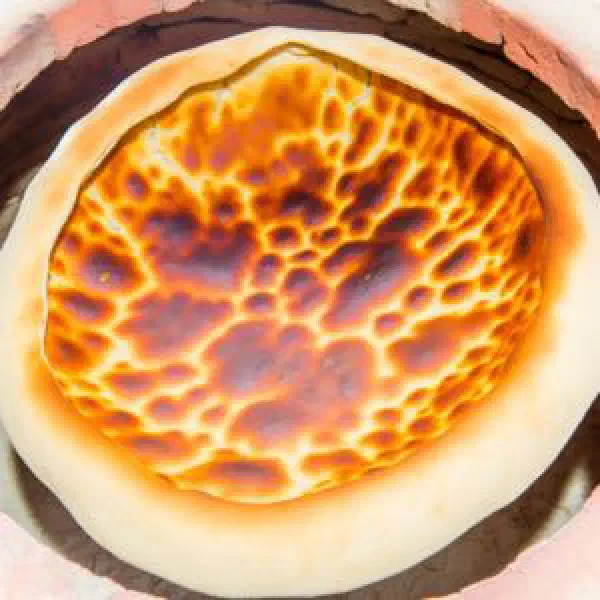
The history of kaak is closely bound up with the traditions and customs of Tajik culture. Among the nomads of Central Asia it was common to bake bread over an open fire, and that is where its characteristic flavour and texture originated. Kaak is more than simply food; it plays a meaningful social role and is often shared at festive gatherings. These deep cultural roots say a great deal about community and togetherness in Tajik cuisine.
More recipe ideas
Summary: Kaak
In short, kaak is an indispensable part of Tajik cooking, simple to make and thoroughly delicious. With its crisp texture and versatile role, it works equally well as a side dish and as a snack in its own right. Its cultural roots and the ease with which the recipe adapts make it an exciting way to explore Tajik food culture. Let these flavours inspire you and bring a piece of Tajikistan to your own table.