National Dish Tajikistan: Kovurma Lagman (Recipe)
In this article
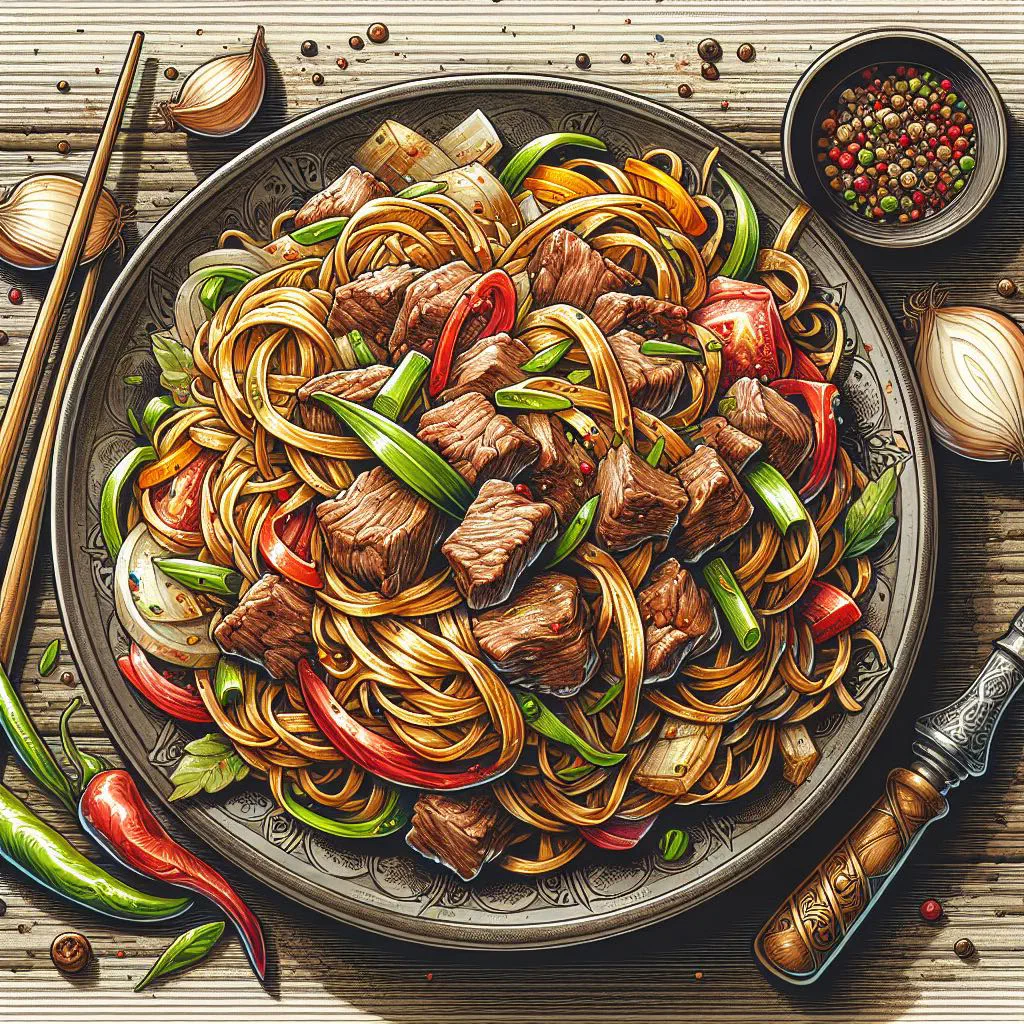
Meet Kovurma Lagman, a hearty Tajik noodle dish that brings tender meat, crisp vegetables and a deeply savoury broth together in one bowl. It is the sort of food that fills a house with warmth, equally at home on a quiet weeknight table and at a large family celebration. Follow this recipe and you will bring a genuine taste of Central Asia into your own kitchen, spice by spice.
About Kovurma Lagman
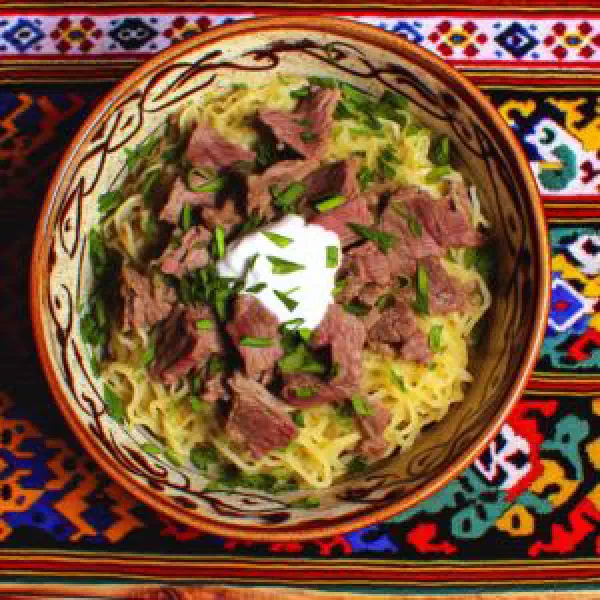
Kovurma Lagman is a traditional dish from Tajikistan, known for its robust seasoning and its wonderful range of flavours. The combination of tender meat, fresh vegetables and a well-made broth turns this noodle dish into something genuinely special. In Tajikistan, lagman is not merely an everyday meal. It is a fixture at festivals and family gatherings. With its long history and the many influences of Central Asian cuisine behind it, kovurma lagman appeals to locals and food lovers around the world alike.
Ingredients (serves 1–2)
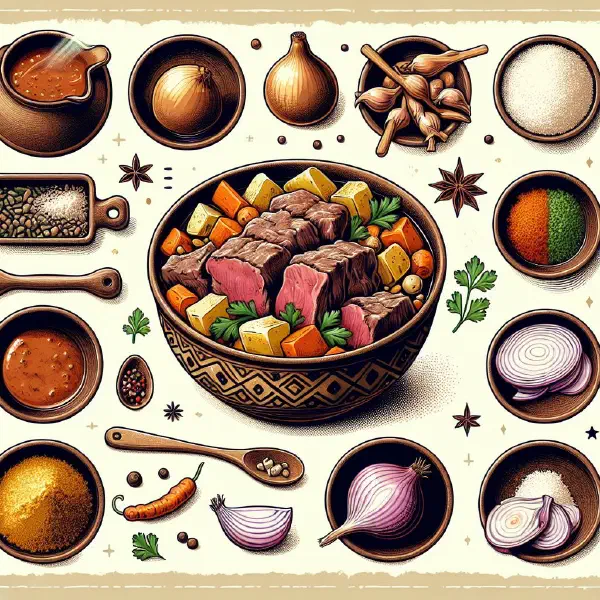
- 300 g minced meat (lamb or beef)
- 200 g fresh lagman noodles or handmade noodles
- 1 onion, finely chopped
- 1–2 carrots, cut into strips
- 1 pepper, diced
- 2–3 cloves of garlic, crushed
- 500 ml vegetable or meat stock
- 1 teaspoon paprika
- Salt and pepper to taste
- Fresh herbs to garnish (coriander or parsley, for example)
Shopping for the ingredients
For kovurma lagman it is important to choose fresh, good-quality ingredients. The meat should be lean and tender so the flavour comes through at its best. The choice of fresh vegetables matters just as much, since they carry much of the aroma. A visit to a local market is the ideal way to find the crisp produce and spices that will lift your dish.
Preparing the dish
Before you start cooking kovurma lagman, it pays to get everything ready. Cut the vegetables into even pieces so they cook through at the same rate. Have the minced meat waiting in a bowl so it can go straight into the pan. Do not forget to set out the stock and the seasonings as well, a well-organised worktop makes the whole process far smoother.
Step-by-step instructions
- Heat a little oil in a large pan and fry the onions until golden brown.
- Add the minced meat and brown it thoroughly.
- Stir in the diced vegetables — carrots and pepper — and fry everything together for around 5 minutes.
- Add the crushed garlic and the spices, then stir well.
- Pour the stock into the pan and let everything simmer for 15–20 minutes.
- Cook the lagman noodles in a separate pan according to the packet instructions, then drain.
- Serve the noodles in a bowl and ladle the broth with the vegetables and meat over the top.
- Garnish the dish with fresh herbs.
Gluten-free / lactose-free version
For a gluten-free version of kovurma lagman, swap the usual wheat noodles for rice noodles or a dedicated gluten-free pasta. Do check that the stock and seasonings are gluten-free as well. Making the dish lactose-free is straightforward: simply leave out any creamy elements and rely on the vegetable- or meat-based broth alone. That way everyone at the table can enjoy the meal without worry.
Tips for vegans and vegetarians
To prepare kovurma lagman vegan or vegetarian, replace the minced meat with a plant-based protein such as tofu or tempeh. Add extra vegetables or some pulses to keep the dish satisfying and nourishing. For the broth, use a vegetable stock or a homemade alternative to build depth of flavour. With the right spices and plenty of fresh herbs, the plant-based version is every bit as good, much like the vegetable-led Damlama.
More tips and tricks
To get the most from your kovurma lagman, season the broth generously and taste it regularly as it cooks. The aromas develop beautifully if you give the dish enough time to simmer gently. You can also add different vegetables to discover new flavour combinations. If you are cooking for guests, scale the quantities accordingly and consider serving everything from one large bowl in the middle of the table.
Adapting the recipe to your taste
Everyone has their own preferences, and kovurma lagman takes to them happily. Adjust the dish by using whichever spices or vegetables you most enjoy. Experiment with courgette, aubergine or even mushrooms to bring in new textures and flavours. That is how a recipe becomes your own personal favourite.
Ingredient substitutions
If some ingredients for kovurma lagman are hard to find, there are plenty of alternatives. Instead of lamb or beef you might use poultry or another meat, depending on what you prefer. For the noodles, as mentioned, gluten-free varieties work well, and so do courgette ribbons. You can also experiment with different broths, whether homemade or shop-bought, the same base that gives Shurbo its character.
Drink pairing ideas
A number of drinks go well with kovurma lagman and support its savoury flavours. A simple green tea or a fruity grape juice harmonises nicely with the spicing. If you would rather something alcoholic, a light dry wheat beer or a glass of red wine both work. The choice of drink can add a great deal to the meal and is worth matching to the rest of the menu.
Serving and presentation ideas
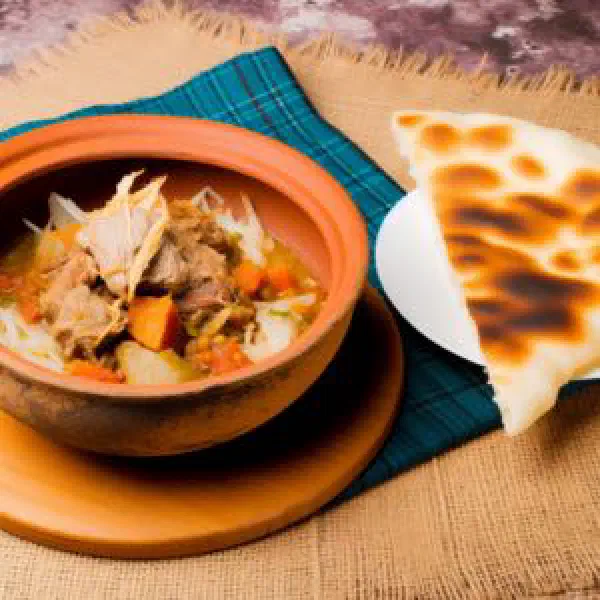
Presentation matters with kovurma lagman. It builds the anticipation before the first mouthful. Serve the dish in deep bowls and garnish generously with fresh herbs. An attractive table setting and the right crockery lift the occasion further. Side dishes such as warm Obi Non flatbread or a small dish of chilli oil make the meal more varied and give your guests something to remember.
A bit of history
Kovurma lagman has an intriguing history, one woven deeply into the culture of Tajikistan. The origins of lagman noodles trace back to the Uyghur people, and they have been part of Central Asian cooking for centuries. Many regional variations exist, shaped by local tastes and available produce. The dish embodies the many influences of the nomadic way of life and the culinary inventiveness found across Tajik cuisine.
More recipe ideas
Summary: Kovurma Lagman
In short, kovurma lagman is a hearty, deeply flavoursome noodle dish that captures the tastes of Tajikistan perfectly. With its colourful mix of fresh vegetables, warming spices and tender meat, it suits special occasions and relaxed evenings with friends equally well. Its versatility and easy adaptability make it a favourite in any kitchen. Discover the essence of Central Asian cooking with kovurma lagman and enjoy every last spoonful.