National Dish Tajikistan: Kulcha (Recipe)
In this article
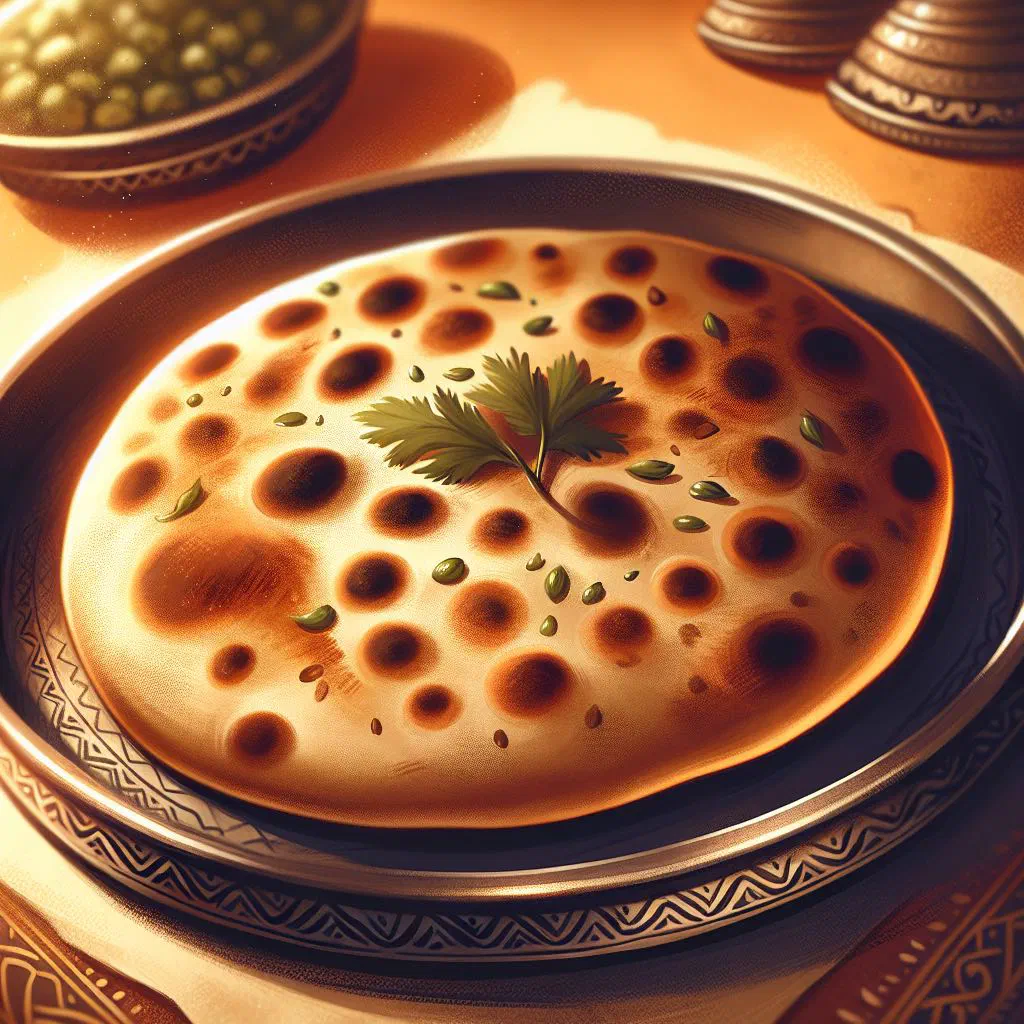
Discover Kulcha, the golden flatbread that sits at the heart of the Tajik table. Baked until blistered and fragrant, it carries the warm, smoky character of a clay oven and the quiet generosity of a household that always has bread ready for a guest. The dough asks for little more than flour, water and patience, yet the result is soft inside, crisp at the edges and impossible to stop tearing at. Bring a piece of Central Asia straight into your own kitchen.
About Kulcha
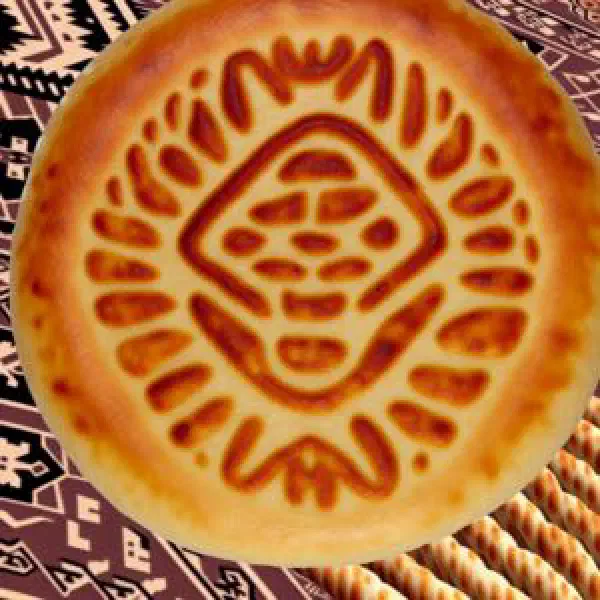
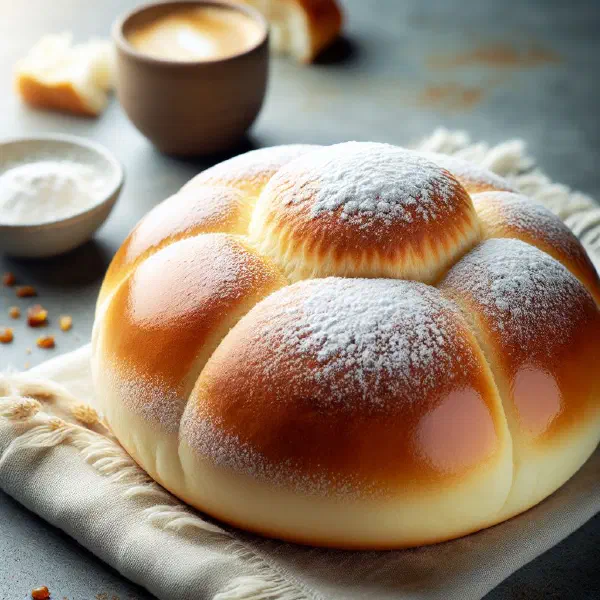
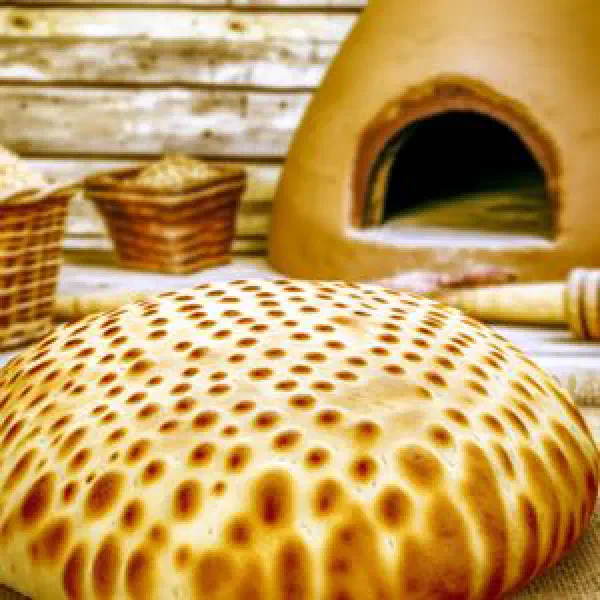
Kulcha is far more than a simple flatbread. It is a true symbol of Tajik hospitality. The bread is traditionally baked in a clay oven known as a tandoor, which gives it its unmistakable flavour and deeply aromatic crust. It accompanies almost every meal, eaten plain or torn into pieces to mop up hearty stews and sauces. Making kulcha is an art in its own right, calling for both affection and patience if the dough is to come out exactly right.
Ingredients (serves 1–2)
- 250 g wheat flour
- 150 ml warm water
- 1 teaspoon salt
- 1 teaspoon sugar
- 1 tablespoon olive oil
- Yeast (fresh or dried)
- Optional: sesame or poppy seeds, to scatter
Shopping for the ingredients
The ingredients for kulcha are easy to find in almost any supermarket. Look out for good-quality wheat flour, since it forms the entire foundation of the dough. Fresh yeast is ideal, though dried yeast works perfectly well if fresh is not available. If you would like a vegan version, simply leave out the olive oil and work the dough with nothing more than flour and water.
Preparing the dish
Before you start on the kulcha, lay out everything you need. Weigh the flour and tip it into a large bowl, then distribute the salt and sugar evenly through it so the finished bread is seasoned right the way through. It also pays to warm the water gently, just to blood temperature, as this activates the yeast and gives you a livelier, better-risen dough.
Step-by-step instructions
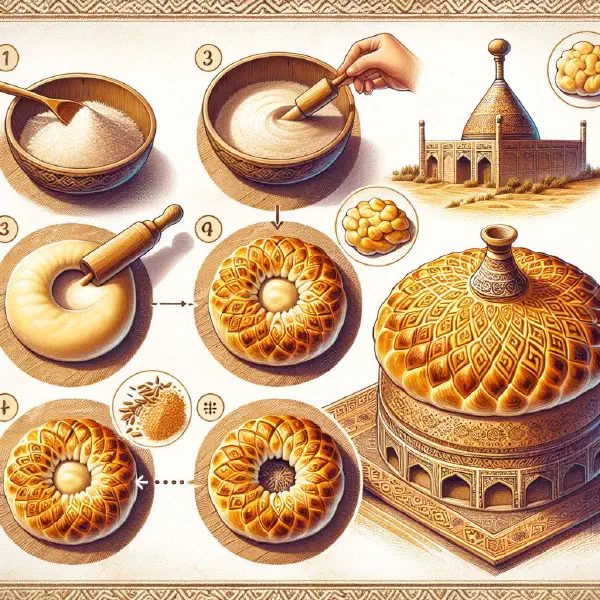
- Combine the flour, salt, sugar and yeast in a large bowl.
- Add the warm water and the olive oil, and mix everything thoroughly.
- Knead the dough until smooth and supple, then leave it to prove in a warm place for about an hour.
- Turn the risen dough out onto a floured surface, divide it into small portions and roll them out.
- Place the flatbreads on a baking tray, or slap them onto the wall of a tandoor.
- Scatter with sesame or poppy seeds if you like.
- Bake at a high temperature until golden brown.
Gluten-free / lactose-free version
For a gluten-free kulcha, replace the wheat flour with a gluten-free blend designed for bread making, and check that your yeast is certified gluten-free too. For a lactose-free version, make sure every ingredient you use is free of dairy, the olive oil can be swapped for any other plant-based oil without affecting the result. Either way, the bread stays soft and welcoming.
Tips for vegans and vegetarians
Kulcha is naturally close to vegan already, since it contains no animal products at all. To be certain your version is entirely plant-based, use vegetable oils and check that your yeast contains no animal derivatives. A little plant-based butter brushed over the hot loaves adds richness, while herbs such as coriander or parsley stirred into the dough bring a fresh, green note.
More tips and tricks
For the best results, give the kulcha dough a proper, unhurried rise, warmth is what keeps the yeast working. A very hot oven, or better still a pizza oven, will give you a crisper crust and that characteristic blistering. Baking in a tandoor lends the bread its distinctive texture and a smoky aroma you will quickly find you cannot do without.
Adapting the recipe to your taste
Kulcha takes happily to adjustment. Work herbs or spices such as garlic or caraway into the dough for extra depth, or add a little more sugar or a spoonful of honey for a sweeter loaf that suits breakfast. It is also worth experimenting with different flours, spelt or wholemeal both give the bread a nuttier, earthier character that stands up well beside a rich Shurbo.
Ingredient substitutions
If you have no yeast to hand, baking powder will get you there, though the texture will be denser and more biscuit-like. In place of olive oil, sunflower or coconut oil both work and each shifts the flavour a little. Sparkling mineral water instead of plain water gives the dough an extra lift, a trick also worth borrowing for a batch of Baursak.
Drink pairing ideas
Plenty of drinks suit kulcha and bring out the sweetness of the crust. A traditional Tajik tea is always the safe choice, and a milky Shirchai turns the bread into a proper breakfast. A lightly chilled yoghurt drink such as Doogh adds a cooling, tangy contrast, while a glass of pomegranate juice lends a fruity brightness that harmonises beautifully.
Serving and presentation ideas
Presenting kulcha is charmingly straightforward. Serve the bread warm in a wooden basket to create a rustic, welcoming table. Garnish the plate with fresh herbs or a thread of olive oil to please the eye as much as the palate. A few small bowls of dips alongside, a fiery chutney, or a cool yoghurt sauce, will round the whole thing out nicely.
A bit of history
Kulcha has a long history in Tajik and wider Central Asian culture. It has been baked in countless variations for centuries and remains a fixture of everyday life. The bread stands not only for hospitality but for a continuing connection to tradition and community. Historically it was served at celebrations and read as a sign of prosperity and good fortune, one of the clearest expressions of Tajik cuisine there is.
More recipe ideas
Summary: Kulcha
Kulcha is a versatile and thoroughly satisfying flatbread that any kitchen can turn out with a little practice. Whether it accompanies a hearty stew or takes centre stage on its own, the sheer range of variations and baking methods makes it a bread worth returning to again and again. Its simplicity, combined with how readily it bends to your own taste, makes kulcha an absolute must-try for anyone setting out to explore Tajik cooking. Enjoy it warm, tear it by hand, and bring a piece of Central Asia to your table.