National Dish Tajikistan: Kurutob (Recipe)
In this article
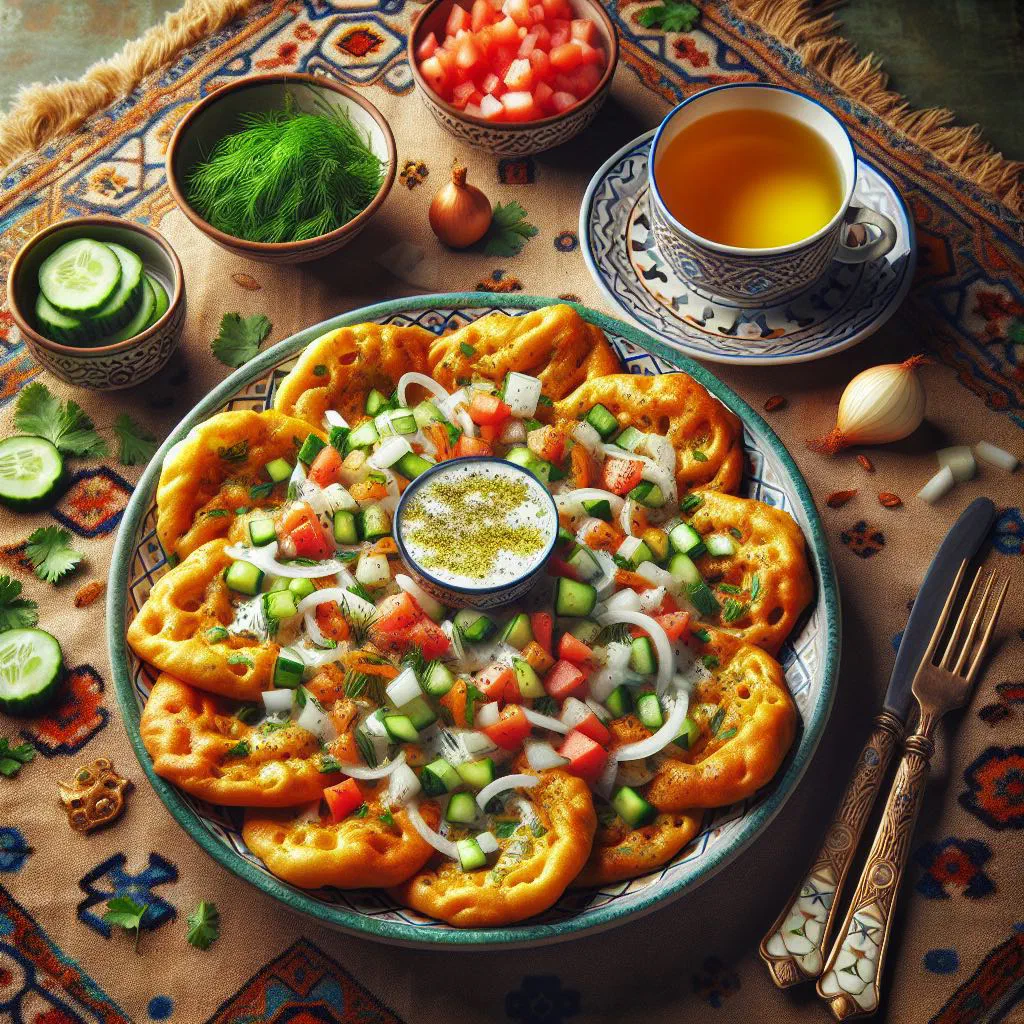
Meet Kurutob, the dish Tajiks reach for when there is something worth celebrating. Torn flatbread soaks up a tangy dressing of yoghurt, then disappears under a bright tumble of tomatoes, cucumbers, onions and herbs. There are no complicated techniques and no long cooking times. Just good ingredients, a large bowl and a few minutes of mixing. It is generous, refreshing food built to be shared straight from the middle of the table.
About Kurutob
Kurutob is a genuine delicacy and a mirror of Tajikistan’s rich culinary traditions. It brings together fresh flatbread, aromatic yoghurt and an assortment of vegetables in a harmonious interplay of flavours. In many Tajik households it appears at festive gatherings and family meals alike, much as Plov does. With its savoury taste and satisfying texture, kurutob is nourishing and a signal of hospitality.
Ingredients (serves 1–2)
- 2 flatbreads
- 200 g plain yoghurt
- 100 g tomatoes, diced
- 100 g cucumber, diced
- 50 g onions, finely chopped
- 1 pepper, diced
- 1 teaspoon cumin
- Salt and pepper to taste
- Fresh herbs (mint or coriander)
Shopping for the ingredients
Shopping for kurutob is refreshingly straightforward, as most of what you need is stocked in ordinary supermarkets or on weekly markets. Fresh flatbread can usually be found at a local bakery or a Turkish grocery, and the same shops often sell Obi Non, the classic Central Asian loaf. The salad ingredients, tomatoes, cucumber and pepper, are easy to source year-round. When buying the yoghurt, look for a good-quality, unsweetened variety for the best flavour.
Preparing the dish
Before you start assembling kurutob, have every ingredient fresh and within reach. The flatbread can also be baked at home if you fancy it, which gives the dish a particularly personal touch. Wash and cut the vegetables into small pieces so that they mix easily with everything else. Do not forget to prepare the herbs. They contribute the fresh accent that lifts the whole bowl.
Step-by-step instructions
- Tear the flatbread into pieces and place them in a large bowl.
- Add the diced tomatoes, cucumber, onions and pepper.
- Spoon the yoghurt evenly over the mixture.
- Add the spices, including cumin, salt and pepper.
- Scatter over the fresh herbs and mix everything together well.
- Let the dish stand for a few minutes so the flavours can develop.
- Serve the kurutob and enjoy it with the people you love.
Gluten-free / lactose-free version
For a gluten-free kurutob, use a gluten-free flatbread or any other bread that suits your diet. The yoghurt is easily replaced with a plant-based alternative, which is usually lactose-free as well. If you want complete control over the ingredients, you can even culture your own yoghurt from oat or coconut milk. The character of the dish survives intact, minus the classic allergens.
Tips for vegans and vegetarians
For a vegan version of kurutob, plant-based yoghurt substitutes work beautifully and are widely available. Check the bread too, to make sure it contains no animal products. The vegetable options are endless, experiment with whatever is in season to discover new flavour combinations. You can also bulk the dish out with tofu or chickpeas for extra protein.
More tips and tricks
A few simple tricks make kurutob even better. Toasting the flatbread lightly before you tear it, for instance, gives the pieces a crisp edge that holds up against the yoghurt. Use fresh spices, as these intensify the aromatic flavour considerably. Rotating the herbs and vegetables through the seasons keeps the dish varied and interesting on the table.
Adapting the recipe to your taste
The joy of kurutob lies in how freely you can experiment with the ingredients. Add toasted nuts or seeds if you want more texture and richness. A hit of heat from chilli or paprika can be very appealing and adds a lively edge. Adjust the proportions so they suit your personal preferences and whatever the season happens to offer.
Ingredient substitutions
If some of the ingredients for kurutob do not appeal, there are plenty of alternatives worth trying. In place of tomatoes you might use avocado, which brings a creamy texture. Onions can be swapped for spring onions, which taste noticeably milder. Dried qurut balls, as used in Qurut, can also be soaked and stirred in for a sharper, more traditional tang. Being creative in the kitchen opens up new horizons and is simply good fun.
Drink pairing ideas
Many drinks go splendidly with a bowl of kurutob. A fresh mint tea is the traditional choice and is served constantly in Tajikistan. A light mineral water or a fruity smoothie works just as well, and a chilled yoghurt drink such as Doogh echoes the dish’s own tang. For celebrations, a cold beer or a light red wine rounds off the meal nicely.
Serving and presentation ideas
We eat with our eyes first, and kurutob is no exception. Serve it in a wide bowl where the colourful ingredients can show themselves off properly. Decorate the top with fresh herbs and a few bright pieces of vegetable. For an authentic Tajik touch, use traditional tableware or a wooden board for serving. A handsome presentation sets the tone and creates an inviting atmosphere around the table.
A bit of history
Kurutob has a long history and is deeply rooted in the culture of Tajikistan. It was originally made by shepherds and farmers who used whatever ingredients were to hand to build a nourishing meal. The simplicity of those ingredients is a symbol of the Tajik way of life, closely bound up with the land. Today kurutob is not merely an everyday dish but an emblem of Tajik hospitality, alongside staples of Tajik cuisine such as Sambusa.
More recipe ideas
Summary: Kurutob
In short, kurutob is a simple yet enormously flavourful dish that embodies the cultural roots of Tajikistan. Its mix of fresh vegetables, aromatic yoghurt and crisp flatbread makes it an indispensable part of many Tajik celebrations. Whether for a sociable gathering or a quiet family meal, kurutob offers a varied taste experience and is genuinely easy to put together. Let it inspire you to try this traditional dish for yourself.