National Dish Tajikistan: Laghman (Recipe)
In this article
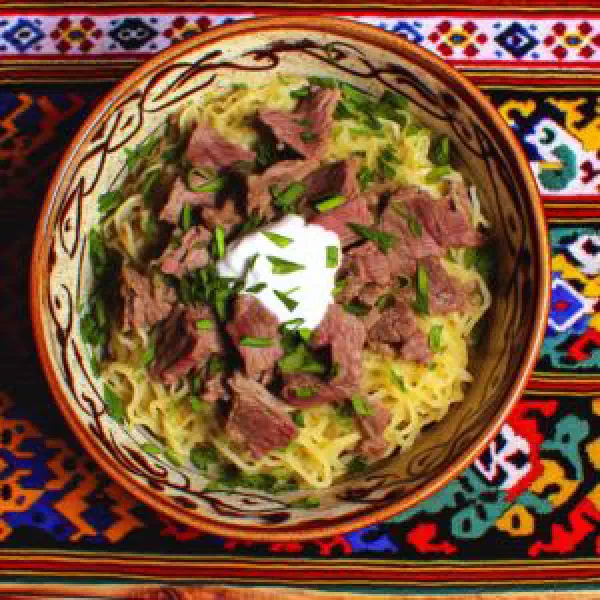
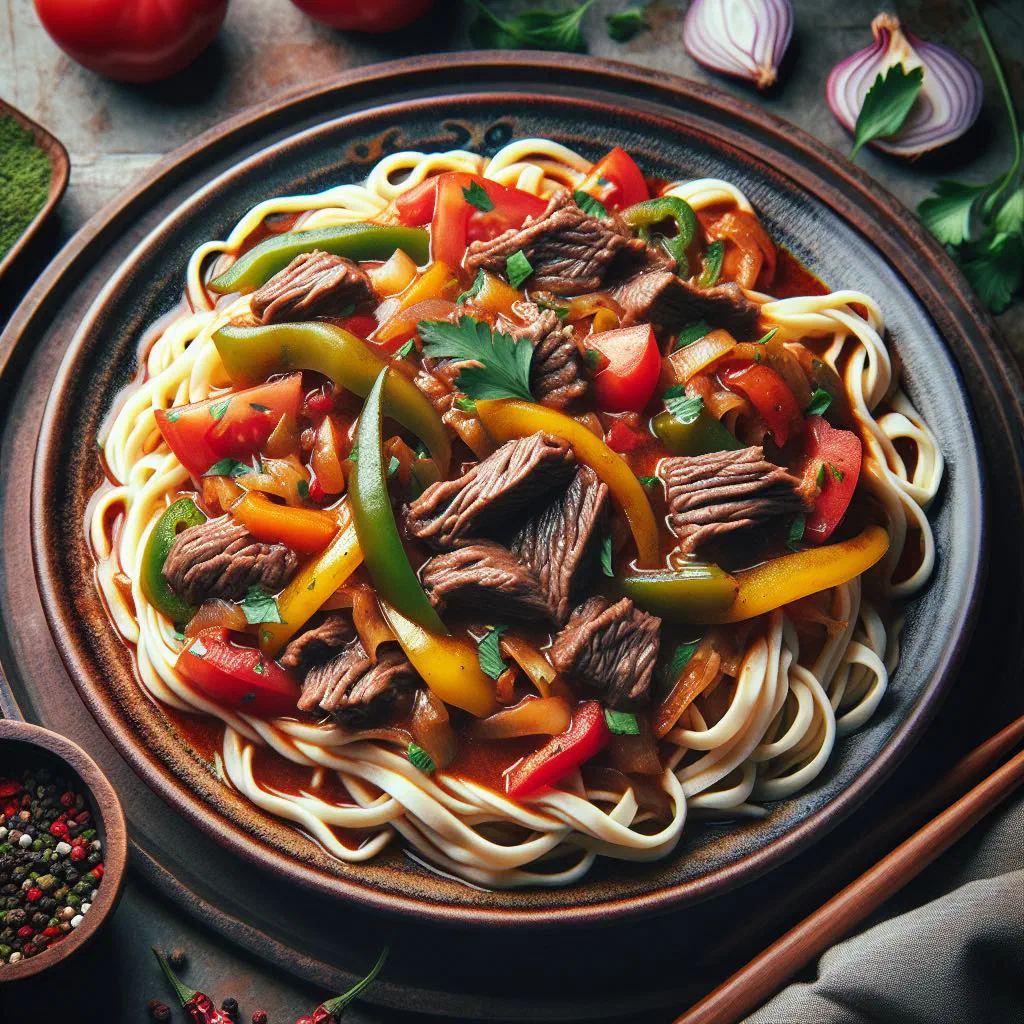
Discover Laghman, one of Tajikistan’s most cherished dishes. Springy hand-pulled noodles are draped in a hearty sauce of meat and vegetables, warmed through with paprika and cumin. It is the sort of food that draws people around a table. Perfect for family meals, celebrations and any occasion when good company matters as much as good cooking. Bring a taste of Central Asia into your own kitchen.
About Laghman
Laghman is a dish with deep roots in Tajikistan, especially treasured at festivals and family gatherings. The hand-pulled noodles are its heart, offering a chewy, springy texture that comes into its own alongside a meaty, well-spiced sauce. The range of ingredients means no two versions are ever quite the same, and every cook puts their own stamp on it. More than that, laghman is a symbol of the rich culinary culture of Central Asia, winning over locals and visitors alike.
Ingredients (serves 1–2)
- 200 g plain flour
- 1 egg
- 1/2 teaspoon salt
- 200 ml water
- 300 g beef or lamb
- 1 onion
- 1 carrot
- 1 pepper
- 2 garlic cloves
- 1 teaspoon paprika
- 1 teaspoon cumin
- Salt and pepper to taste
- Fresh herbs, to garnish
Shopping for the ingredients
When shopping for laghman, it pays to choose good-quality produce. Look for fresh vegetables and meat to get the best possible flavour. Pay particular attention to the flour: a strong, good-quality wheat flour is ideal for noodle making, as it gives the dough the stretch it needs. Warming spices such as paprika and cumin are what lend the dish its unmistakable character, so it is worth buying them fresh rather than using tins that have sat in the cupboard for years.
Preparing the dish
Preparation is the decisive stage with laghman. Start by kneading the dough from flour, egg, salt and water, then leave it to rest so it becomes more elastic. This makes pulling the noodles far easier. While the dough rests, prepare the meat and vegetables. Cutting everything into evenly sized pieces helps them cook at the same rate and keeps the sauce balanced. The same unhurried approach serves you well with a rich Damlama.
Step-by-step instructions
- Combine the flour, egg, salt and water in a bowl and knead to a smooth, supple dough.
- Wrap the dough in cling film and leave it to rest for 30 minutes.
- Meanwhile, prepare the meat and the vegetables.
- Divide the dough into portions and pull it by hand into long, thin noodles.
- Cook the noodles in boiling salted water until al dente, then drain.
- Fry the onion, garlic and meat in a pan, add the vegetables and cook through, seasoning well.
- Spoon the sauce over the noodles and garnish with fresh herbs.
Gluten-free / lactose-free version
A gluten-free laghman is entirely possible if you use a gluten-free flour alternative. Blends based on rice flour or chickpea flour, or ready-made gluten-free noodles, all work nicely. Take care to keep the sauce gluten-free too, avoiding any ingredients containing soy sauce or wheat. For anyone avoiding dairy, the dish is naturally close to lactose-free already. Simply use plant-based products wherever a dairy element creeps in.
Tips for vegans and vegetarians
For vegan and vegetarian versions of laghman, swap the meat for tofu, tempeh or a generous mixture of vegetables. Be sure to add plenty of spice so the flavour stays bold rather than flat. The noodles themselves can be made simply from flour and water, leaving out the egg altogether. The result stays nourishing and every bit as satisfying as the original.
More tips and tricks
The secret to a really good laghman lies in the care you take over the noodles. Practice makes perfect, and pulling the dough calls for patience and a light touch rather than brute force. Different vegetables and spices can add extra depth and keep the dish varied from one cooking to the next. Play with the consistency of the sauce as well, thick or thin, whichever suits you, much as you might with a comforting Shurbo.
Adapting the recipe to your taste
Laghman is easy to tailor to your own preferences. If you like heat, add chilli or a sharper spice blend. Vegetarian and vegan versions can be handled creatively too, by working pulses or even nuts into the sauce. Adjustments like these make the dish more interesting not just in flavour but in appearance, giving each bowl its own character.
Ingredient substitutions
If some ingredients for laghman prove hard to find, there are plenty of alternatives. Instead of beef or lamb you might use chicken or even fish. With vegetables, seasonal produce keeps the dish fresh and lively throughout the year. When it comes to seasoning, fresh herbs such as parsley or coriander often make an excellent stand-in and bring extra aroma along with them.
Drink pairing ideas
The right drink rounds off a laghman meal beautifully. A light, fresh green tea works wonderfully against the intense flavours of the sauce. For those who prefer something alcoholic, a Tajik wine or a light lager makes for an interesting pairing. Fruity lemonades and freshly pressed juices are ideal companions too, particularly for a summer table, as is a chilled glass of Doogh.
Serving and presentation ideas
The look of laghman can be lifted with a few simple touches. Serve it in colourful bowls that set off the colours of the food itself. Freshly chopped herbs and a wedge of lime add a note of brightness to the garnish. You can also serve the noodles and the sauce separately, letting everyone assemble their own portion exactly as they like it.
A bit of history
Laghman has its roots in the varied, tradition-rich culture of Central Asia. Its preparation has evolved over many centuries and reflects the influence of nomadic life along the old trade routes. In Tajikistan the dish is not merely something to eat but part of social and cultural identity, often served on special occasions as a mark of hospitality. It sits at the heart of Tajik cuisine alongside its close cousin Kovurma Lagman.
More recipe ideas
Summary: Laghman
In the end, laghman offers a delicious way into the flavours and textures of Central Asia. The combination of hand-pulled noodles and a well-spiced sauce makes it indispensable in any Tajik kitchen. Whether for a special occasion or simply for the pleasure of eating together as a family, laghman brings warmth and conviviality to the table. Let this recipe inspire you and enjoy the variety it has to offer.