National Dish Tajikistan: Non (Recipe)
In this article
Discover Non, the round flatbread that sits at the very heart of the Tajik table. With its crisp crust and light, airy crumb, it turns up at almost every meal, torn by hand, shared around and never cut with a knife. Baking it at home is far simpler than you might expect, and the smell alone is worth the effort. Bring a little Tajik hospitality into your own kitchen.
About Non
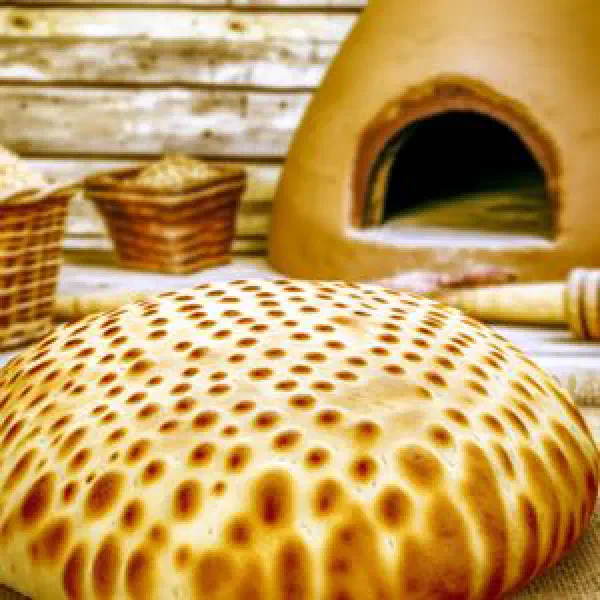
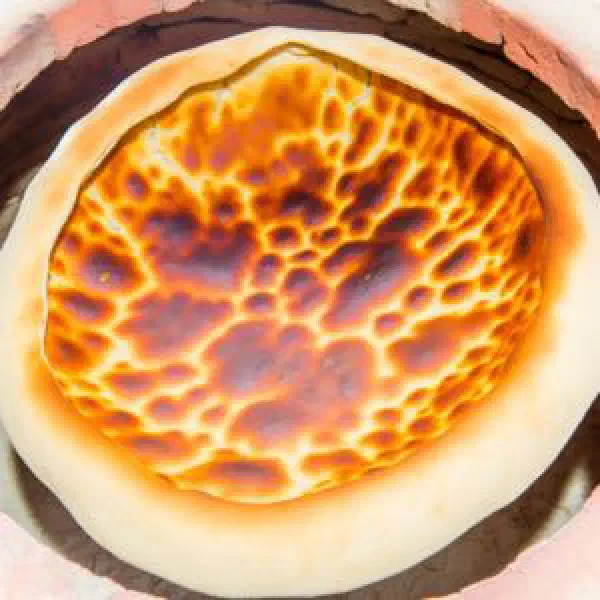
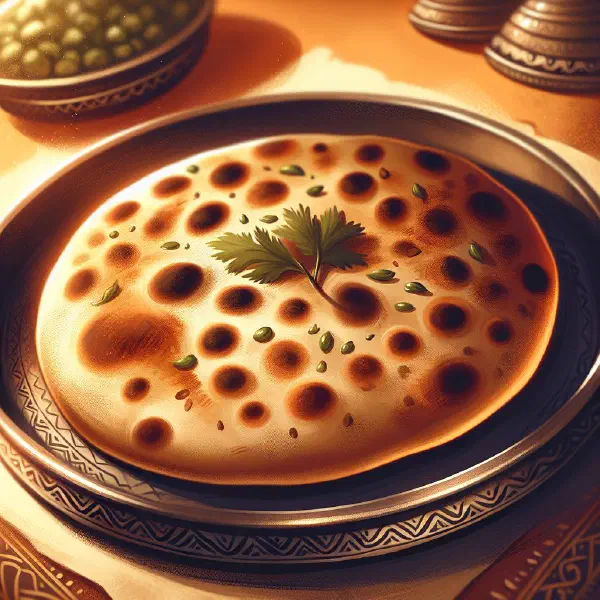
Tajik Non is not simply a flatbread; it is a symbol of traditional hospitality. In Tajikistan it is served with nearly every meal and plays a central role in the country’s social life. Whether at festivals, family gatherings or an ordinary weekday supper, non is always on the table. Its crisp crust and airy interior make it a wonderful companion to stews such as Shurbo, to salads, or simply to a little butter and jam.
Ingredients (serves 1–2)
- 500 g wheat flour
- 300 ml warm water
- 1 teaspoon salt
- 1 teaspoon sugar
- 10 g fresh yeast
- 2 tablespoons vegetable oil
Shopping for the ingredients
When shopping for non, quality is what makes the difference. Fresh wheat flour and fresh yeast are decisive for the consistency of the dough and for how well the bread rises. A local market or a good bakery supply is the best place to look for the freshest ingredients. Make sure your water is lukewarm rather than hot, so the yeast can do its work properly.
Preparing the dish
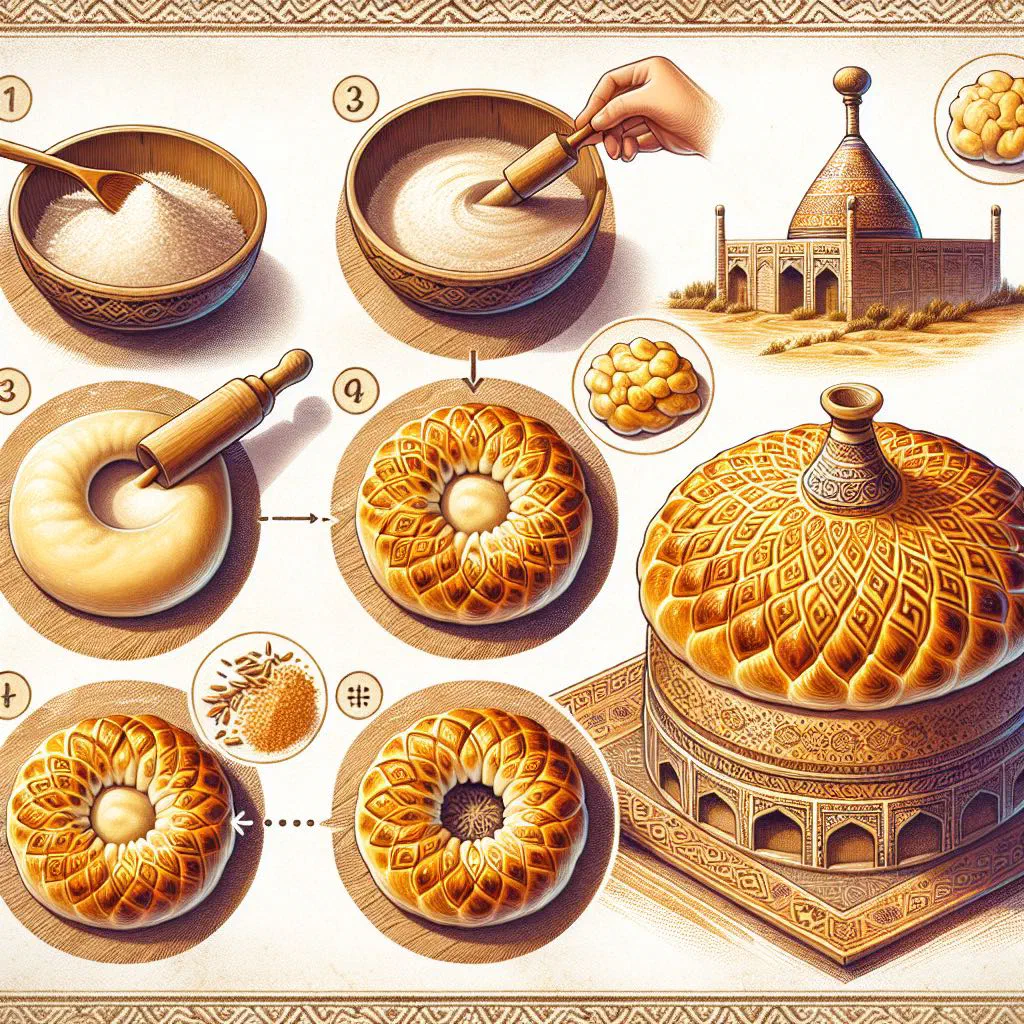
Before you start baking non, it pays to have everything laid out and ready. Begin by activating the yeast: dissolve it together with the sugar in warm water and leave it to stand until it foams. Meanwhile, tip the flour and salt into a large bowl. Combining the dry ingredients thoroughly at this stage gives you an even dough structure later on.
Step-by-step instructions
- Combine the flour and the salt in a large mixing bowl.
- Pour in the activated yeast mixture and stir well.
- Gradually add the warm water and work everything into a smooth dough.
- Knead the dough thoroughly for about 10 minutes, until it is elastic.
- Cover the dough and leave it to rise in a warm place for 1 hour.
- Knock back the risen dough briefly, divide it into portions and shape into rounds.
- Place the rounds on a baking tray lined with baking parchment and rest for a further 30 minutes.
- Bake in a preheated oven at 220 °C for 15–20 minutes, until golden brown.
Gluten-free / lactose-free version
For a gluten-free version of non, use a gluten-free flour blend that is specifically suited to baking. Check that every other ingredient is gluten-free too, so there is no risk of cross-contamination. The recipe is naturally lactose-free, since vegetable oil rather than butter keeps the dough supple. That way everyone can enjoy this delicious Tajik bread.
Tips for vegans and vegetarians
The recipe for non is naturally vegan, as it contains no animal products at all. You can go a step further by using raw cane sugar or agave syrup in place of ordinary sugar. When it comes to brushing the shaped rounds, plant-based oils work every bit as well as butter. The bread stays just as flavourful while remaining entirely vegan, much like the yoghurt-free approach you might take with Chakka Paratha.
More tips and tricks
Here is a small trick for an especially crisp non: place a bowl of water on the floor of the oven while it bakes. The humid environment helps the crust develop properly. Preheating the baking tray also makes a difference, as the dough hits the heat immediately and holds a better shape. You can also work caraway seeds or sesame into the dough for an extra layer of aroma.
Adapting the recipe to your taste
Non is easily tailored to your own palate. If you prefer it sweeter, add a little more sugar or experiment with honey. Herbs are open to interpretation too. Try thyme or basil for an unusual twist. Small changes like these turn the loaf into something that suits your table exactly.
Ingredient substitutions
If a particular ingredient is not to hand, there is almost always an alternative. Dried yeast stands in perfectly well for fresh yeast, though the quantity needs adjusting accordingly. If you have no wheat flour, try spelt flour or a mix of different flours. Swaps like these often lead to interesting results and entirely new flavours.
Drink pairing ideas
Plenty of drinks go beautifully with a piece of warm non. Traditionally it is served with green tea, which underlines the flavours of the meal while staying light and refreshing. Hot milk or a yoghurt drink such as Doogh, finished with a hint of mint, works wonderfully too. These pairings round out the meal and reflect the way Tajik food is really eaten.
Serving and presentation ideas
An appealing presentation makes the bread even more inviting. Serve the non straight from the oven on a handsome wooden board for a rustic look. Tear or cut it into pieces and set it out with a selection of spreads or dipping sauces, a bowl of Chaka is a natural match. Details like these add not only visual appeal but extra flavours and textures for your guests.
A bit of history
Non has a long and meaningful history in Tajik culture. In many households baking the bread at home remains a tradition, with recipes passed down from one generation to the next. It stands for togetherness and family bonds, since sharing fresh bread is so often the starting point for a sociable gathering. It also reflects the craft and dedication of the bakers who uphold the finest ingredients and techniques of Tajik cuisine.
More recipe ideas
Summary: Non
Tajik non is far more than a simple flatbread; it is a culinary symbol of hospitality and community. With its crisp crust and airy crumb it complements any meal and enriches the wider Tajik kitchen. Preparation is straightforward and endlessly adaptable, so there is a version to suit everyone. With a piece of non you bring not only a delicious bake to your table, but a genuine slice of Tajik culture into your home.