National Dish Tajikistan: Obi Non (Recipe)
In this article
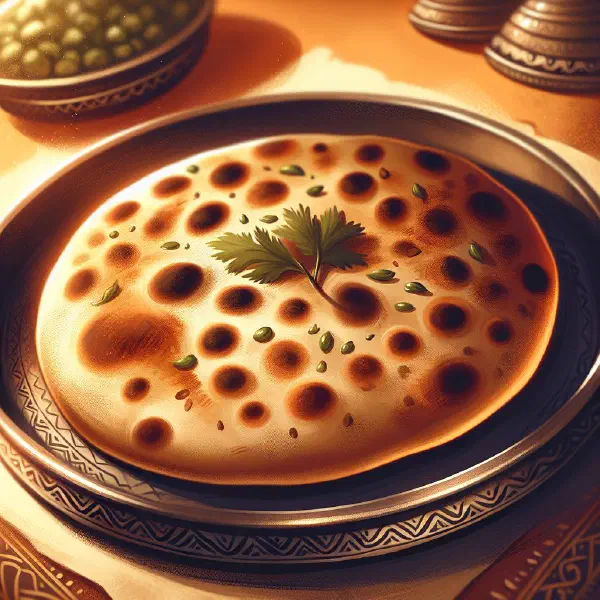
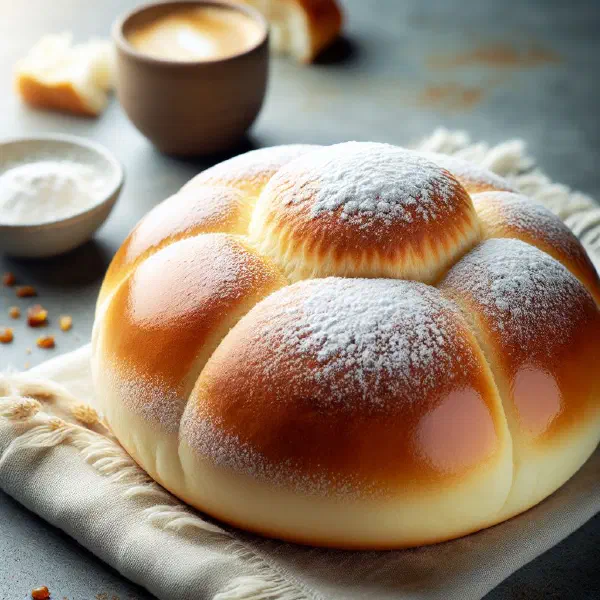
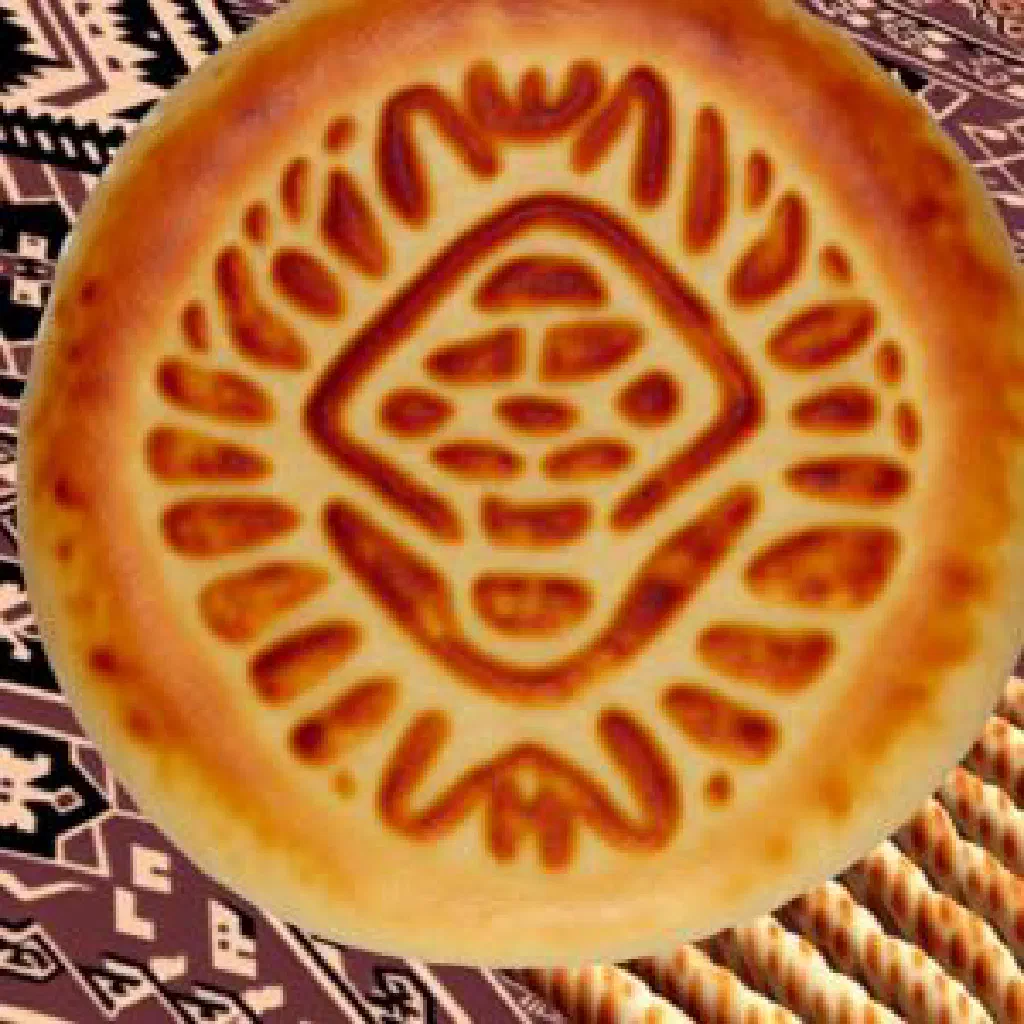
Few things say welcome in Central Asia quite like a warm round of Obi Non. This traditional Tajik flatbread has a burnished, crackling crust and a soft, airy crumb that tears apart beautifully at the table. Baked against the scorching wall of a clay oven, it carries a gentle smokiness that no packet bread can match, and with a little patience you can bake a very convincing version in a domestic oven. Serve it with soup, stews or simply with butter, and you have the heart of a Tajik meal.
About Obi Non
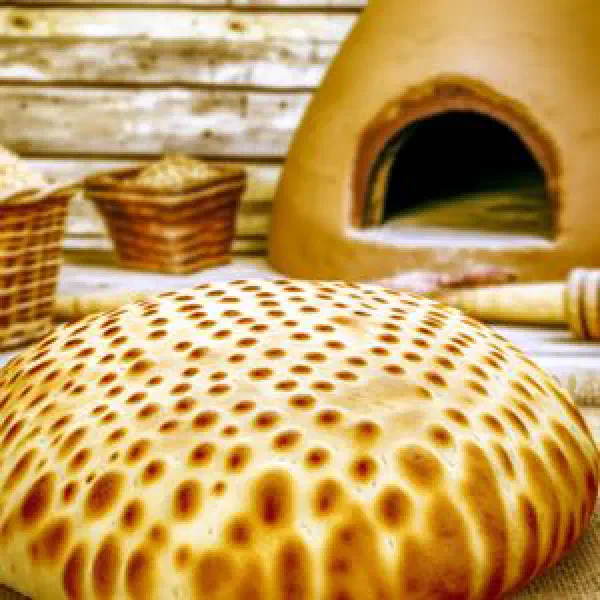
Obi Non is a traditional Tajik flatbread served alongside a huge range of dishes. With its crisp crust and soft, airy interior, this bread is a staple not only in Tajikistan but throughout Central Asia. It is most often baked in a clay oven, or tandoor, which gives the loaf its characteristic flavour and blistered surface. With this recipe you can bring Tajik cooking into your own kitchen and treat everyone at the table to something genuinely special.
Ingredients (serves 1–2)
- 250 g plain flour
- 150 ml warm water
- 1 teaspoon salt
- 1 teaspoon sugar
- 1 teaspoon dried yeast
Shopping for the ingredients
Choosing the right ingredients makes all the difference to obi non. Fresh flour and lively dried yeast matter most, as they determine how well the dough rises. Look for good-quality basics if you want to reach that authentic flatbread flavour, cheap, stale yeast is the usual culprit behind a flat, dense loaf. Everything you need should be easy to find in an ordinary supermarket or a specialist Asian grocery.
Preparing the dish
Before you start making obi non, gather and weigh out all your ingredients. This keeps the process tidy and far less chaotic once the dough is underway. While you assemble everything, warm the water to a comfortable, blood-warm temperature. That warm water is what wakes the yeast up and gives the dough the elasticity it needs to stretch into a proper round.
Step-by-step instructions
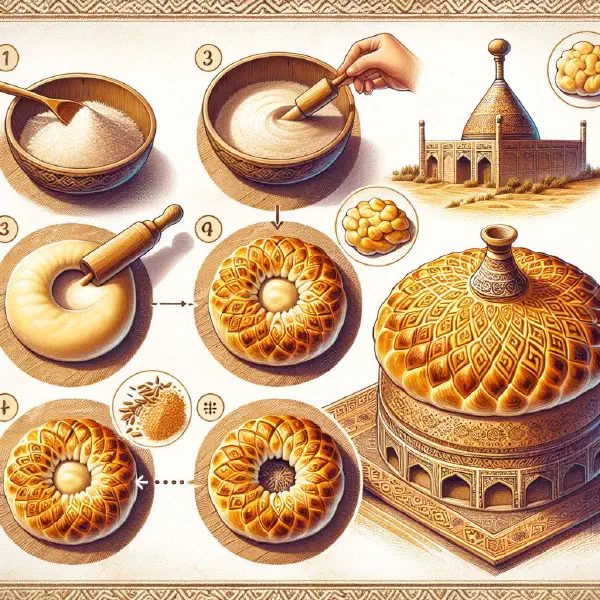
- Mix the yeast, sugar and warm water in a bowl and leave for 10 minutes, until foaming.
- Put the flour and salt into a large bowl and combine well.
- Add the yeast mixture to the dry ingredients and knead to a smooth dough.
- Leave the dough to rest in a warm place for 1 hour, until doubled in size.
- Turn the dough out onto a floured surface and shape into flat rounds.
- Place the rounds on a baking tray and bake in a preheated oven at 220°C for about 15–20 minutes.
Gluten-free / lactose-free version
For a gluten-free obi non, swap the ordinary flour for a gluten-free blend. Choose a mix that is specifically intended for bread-making, otherwise the crumb will struggle to hold together. Lactose-free or plant-based milk is an easy way to adapt the recipe for vegans and anyone who is lactose intolerant. With these small changes, cooks on almost any diet can enjoy this delicious flatbread.
Tips for vegans and vegetarians
The recipe for obi non is naturally vegan, as it contains no animal products at all. For an extra dimension, work herbs or spices into the dough, or brush the baked rounds with olive oil while they are still hot. Experiment with different fillings if you want a broader range of flavours. Adapting the flatbread to your own preferences is what makes each batch personal.
More tips and tricks
To bake the perfect obi non, preheat the oven thoroughly so the temperature stays constant when the dough goes in. Keep a close eye on the bake so the rounds do not scorch, and turn the tray halfway through if your oven has hot spots. A tray of water in the oven helps create the steam that bread baking benefits from, giving a better rise and a glossier crust. Let the finished bread cool a little so the crust stays crisp while the inside remains soft.
Adapting the recipe to your taste
Obi non is remarkably versatile and easy to adjust to personal preference. Add herbs such as rosemary or thyme to the dough for an aromatic note, or scatter sesame and nigella seeds over the top before baking. Some bakers prefer a sweeter version and stir in a little honey or cinnamon. That adaptability makes this bread an excellent canvas for a bit of creativity in the kitchen.
Ingredient substitutions
If you have no dried yeast to hand, fresh yeast works perfectly well. Use roughly three times the weight. For a gluten-free loaf, most gluten-free flours will do, provided they are formulated for bread. You can also replace the water with plant-based milk to give the dough a richer flavour, much as you would when making a softer bread such as Kulcha. Experimenting with different ingredients often leads to unexpected and equally delicious results.
Drink pairing ideas
Plenty of drinks suit a good flatbread like obi non. A refreshing yoghurt drink such as Doogh or a sweet-sharp pomegranate juice make excellent companions. For something warmer, serve green tea or a herbal tea, a milky Shirchai is the classic breakfast choice. The right drink lifts the whole meal and creates a pleasing balance of flavours.
Serving and presentation ideas
The way you present obi non can add a great deal to the occasion. Lay the rounds on a rustic wooden board and serve them with a selection of dips such as aioli, hummus or a fresh salsa. Torn into pieces, the bread is also the backbone of Kurutob, where it soaks up a tangy dressing of dried yoghurt balls. Garnish the board with fresh herbs to add colour and freshness, an inviting spread makes guests curious before they have taken a single bite.
A bit of history
Obi non has a long tradition in Tajik culture and has been baked in countless variations for centuries. Historically the bread was treated as a symbol of hospitality, shared between friends and families at feasts and gatherings. It stands for far more than sustenance: it represents friendship, community and the culinary heritage of Tajik cuisine. Every baker has their own recipe and their own stamped pattern for the centre, which is why the breads vary so richly from one bakery to the next.
More recipe ideas
Summary: Obi Non
Obi non is a simple but wonderfully satisfying flatbread that you can bake at home in an afternoon. With only a handful of carefully chosen ingredients, you can bring the taste of Tajikistan to your table. Straight from the oven, or pair it with dips and side dishes, this bread is a fine addition to any meal. Give it a try and step into the fascinating world of Tajik cooking.