National Dish Tajikistan: Osh (Recipe)
In this article
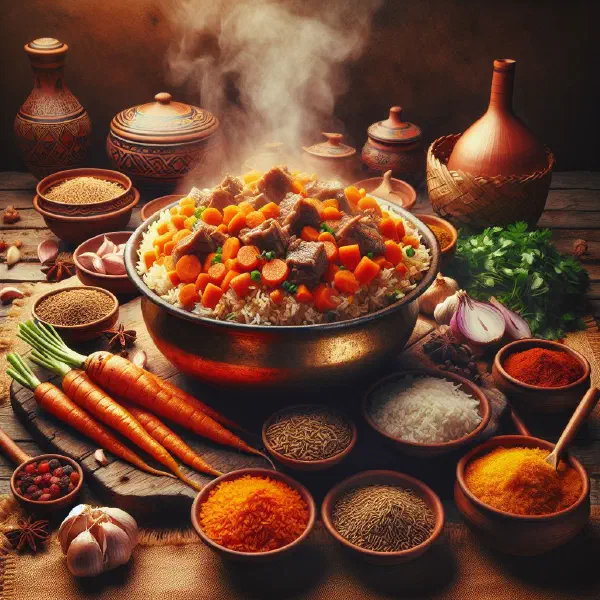
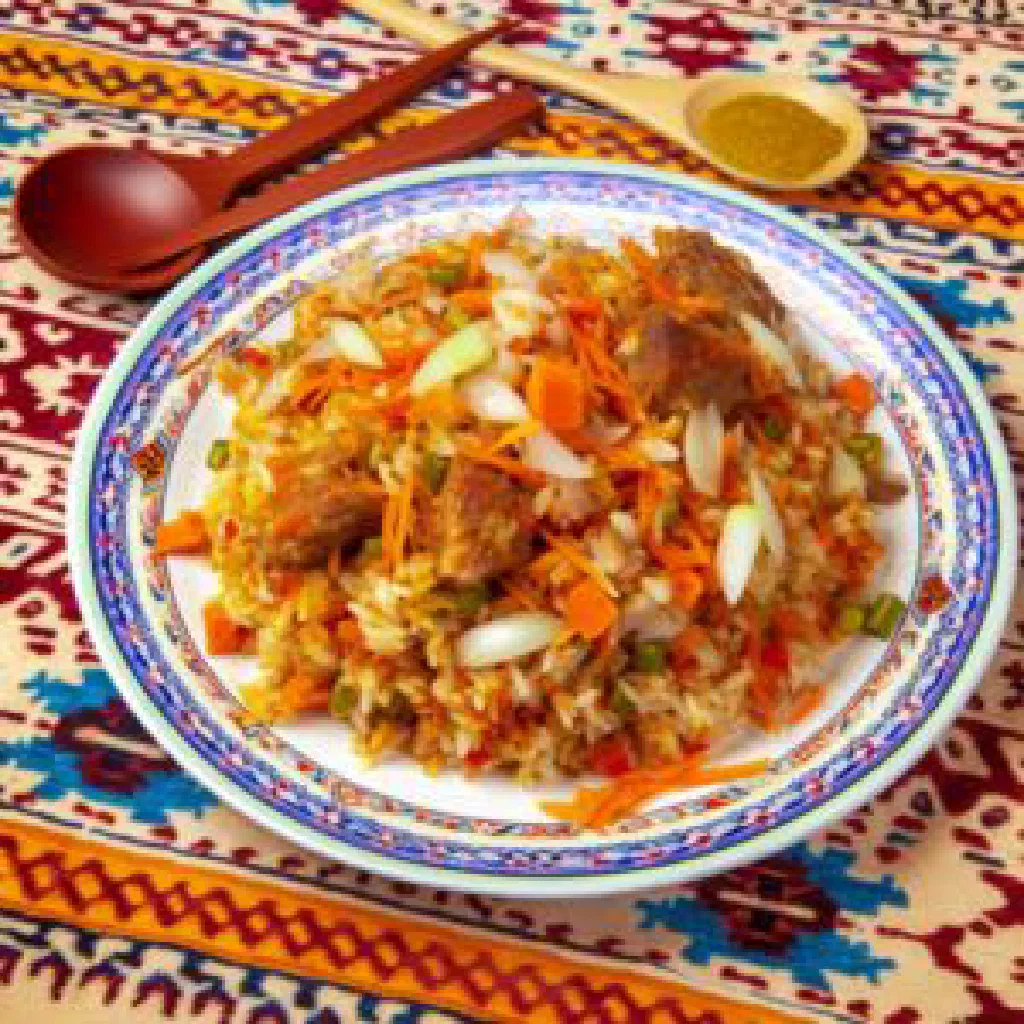
Meet Osh, the golden rice dish that sits at the very heart of Tajik hospitality. Tender lamb, sweet carrots and a warm handful of cumin slowly steam together with rice until every grain glistens. It is the dish that appears whenever there is something worth celebrating, a wedding, a homecoming, or simply a table full of friends. Cook it once and you will understand why Tajiks say a meal without osh is not really a meal at all.
About Osh
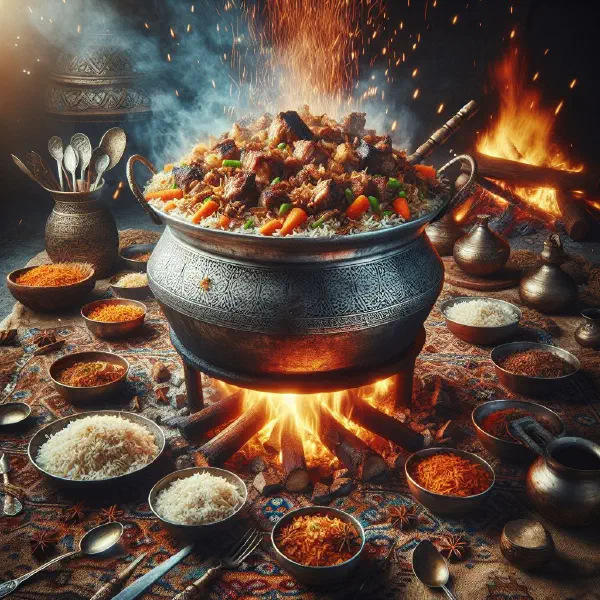
Osh is far more than a recipe; it is a symbol of Tajik culture and hospitality. This generous rice dish is traditionally built around lamb or chicken, aromatic spices and fresh vegetables, all cooked together in a single deep pot. It appears at almost every festive occasion, and the making of it is itself a cherished part of Tajik tradition, often a task for the host rather than the cook. Every mouthful offers a distinctive combination of flavours that draws you straight into the warm, welcoming atmosphere of a Tajik home.
Ingredients (serves 1–2)
- 200 g rice
- 300 g lamb or chicken
- 2 large onions
- 1 large carrot
- 2 cloves of garlic
- 1 teaspoon cumin
- 1 teaspoon paprika
- Salt and pepper to taste
- Oil for frying
- Fresh herbs, to garnish
Shopping for the ingredients
Choosing fresh ingredients makes all the difference to a good osh. Most of what you need, rice, lamb or chicken and vegetables, is easy to find at a local market or in any well-stocked supermarket. Take care to pick good-quality meat, as it carries much of the dish’s depth of flavour. Many regions also stock their own spice blends, and these regional touches lend the finished dish a genuinely authentic note.
Preparing the dish
Getting osh right depends on a handful of straightforward preparatory steps. Begin by cutting the meat into small pieces and preparing the onions and the rest of the vegetables. Measuring the spices carefully matters here, because they give the dish its characteristic aroma, too heavy a hand and the delicate sweetness of the carrots disappears. Careful preparation is the key to a relaxed cooking session and an outstanding result on the plate.
Step-by-step instructions
- Heat a little oil in a large, deep pot.
- Add the onions and fry until golden.
- Add the meat and brown it well on all sides.
- Stir in the carrots and the garlic and fry briefly.
- Add the rice and the spices, mixing everything together thoroughly.
- Pour in enough water to cover the rice and bring to the boil.
- Reduce the heat, cover the pot and leave to simmer until the rice is tender.
- Garnish with fresh herbs just before serving.
Gluten-free / lactose-free version
Osh is easily made gluten-free and lactose-free, since the main ingredients are simply rice and meat. Do check the spices and oil you use, as hidden gluten or dairy derivatives occasionally turn up in ready-made blends. In place of ordinary oil you can reach for a light plant-based oil, which makes for an even lighter preparation. This makes osh a wonderfully easy dish to digest for anyone with particular dietary needs, much like the yoghurt-free approach to a classic Shakarob.
Tips for vegans and vegetarians
Vegan and vegetarian versions of osh are simple to put together. Replace the meat with hearty vegetables such as aubergine, courgette or chickpeas, which soak up the spices beautifully. Use vegetable stock instead of meat stock to keep the savoury depth intact. These swaps mean vegetarians and vegans can enjoy this classic without giving up any of its flavour.
More tips and tricks
Good technique makes all the difference. Be sure to brown the meat and vegetables properly before the rice goes in, as this releases an extra layer of flavour that carries through the whole pot. It is well worth washing the rice beforehand to rinse away excess starch, which keeps the grains separate rather than sticky. Experiment with different spices to tune the dish to your own palate and discover new combinations along the way.
Adapting the recipe to your taste
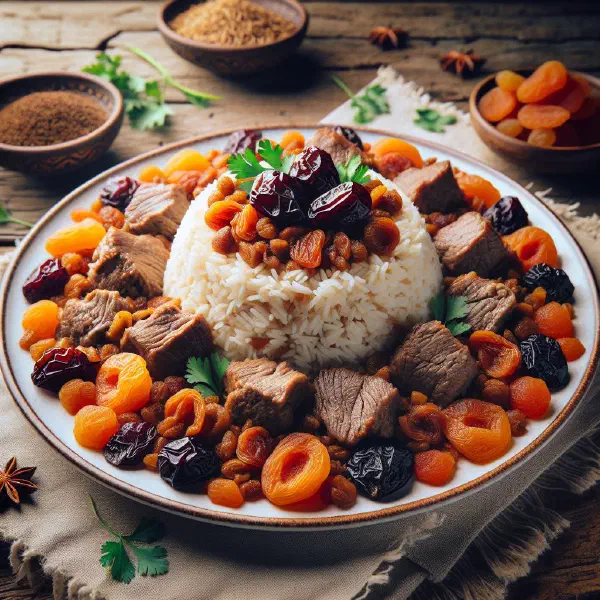
Everyone has their own preferences when it comes to flavour and texture, and osh adapts willingly. Add extra vegetables or switch the type of meat entirely to suit what you like best. If you prefer things hotter, simply stir in more chilli or pepper. For a sweeter note you can even work in dried fruit such as raisins, which gives the dish an appealing complexity, a trick borrowed from richer pilafs like Kabuli Pulao.
Ingredient substitutions
If certain ingredients are not to hand, there are plenty of alternatives that will not compromise the result. Beef or chicken breast both stand in happily for lamb. Instead of the usual spices, an Asian spice blend can introduce interesting new flavours. This flexibility makes osh a genuinely versatile dish, easily shaped around whatever happens to be in your kitchen.
Drink pairing ideas
The right drink can lift the whole osh experience. A refreshing green tea is the traditional accompaniment and rounds off the flavours neatly, while a cup of Shirin Chai offers a sweeter alternative. Fruity lemonades or homemade juices made with seasonal fruit work well too. Alcoholic options such as wine or beer are also perfectly good choices, with something light making the ideal partner for such a hearty dish.
Serving and presentation ideas
Presentation plays a real part in making osh very good. Serve the dish in a traditional bowl and garnish it with fresh herbs or toasted nuts for extra colour. Colour-coordinated side dishes improve not only the look of the table but the eating as well. We eat with our eyes first, and a thoughtfully arranged platter will impress your guests before they have taken a single bite.
A bit of history
The story of osh is rooted deep in Tajik culture, reaching back to the ancient civilisations of the region. The art of preparing rice dishes is thought to have been handed down from generation to generation for centuries. Along the historic trade routes of the Silk Road, this dish played a significant part in the culinary traditions of Central Asia and remains a cornerstone of Tajik cuisine. Osh matters not only as food but as a symbol of community and belonging.
More recipe ideas
Summary: Osh
Osh is, in short, an indispensable part of Tajik culture and cuisine. With its hearty flavour and its knack for bringing communities together, it reflects traditions passed down through the generations. This dish will enrich the way you think about food. Discover the many faces of osh and let its aromas win you over.