National Dish Tajikistan: Salomat (Recipe)

In this article
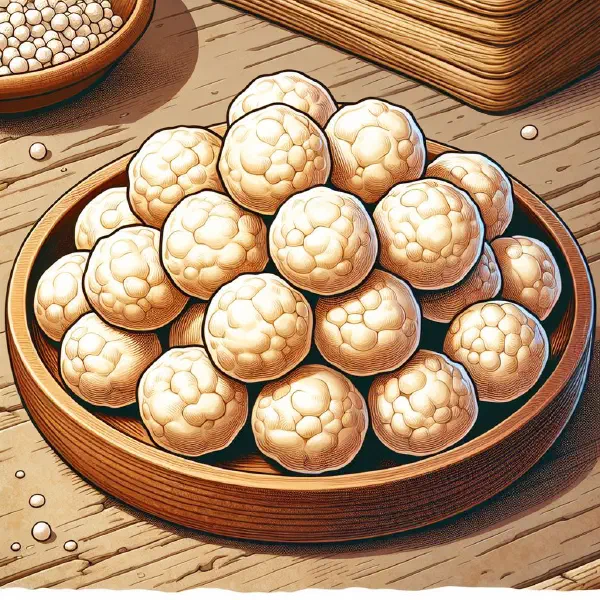
Meet Salomat, a savoury Tajik pastry parcel packed with fresh herbs and warm spices. Crisp and golden on the outside, fragrant and green within, it is the kind of snack that appears whenever friends gather or a celebration calls for something special. Simple to make and endlessly satisfying, Salomat brings the flavours of Central Asia straight to your kitchen table.
About Salomat
Tajik cooking is rich in traditions and bold aromas, and Salomat is a fine example of both. This traditional dish is a hearty pastry filled with fresh herbs and fragrant spices, a treat for the palate and a feast for the eyes alike. It is often served at celebrations or relaxed get-togethers, where the golden parcels disappear from the plate almost as soon as they arrive. Few dishes capture the warmth of Central Asian hospitality quite so neatly.
Ingredients (serves 1–2)
- 200 g plain flour
- 1 teaspoon salt
- 100 ml water
- 100 g fresh herbs (coriander, parsley)
- 1 onion
- 1 teaspoon cumin
- Oil, for frying
Shopping for the ingredients
Before you start making Salomat, it is worth sourcing every ingredient as fresh and as good in quality as you can. Visit your local market or an Asian grocery to track down the freshest herbs. Choose a good-quality flour, as it makes a noticeable difference to the finished dough. The spices matter too: a fragrant, well-stored cumin will shape the character of the whole dish.
Preparing the dish
Preparation for Salomat is straightforward, but it is an important stage all the same. Begin by mixing the flour, salt and water in a bowl until you have a smooth, pliable dough. Leave it to rest for around 30 minutes so it relaxes and develops the right texture. Meanwhile, finely chop the herbs and onion and combine them with the spices to make the filling. A similar resting technique underpins the dough for Bichak.
Step-by-step instructions
- Roll the dough out thinly on a floured surface.
- Cut it into equal-sized pieces.
- Place a spoonful of the prepared filling in the centre of each piece.
- Seal the edges firmly so nothing escapes during cooking.
- Heat a little oil in a frying pan and fry the filled parcels until golden brown.
- Drain the Salomat on kitchen paper and serve warm.
Gluten-free / lactose-free version
For a gluten-free version of Salomat, use one of the gluten-free flour blends now widely stocked in supermarkets. Check that every other ingredient is gluten-free too, so there is no risk of cross-contamination. If your filling includes butter or milk, a neutral plant oil makes an easy lactose-free swap. That way anyone with a lactose intolerance can enjoy this delicious dish without hesitation.
Tips for vegans and vegetarians
For a vegan take on Salomat, simply prepare the dough without egg and use plant oils throughout. Keep the filling free of animal products by sticking to vegetables and herbs alone. A mixture of different vegetables adds welcome flavour and texture, and vegans can stir in nuts or pulses for extra protein. The same plant-based thinking works beautifully in Boulani.
More tips and tricks
To get the very best flavour from Salomat, use fresh herbs, their fragrance and taste are far more vivid than dried. Experiment with different spices to create a signature version of your own. Frying in a properly preheated pan is what gives the pastry its lovely crisp finish. You can also bake the parcels in the oven for a lighter alternative.
Adapting the recipe to your taste
The Salomat recipe adapts easily to personal preference. Add different vegetables, or even a little cheese, to vary the filling as you please. The herbs can change too, depending on what is in season or simply what you enjoy most.
Ingredient substitutions
If a few ingredients are missing, there are still plenty of ways to make Salomat work. Dried spices can stand in for fresh herbs, though you will want to use less, as their flavour is far more concentrated. Leeks make a gentler substitute for onion if you prefer a milder note. The important thing is to keep the filling tasty, so nothing is lost in the quality of the finished dish.
Drink pairing ideas
Salomat pairs happily with a wide range of drinks. Traditionally, black tea or kefir is served alongside, as both complement the savoury flavours nicely, much like the yoghurt notes in Chaka. For something more refreshing, try sparkling water with lemon or an ice-cold fruit smoothie. These drinks quench the thirst and add another dimension of flavour to the meal.
Serving and presentation ideas
The way you present Salomat can make a real impression. Serve the parcels on an attractive plate with fresh herbs or a crisp salad alongside. Small bowls of sauces or dips encourage an interactive, shared style of eating. Garnishes of edible flowers or scattered herbs lift the presentation further and turn the dish into a genuine centrepiece.
A bit of history
Salomat is more than a recipe; it carries the traditions and history of Tajikistan within it. The dish is closely associated with hospitality and community, appearing at everyday gatherings and festive occasions alike. Preparing and sharing Salomat forms part of cultural ritual, encouraging the exchange of stories and memories around the table. It is a symbol of the rich culture and generous flavours of Tajik cuisine.
More recipe ideas
Summary: Salomat
Salomat is an outstanding example of Tajik cooking, winning people over with its fresh herbs and hearty, savoury flavours. Whether at a festive occasion or a simple gathering of friends, this dish brings an authentic piece of Central Asia to your dining table. With careful preparation and a little thought given to presentation, Salomat is not only a pleasure to eat but a pleasure to look at. Let Tajik culture inspire you and enjoy every golden, herb-filled bite.