National Dish Tajikistan: Shurbo (Recipe)
In this article
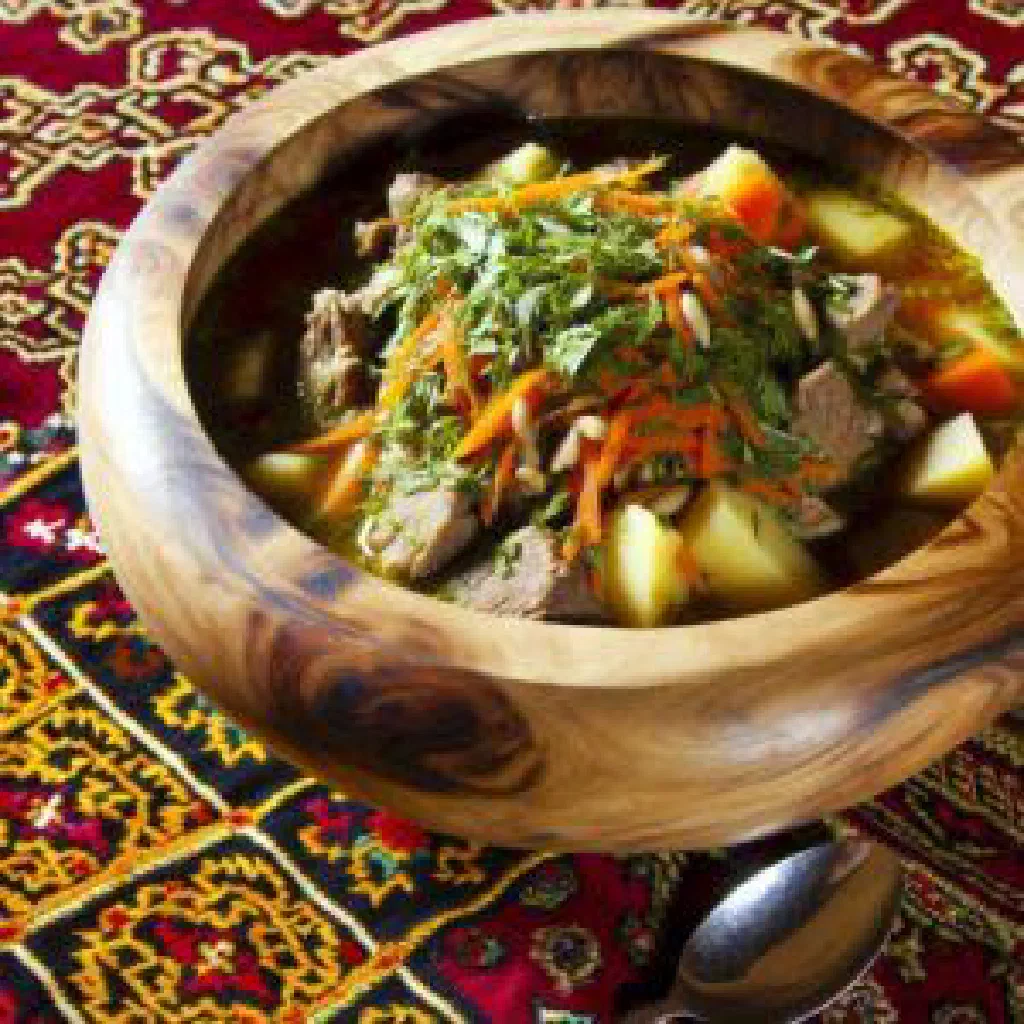
Discover Shurbo, the soul-warming national dish of Tajikistan. This fragrant lamb and vegetable soup simmers slowly until the meat falls apart and the broth turns golden and deeply savoury. Chickpeas, potatoes and carrots give it real substance, while fresh herbs lift every spoonful. It is the kind of dish that fills a kitchen with the scent of Central Asian hospitality long before it reaches the table.
About Shurbo
Shurbo is far more than a soup. It is a piece of Tajik culture, history and hospitality gathered in a single pot. This hearty, traditional dish embodies the generous, welcoming cooking of Tajikistan. What makes it so special is the combination of nourishing lamb, fresh vegetables and aromatic herbs, which melt together into a comforting whole. As a national dish, shurbo is equally at home at festive gatherings and on the everyday table, standing for togetherness and simple pleasure, much like a bowl of Aush.
Ingredients (serves 1–2)
- 300g lamb, cut into cubes
- 1 large onion, finely chopped
- 2 carrots, cut into strips
- 3 potatoes, diced
- 1 tomato, skinned and diced
- 1 small handful of chickpeas, soaked and rinsed
- 2 tablespoons vegetable oil
- 1 litre meat stock
- 2 bay leaves
- Salt, pepper and other spices to taste
- Fresh herbs such as coriander or parsley, to garnish
Shopping for the ingredients
Choosing the right ingredients is decisive for an authentic result. Buy fresh lamb from a butcher you trust and look for fresh, seasonal vegetables. Chickpeas are available dried or ready-cooked in tins. If you go for the dried kind, remember to soak them overnight so they cook evenly in the pot.
Preparing the dish
Begin with the chickpeas, soaking them overnight unless you are using pre-cooked ones. Cut the meat and the vegetables in advance to make the cooking process simpler and quicker. Use a large, deep pan or a heavy pot so you can comfortably sauté and then slow-simmer all the ingredients together in one vessel.
Step-by-step instructions
- Heat the oil in a large pot and fry the onions until golden brown.
- Add the meat and brown it on all sides.
- Add the carrots and let them cook briefly with the meat.
- Stir in the chickpeas, potatoes and tomatoes and mix everything well.
- Pour in the stock, bring to the boil and add the bay leaves, salt and pepper.
- Let the soup simmer over low heat until the meat and vegetables are tender (about 1 hour).
- Taste, adjust the seasoning if needed, then stir through the fresh herbs.
Gluten-free / lactose-free version
Shurbo is naturally gluten-free as long as your stock contains no wheat-based thickeners, check the label or make your own from bones and vegetables. It is also lactose-free by default; if you like a creamy finish, use a plant-based yoghurt instead of soured cream. For soaking up the broth, serve a gluten-free flatbread rather than a traditional wheat Non.
Tips for vegans and vegetarians
The soup adapts beautifully to a meat-free table. Leave out the lamb, use a well-seasoned vegetable stock and add extra pulses such as chickpeas or white beans to keep it filling. A vegan version benefits from a little extra depth: a spoonful of tomato purée, a pinch of cumin and a generous handful of herbs make up for the missing meat. Root vegetables such as turnip or pumpkin add body and a gentle sweetness.
More tips and tricks
To make shurbo even richer, add a spoonful of soured cream or yoghurt just before serving. This lends the soup a pleasant creaminess and a refreshing note. Fresh flatbread is the classic partner, perfect for mopping up the delicious broth, a warm Obi Non is ideal. Skimming the broth in the first few minutes of simmering keeps it beautifully clear.
Adapting the recipe to your taste
The beauty of shurbo is how flexible it is. You can replace the lamb with beef or chicken, for instance. With the vegetables you have a free hand. Try parsnips instead of carrots, or add peppers for a sweeter touch. The soup also works wonderfully vegetarian: simply leave out the meat and use more vegetables and pulses instead.
Ingredient substitutions
If you dislike chickpeas or cannot tolerate them, swap them for other pulses such as white beans or lentils. Should fresh tomato be unavailable, tomato purée or tinned tomatoes make a good alternative. You are equally flexible with the seasoning: traditional spices can be replaced with local herbs and spices from your garden or market stall.
Drink pairing ideas
Green or black tea is the traditional companion to this hearty dish, complementing the flavours of the soup and making for a relaxed, unhurried meal. For a more Western pairing, a light red wine or a cool beer works splendidly and underlines the spicing. A tangy yoghurt drink such as Doogh is another refreshing choice.
Serving and presentation ideas
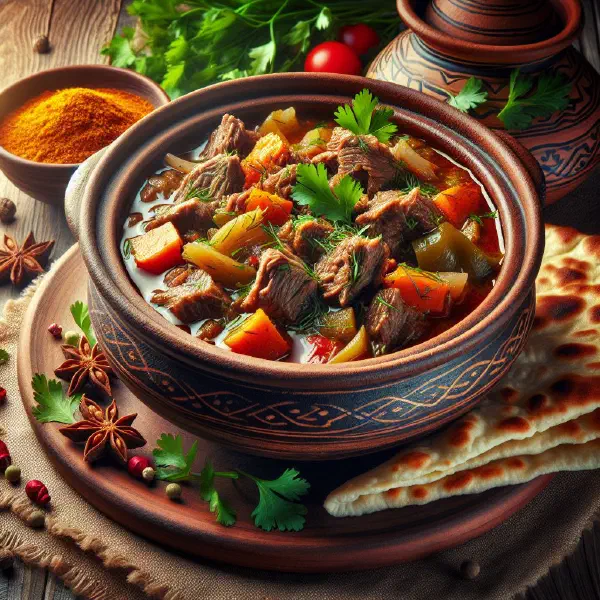
Serve shurbo in deep plates or bowls and garnish with a fresh sprig of coriander or parsley. A rustic, decorative flatbread placed right beside the soup makes the dish visually inviting and encourages dipping. Colourful plates or soup bowls bring out the shades of the vegetables and make for an appealing presentation.
A bit of history
The history of shurbo reaches far back into the Tajik past, where soups of every kind were a cornerstone of the food culture. The dish grew out of the need to prepare nourishing, filling meals from whatever local ingredients were available. It reflects the practice of keeping a well-stocked larder and the skill of Tajik home cooks in creating flavourful food from simple things, a thread that runs through all of Tajik cuisine.
More recipe ideas
Summary: Shurbo
Shurbo is a classic example of the warm, welcoming cooking of Tajikistan. With its rich aroma and abundance of ingredients, it offers a genuine insight into the food culture of the region. Because the recipe adapts so readily to personal taste, anyone can recreate this classic at home and experience a little of the Tajik way of life in their own kitchen.