National Dish Tajikistan: Tandoor Bread (Recipe)

In this article
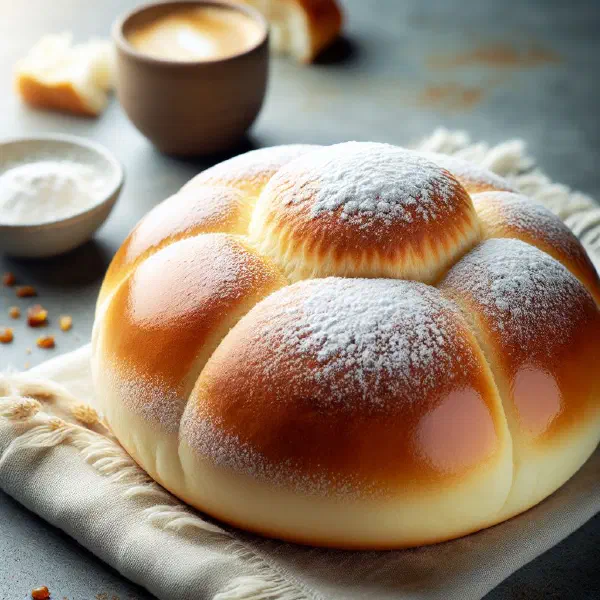
Few things sum up a Tajik table better than a round of freshly baked tandoor bread. Slapped onto the searing clay wall of a traditional oven, it comes out blistered and golden on the outside while staying soft and airy within. It is the everyday companion to hearty stews, grilled meats and sweet tea alike, and, torn warm from the loaf with a little butter or honey, it needs no accompaniment at all.
About Tandoor Bread
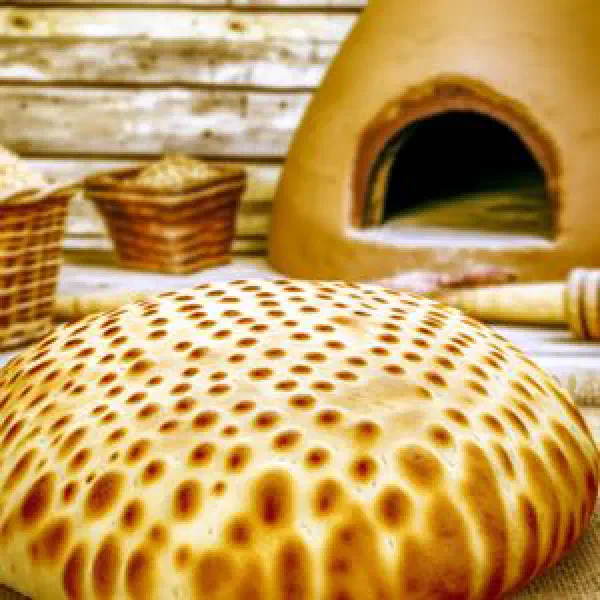
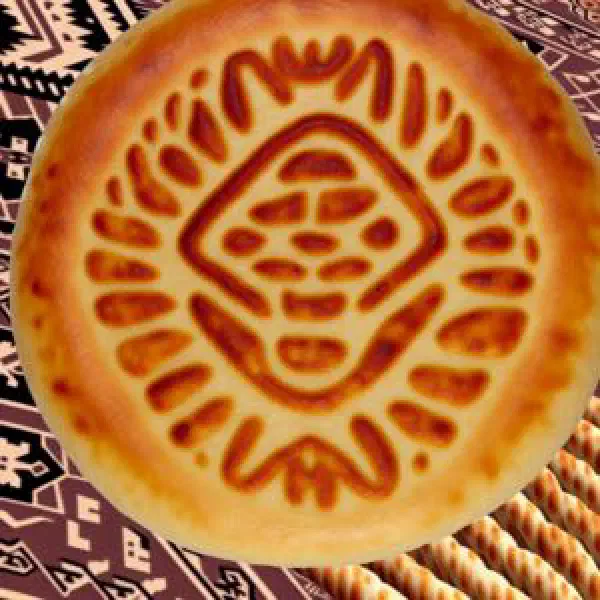
Tandoor bread is an essential part of Tajik cuisine and has grown over the centuries into a genuine national treasure. Baked in a traditional clay tandoor oven, this flatbread wins people over with its incomparable crispness and its fluffy texture. Its character comes above all from the special baking method, which leaves the bread golden-brown outside and tender inside. Ideal as a side to hearty stews or simply enjoyed with a little butter or honey, it offers an authentic taste of Tajikistan.
Ingredients (serves 1–2)
- 250 g plain flour
- 150 ml water
- 1 tsp salt
- 1 tsp sugar
- 1 tsp dried yeast or 25 g fresh yeast
- 1 tbsp vegetable oil
Shopping for the ingredients
When shopping for the ingredients for tandoor bread, it pays to pick high-quality, fresh produce. At a market or a good delicatessen you will often find special flours that are particularly well suited to this bread. Make sure to buy fresh yeast, as it is decisive for the rising stage the dough depends on. Vegetable oil can vary, but sunflower or olive oil work especially well to support the flavour.
Preparing the dish
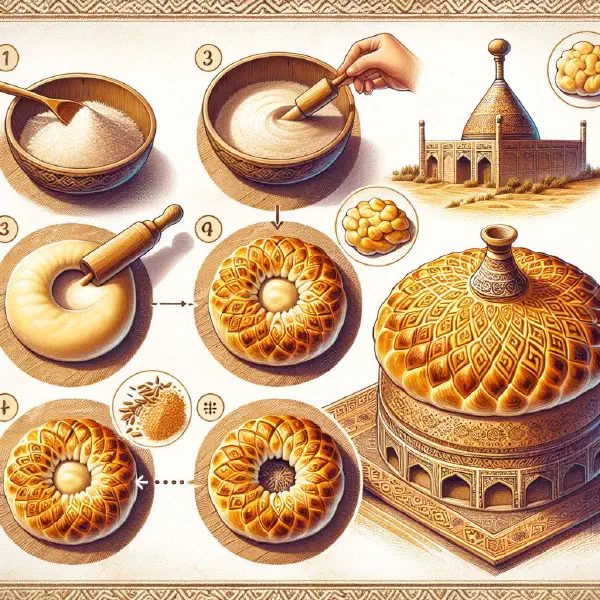
Preparing tandoor bread is straightforward and quickly done. First, set out all the ingredients and weigh them where needed, which simplifies the whole process. Next, dissolve the yeast in lukewarm water and leave the mixture to stand for a few minutes. This step matters: it makes sure the yeast becomes active so the bread rises properly.
Step-by-step instructions
- Tip the flour into a large bowl and mix it with the salt and sugar.
- Add the dissolved yeast and the vegetable oil, then combine everything thoroughly.
- Pour in the water slowly and knead the dough until it is smooth and supple.
- Cover the dough, leave it in a warm place and let it rest for 1 hour until risen.
- Knead the risen dough briefly once more and divide it into even portions.
- Shape each piece into a round flatbread and place it in the tandoor or on a baking tray.
- Bake until the top is golden-brown and a crisp crust has formed.
Gluten-free / lactose-free version
For a gluten-free tandoor bread, use a blend of gluten-free flours such as a combination of rice flour and potato starch. Take care to use a gluten-free yeast suited to recipes of this kind. Lactose-free versions are easy to manage as well, since most of the ingredients are lactose-free in any case. With these adjustments the bread turns out just as tasty and fluffy, yet suitable for anyone with food intolerances.
Tips for vegans and vegetarians
Vegans can adapt the recipe for tandoor bread to their taste with no trouble at all, as every ingredient is plant-based. Instead of animal fats such as butter, use vegetable oil, which lends the dough flavour without breaking the vegan principle. Herbs or spices can also be worked into the dough for extra flavour, giving the bread an interesting note and turning it into a special snack for any occasion.
More tips and tricks
An important factor when baking tandoor bread is the baking temperature. The tandoor oven should be properly preheated so the bread starts to cook the moment it goes in. Experiment with the thickness of the flatbreads to achieve the consistency you want: thicker rounds may need a little longer in the oven, while thinner ones crisp up faster. Baking parchment can also be helpful to stop the bread sticking.
Adapting the recipe to your taste
The tandoor bread recipe offers plenty of room for personalisation. Add ingredients such as herbs, spices or even cheese to create new flavours. Popular choices are garlic, cumin or sesame seeds, all of which give the bread a distinctive character. Experiment with different flours to achieve varying textures and tastes until you find your perfect loaf, much the same spirit in which cooks vary a Katlama or a Patyr Nan.
Ingredient substitutions
If you have no fresh yeast to hand, you can use baking powder instead to lift the dough. This alternative changes the flavour slightly but still delivers a tasty result. A good stand-in for vegetable oil is coconut oil, which gives the bread a subtle note of its own. Experimenting with alternative ingredients often leads to surprisingly delicious outcomes.
Drink pairing ideas
A number of drinks go beautifully with a good piece of tandoor bread. A classic tea, black or green, harmonises wonderfully with the bread and rounds off the meal, a fragrant Tarkhun Tea is a fine local choice. For a fruity change, try a fruit juice or a homemade lemonade, which sits well against the savoury flavour of the bread. Traditional Tajik drinks make an interesting addition too.
Serving and presentation ideas
Presentation plays an important part in the enjoyment of tandoor bread. Serve it on a rustic wooden board to create a warm, welcoming atmosphere. A few fresh herbs or a yoghurt dip with spices can enrich both the look and the taste considerably. Set the bread on the table alongside other traditional dishes, such as a bowl of Shurbo, to create an inviting meal.
A bit of history
Tandoor bread has its roots in the centuries-old baking traditions of Asia. It first became popular across the regions of Central Asia, where the tandoor oven counts among the oldest cooking methods of all. The technique spread over time through many different cultures and is today a treasured element of tradition in many countries. The sheer variety of preparations and ingredients shows how important this bread remains in the culinary world, and in Tajik cuisine above all.
More recipe ideas
Summary: Tandoor Bread
Tandoor bread is a delicious side to countless dishes and a journey into the heart of Tajik culture. Its simple preparation and its versatility make it a recipe for anyone keen to explore Central Asian cooking. This flatbread will pleasure your guests. Be bold, give the recipe a go, and discover the fascinating world of Tajik cooking.