National Dish Tanzania: Aubergine Curry (Recipe)

In this article
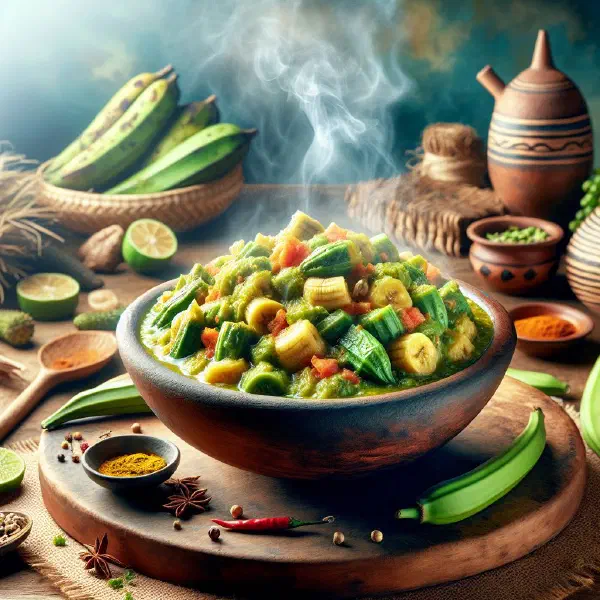
Meet Biringanya Curry, a fragrant Tanzanian favourite built around glossy black aubergines, ripe tomatoes and a handful of warming spices. Entirely vegan and gently earthy, it delivers the kind of deep, slow-simmered flavour that makes East African home cooking so memorable. It is simple enough for a weeknight, generous enough for guests, and a lovely way to bring a taste of the Swahili coast to your own table.
About Biringanya Curry
Biringanya Curry is a traditional dish from Tanzania that wins people over with its earthy, spiced character. The star ingredient, black aubergines, brings a silky texture along with plenty of valuable nutrients. Combined with fresh spices and juicy tomatoes, the result is a flavour experience that lingers on the palate. Because the curry is naturally plant-based, it makes an excellent choice for anyone who enjoys vegan cooking, and it sits comfortably alongside coastal staples such as Ugali.
Ingredients (serves 1–2)
- 2 medium black aubergines
- 2 large tomatoes
- 1 onion
- 2 cloves of garlic
- 2 cm fresh ginger
- 1 teaspoon cumin
- 1 teaspoon turmeric
- 1 teaspoon red chilli powder (to taste)
- 2 tablespoons vegetable oil
- Salt and pepper to taste
- Fresh coriander leaves, to garnish
Shopping for the ingredients
The ingredients for Biringanya Curry are available in most supermarkets and at local markets. Take care to choose fresh, ripe aubergines and tomatoes, as these have a considerable influence on the flavour of the finished dish. Buy good-quality spices so you get their full aroma rather than a dusty, faded one. Special touches such as fresh ginger and coriander are what give the curry its authentic character.
Preparing the dish
Before you start cooking the Biringanya Curry, it pays to have everything prepared. Cut the aubergines into cubes and soak them briefly in lightly salted water to draw out any bitterness. Finely chop the onion, garlic and ginger, since these form the aromatic base of the curry. This bit of groundwork makes sure the flavours come through exactly as they should.
Step-by-step instructions
- Heat the vegetable oil in a pan over a medium heat.
- Add the chopped onion and sauté until golden brown.
- Stir in the garlic and ginger and fry for another minute.
- Sprinkle in the cumin, turmeric and chilli powder and stir well.
- Add the diced aubergines and tomatoes, cover, and simmer until the aubergines are soft.
- Season with salt, pepper and fresh coriander, then serve.
Gluten-free / lactose-free version
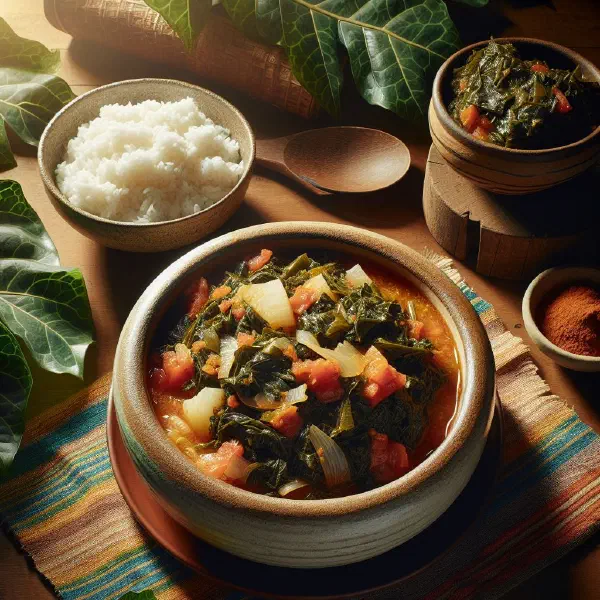
Biringanya Curry is naturally gluten-free and lactose-free, which makes it a great option for anyone with food intolerances. Just check that your chosen spice blends contain no hidden gluten-based fillers. The recipe is also highly adaptable, so it is easy to tailor to your own needs. Working with fresh, natural ingredients makes finding healthy alternatives straightforward, much as it does with a simple side of Mchicha.
Tips for vegans and vegetarians
Biringanya Curry is an excellent choice for vegans and vegetarians alike. It is rich in fibre and delivers a good range of vitamins thanks to all that fresh vegetable content. Swap the vegetable oil for another wholesome oil if you fancy exploring different flavours. Serving the curry with quinoa or wholegrain rice turns it into an even more nourishing meal.
More tips and tricks
To deepen the aroma of the curry, lightly toast the spices before adding them to the onions. Make sure the aubergines are properly cooked through so they turn soft and succulent rather than rubbery. A squeeze of lemon juice right at the end lifts the whole dish with a welcome freshness. Leftovers also keep beautifully in an airtight container in the fridge.
Adapting the recipe to your taste
The ingredients in Biringanya Curry are easy to adjust to personal preference. Add more vegetables such as courgette or peppers to broaden the mix. You can experiment freely with the spicing too: more chilli gives the dish extra heat, while a lighter hand produces a milder version. Above all, the curry should suit your own palate, so taste regularly as you cook.
Ingredient substitutions
If you cannot find black aubergines, ordinary aubergines work perfectly well, as do other vegetables such as courgette. The tomatoes can be replaced with passata or tomato purée for a deeper colour and a more concentrated flavour. Instead of coriander, try flat-leaf parsley for a different fresh accent. Substitutions like these keep the dish flexible and fuss-free, in the same spirit as a coconut-rich Maharagwe Ya Nazi.
Drink pairing ideas
A spiced Biringanya Curry goes best with lightly sweetened drinks or a refreshing lemonade. A mint and green tea infusion is another excellent choice, complementing the food while cleansing the palate. If you prefer something alcoholic, a light wheat beer or a rosé harmonises nicely without overwhelming the spices. Experiment a little to find your own perfect pairing.
Serving and presentation ideas
Presentation is an important part of any successful meal, and that goes for this curry too. Serve it in a deep bowl and garnish generously with fresh coriander leaves. A few lemon wedges on the side add an inviting touch. It looks particularly good served with rice or warm Chapati for a properly authentic spread.
A bit of history
Biringanya Curry is deeply rooted in African cooking and reflects the cultural diversity of Tanzania. The interplay of spices and fresh vegetables shows the influence of many different ethnic groups and culinary traditions, particularly along the Indian Ocean trade routes. Aubergines and tomatoes have been staples in African households for generations and stand as a symbol of how nourishing foods reshaped everyday eating. Cooking this dish means tasting a small piece of Tanzanian history, and a fine introduction to Tanzanian cuisine.
More recipe ideas
Summary: Biringanya Curry
Biringanya Curry is a wonderful way to enjoy the flavours of Tanzania. With straightforward ingredients and uncomplicated steps, it is both a small feast and a genuinely healthy option for everyone at the table. Fresh spices and ripe vegetables give it a taste you will not forget in a hurry. It is one of those dishes well worth trying if you want to discover the variety and richness of East African cooking.