National Dish Tanzania: Biryani ya Samaki (Recipe)
In this article
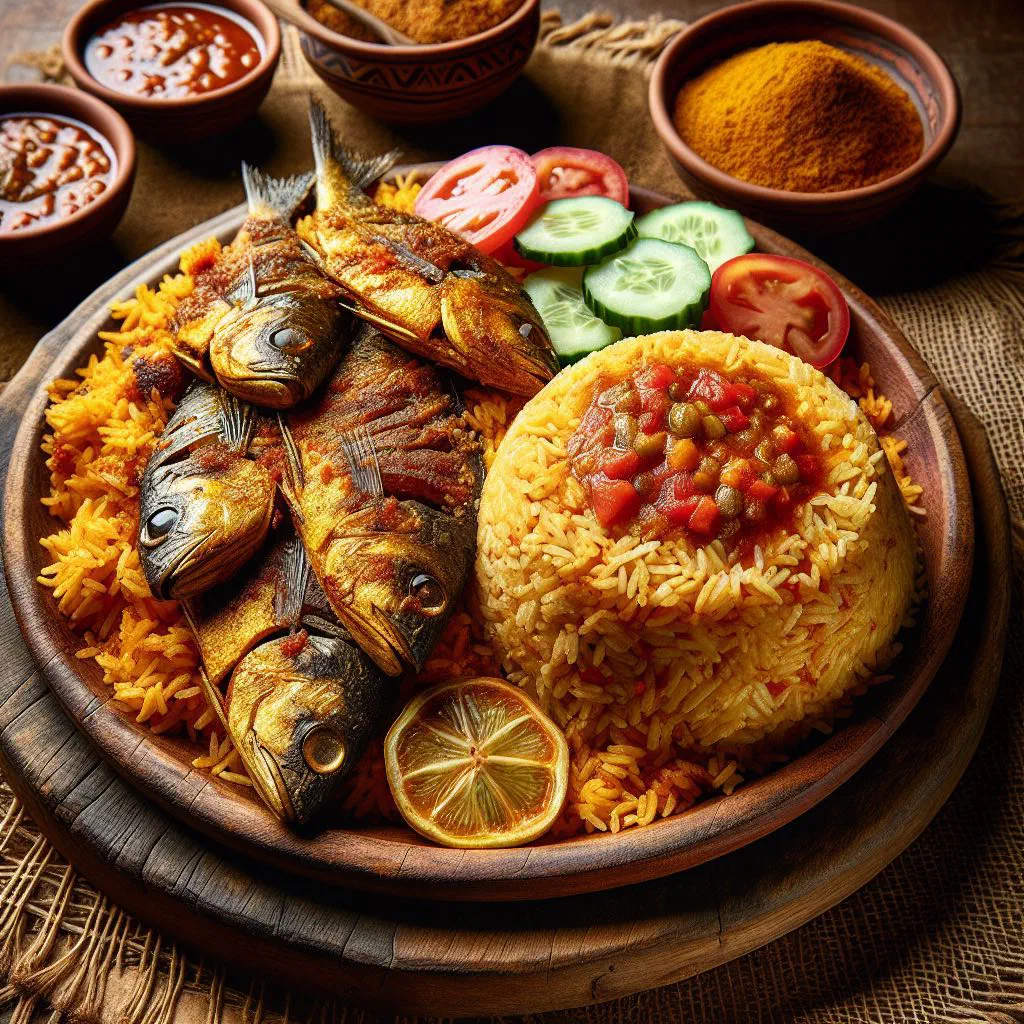
Discover Biryani ya Samaki, Tanzania’s fragrant celebration of the Indian Ocean coast. Freshly caught fish is layered with perfumed basmati rice and a warm cloud of spices, then left to steam until every grain carries the aroma. It is a dish born of trade winds and busy harbour markets, and it delivers the full colour of East African cooking in a single pot. One forkful and you are on the Swahili shore.
About Biryani ya Samaki
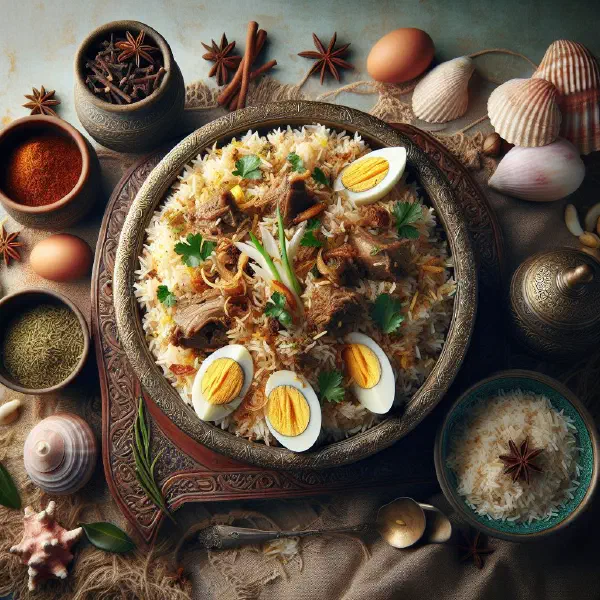
Biryani ya Samaki is a traditional, deeply aromatic rice dish from Tanzania, served above all along the coast. It brings together tender fish, fragrant basmati rice and a whole array of spices that lift and intensify the flavour. The dish owes its character to genuinely fresh ingredients, and the result is a proper feast of aromas. It is a much-loved national dish and a mirror of Tanzania’s culinary variety.
Ingredients (serves 1–2)
- 250 g basmati rice
- 200 g fresh fish (tilapia or mackerel, for example)
- 1 large onion, chopped
- 2 cloves of garlic, chopped
- 1 tsp fresh ginger, grated
- 1 tomato, diced
- 2 tbsp vegetable oil
- 2 tsp garam masala
- 1 tsp turmeric
- Salt and pepper to taste
- Fresh parsley or coriander, to garnish
Shopping for the ingredients
If you plan to cook Biryani ya Samaki, it pays to track down properly fresh ingredients. The fish should be as fresh as you can find it, since that is where most of the flavour comes from. Visit your local fishmonger or the seafood counter of a good supermarket to see what looks best on the day. Spices and rice are available in any well-stocked shop, and choosing quality products is worth the small extra cost. It rounds the whole dish off.
Preparing the dish
Before you start cooking, prepare everything thoroughly. Rinse the rice in cold water until the water runs clear, then leave it to soak for around 30 minutes. Meanwhile, cut the fish into bite-sized pieces and season them with a little salt and pepper. Prepare the vegetables and spices too, so that everything is within reach the moment the pot goes on the heat, the same calm groundwork that makes a good Pilau come together so easily.
Step-by-step instructions
- Heat the vegetable oil in a large pan and fry the chopped onion until translucent.
- Add the garlic and ginger and fry briefly until fragrant.
- Stir in the diced tomato along with the garam masala and turmeric, mixing everything well.
- Add the rinsed rice to the pan and toast it briefly in the spiced base.
- Lay the fish gently on top of the rice and pour in enough water to cover.
- Bring to the boil over medium heat, then lower the heat, cover the pan and cook gently for about 20 minutes.
- Take the pan off the heat and let it rest for a few minutes before serving.
- Garnish with fresh parsley or coriander and enjoy.
Gluten-free / lactose-free version
One great advantage of this dish is that it is naturally gluten-free and lactose-free. Do check, though, that every spice and ingredient you use is likewise free from gluten, particularly anything that has been processed. Stick to fresh produce and avoid pre-packaged items so the finished dish suits every diet at the table.
Tips for vegans and vegetarians
For a vegan or vegetarian version of Biryani ya Samaki, simply swap the fish for tofu or vegetables such as courgette, aubergine and peppers. These bring plenty of flavour and texture in their own right. Adjust the cooking time accordingly, since vegetables generally cook faster than fish. With the right spicing the dish stays every bit as satisfying, much like a hearty plate of Maharagwe ya Nazi.
More tips and tricks
To make your biryani even better, try grilling the marinated fish first for a smoky aroma. Experiment with further spices such as cumin or cloves to build new layers of flavour. Do not let the rice cook for too long, the grains should stay separate and just tender. The resting time after cooking matters too, as it lets the aromas settle right through the pot.
Adapting the recipe to your taste
Depending on your preferences, Biryani ya Samaki adapts easily. Add different vegetables, or vary the type of fish according to what looks good at the counter. Think about how much heat you want as well: extra chillies or pepper will sharpen the flavour considerably. Identify your favourite ingredients and experiment until the dish sits exactly where you want it.
Ingredient substitutions
If certain ingredients are not available, there are plenty of alternatives. Instead of basmati you can use jasmine rice or even quinoa, which gives an interesting texture. For the spices, ready-made blends are a practical stand-in when you do not have every jar to hand. Coconut milk also works beautifully in place of some of the cooking water, in the style of Samaki wa Nazi.
Drink pairing ideas
A well-made biryani goes wonderfully with refreshing drinks. Try a cool mango lassi or a fruity iced tea to complement the spicing. A lightly chilled white wine or an alcohol-free beer are excellent partners too. Sweet, milky chai in the style of Chai ya Maziwa rounds the meal off in a properly Tanzanian way. Choose something that underlines the flavours rather than competing with them.
Serving and presentation ideas
Presentation plays an important part in the enjoyment of this dish. Serve the biryani in a large, decorative bowl and garnish with fresh herbs and a slice of lemon for visual contrast. Colourful vegetables make the plate look livelier still. Small bowls of side dishes such as raita or a sharp Kachumbari will round the dinner off nicely.
A bit of history
Like many traditional Tanzanian dishes, Biryani ya Samaki has a history shaped by several cultures. The biryani technique came originally from Indian cuisine and adapted itself over time to local ingredients and tastes. Through the influence of Arab and African cooking traditions it developed into a speciality all of its own, enjoyed today in households up and down the coast. It is a symbol of hospitality within Tanzanian cuisine and is often served on special occasions.
More recipe ideas
Summary: Biryani ya Samaki
In short, Biryani ya Samaki is an incomparable dish that spoils the palate while remaining deeply rooted in Tanzanian culture. With its aromatic spices and fresh ingredients it unites the influences of several cuisines and offers a genuinely distinctive eating experience. Whether for a relaxed supper or a special occasion, it never fails to impress. Cook your own and let the sheer variety of aromas win you over.