National Dish Tanzania: Chapati (Recipe)
In this article
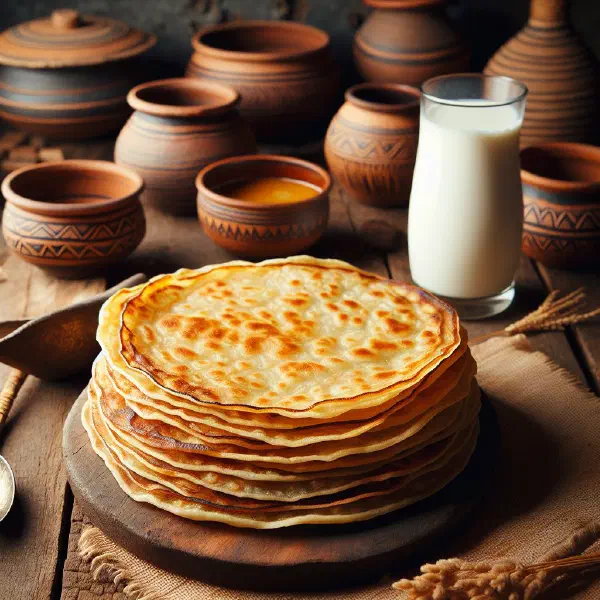
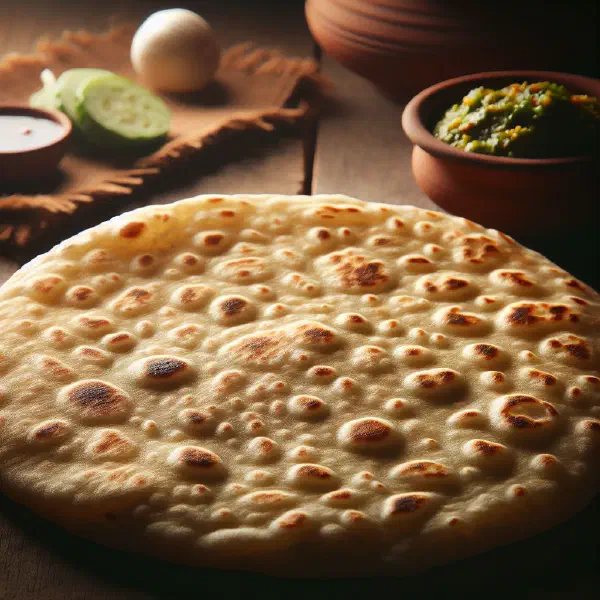
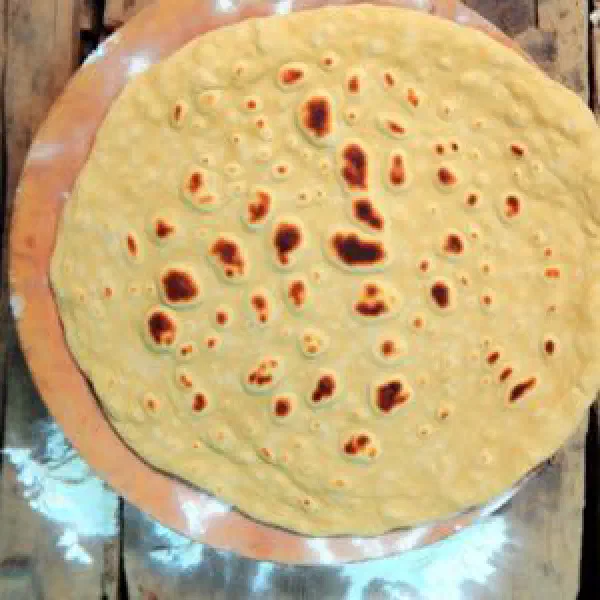
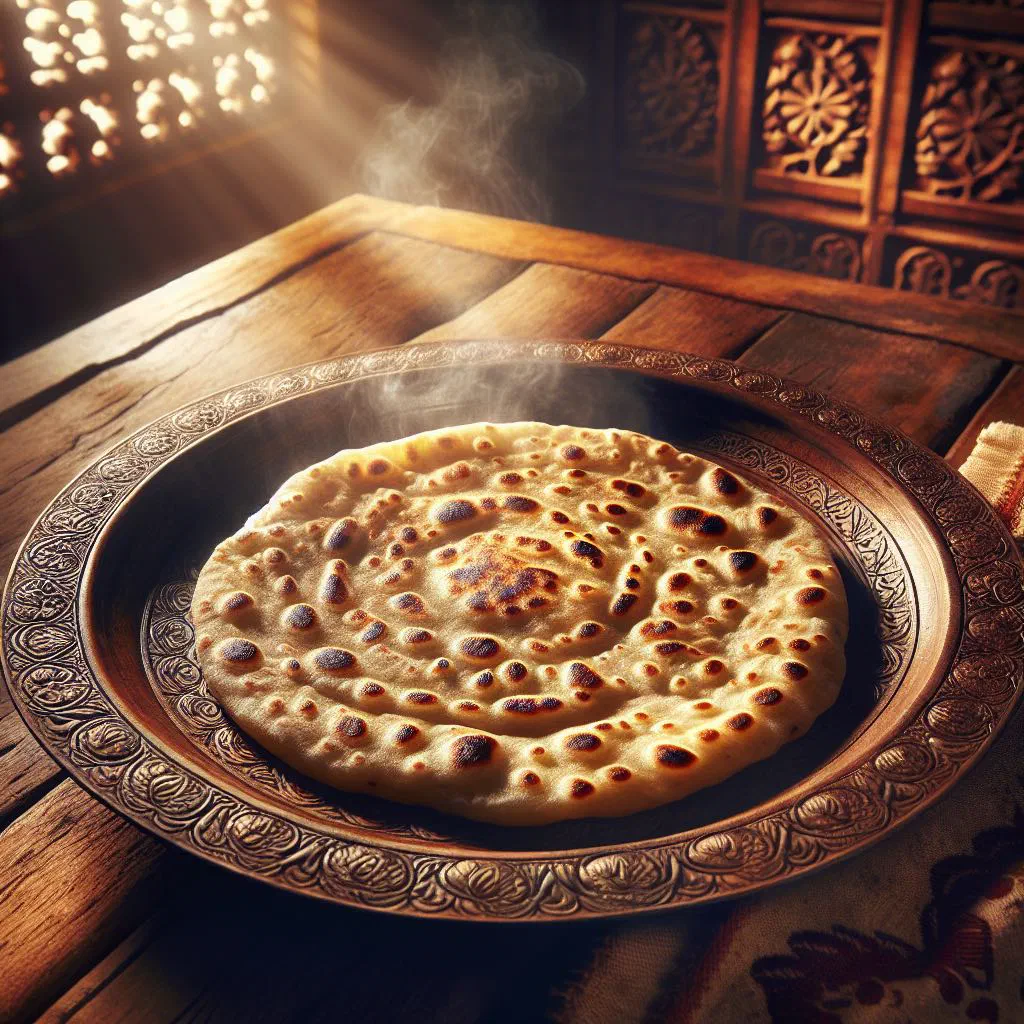
Discover Chapati, the soft, golden flatbread found in almost every Tanzanian kitchen and at every street stall. Layered, faintly crisp at the edges and beautifully pliable in the middle, it needs little more than flour, water and a hot pan. Mop up a rich stew with it or eat it warm from the pan as a snack, chapati carries the easy generosity of East African cooking straight to your table.
About Chapati
Tanzania is a country of remarkable cultural variety, and its kitchens reflect that in a wide range of aromas and traditions. One dish you will find almost everywhere is chapati. This traditional flatbread has its roots in Indian cooking, but over the centuries it has become a fixed part of Tanzanian food culture. Its appeal lies in the simplicity of the preparation, the savoury flavour and the sheer versatility of the finished bread. Served at breakfast, as a side to stews or as a snack in between, chapati rewards every palate with its lightly crisp yet soft bite.
Ingredients (serves 1–2)
- 250 g wheat flour
- ½ teaspoon salt
- 125 ml water (possibly a little more)
- 2 tablespoons vegetable oil, plus extra for frying
Shopping for the ingredients
For an authentic chapati it pays to choose good-quality wheat flour. An Asian or African grocery is a good place to look, as these shops often stock the finer, softer flours traditionally used for flatbreads. A neutral-tasting vegetable oil such as sunflower oil is ideal, since it lets the flour and the gentle toasted notes of the pan come through rather than adding a flavour of its own.
Preparing the dish
Before you start, measure out all the ingredients and set them within easy reach. Bring the water to room temperature so it blends more readily with the flour and gives a smoother dough. It is also worth dusting your work surface and rolling pin with a little flour to stop the dough sticking. A clear, well-organised counter makes rolling and frying far more relaxed.
Step-by-step instructions
- Mix the wheat flour and the salt together in a bowl.
- Add the water gradually and knead to a smooth, supple dough.
- Divide the dough into small portions and shape each one into a ball.
- Roll out each ball with a rolling pin into a thin round.
- Heat a pan with a little oil and fry the chapatis one after another until golden brown on both sides.
- Keep the finished chapatis warm until all of them are cooked.
Gluten-free / lactose-free version
Chapati is naturally lactose-free as long as you fry it in oil rather than butter or ghee. For a gluten-free version, replace the wheat flour with a gluten-free bread flour blend; a spoonful of psyllium husk or a little xanthan gum helps the dough hold together, since there is no gluten to give it stretch. Roll these rounds between two sheets of baking paper, as the dough is more fragile than the classic version.
Tips for vegans and vegetarians
In its traditional Tanzanian form chapati is entirely vegan, flour, salt, water and oil, nothing more. Simply keep to vegetable oil instead of ghee when frying and the bread suits any plant-based diet. It makes a fine partner for vegetable dishes such as Mboga Za Majani or a bowl of beans, turning a simple meal into something substantial and satisfying.
More tips and tricks
The consistency of the dough decides the outcome. It should be neither too firm nor too sticky: add a splash more water if it feels dry, or a dusting of flour if it clings to your hands. For especially soft chapatis, let the dough rest for a few minutes before rolling, the flour hydrates fully and the rounds stretch far more willingly. Frying over a steady medium heat gives the best colour without drying the bread out.
Adapting the recipe to your taste
If you like experimenting, work spices such as cumin, garlic powder or fresh herbs into the dough to give your chapati a personal signature. Wholemeal flour makes a more wholesome version with a nuttier flavour and a slightly denser crumb. Some cooks brush each rolled round with oil and coil it up before rolling it out again, which produces the flaky, layered chapati often served alongside Pilau.
Ingredient substitutions
If you have allergies or intolerances, the wheat flour can be swapped for gluten-free flour blends. Using ghee (clarified butter) in place of vegetable oil gives the chapatis a richer, more rounded flavour, though it does mean the bread is no longer dairy-free. Coconut oil is another option and adds a subtle sweetness that sits well with the coastal cooking of the region.
Drink pairing ideas
The savoury, faintly toasted flavour of chapati goes beautifully with a chilled Tanzanian beer or a refreshing glass of ayran. If you prefer something without alcohol, sweetened chai tea is the classic morning companion, much like the milky Chai Ya Maziwa, while freshly pressed fruit juices make a bright, cooling alternative at lunchtime.
Serving and presentation ideas
Serve the chapatis in an attractive basket or on a rustic wooden board, garnished with fresh herbs. A selection of small bowls of chutney or raita alongside lets guests dress each piece exactly as they like. A sharp tomato and onion salad such as Kachumbari provides a lively contrast to the warm, soft bread and rounds out the table nicely.
A bit of history
The story of chapati in Tanzania is closely bound up with the trade routes and cultural exchange between India and East Africa. Indian merchants and later labourers brought the bread with them across the Indian Ocean, and it settled quickly along the Swahili coast. What emerged is a genuine fusion of Indian and African cooking, and today chapati sits comfortably at the heart of Tanzanian cuisine alongside dishes of far older local origin.
More recipe ideas
Summary: Chapati
Tanzanian chapati is a versatile and much-loved bread that can be enjoyed at any hour of the day. The preparation is straightforward and calls for only a handful of basic ingredients, yet the result is far greater than the sum of its parts. With the right tips and a little practice, anyone can bring this national favourite to their own kitchen and taste a genuine piece of Tanzanian everyday life.