National Dish Tanzania: Choroko na Nazi (Recipe)
In this article
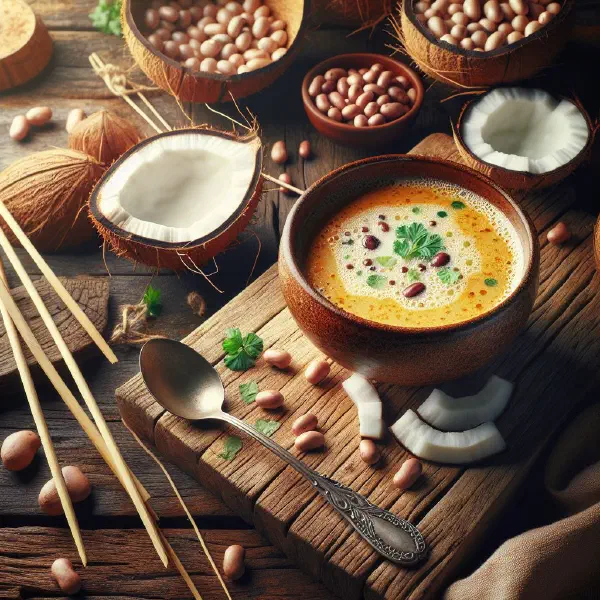
Meet Choroko na Nazi, a gently spiced Tanzanian favourite that turns two humble store-cupboard staples into something quietly luxurious. Tender beans simmer in silky coconut milk until the sauce turns rich and fragrant with garlic, ginger and cumin. It is the kind of dish that fills a kitchen with warmth on a weeknight yet still earns its place at a family celebration, comforting, naturally plant-based and ready in well under an hour.
About Choroko na Nazi
Choroko na Nazi is a genuine highlight of Tanzanian cooking. It brings together tender, protein-rich beans and the creamy texture of coconut, and the result is a wonderfully rounded eating experience. In Tanzania the dish is often served at festivals and family gatherings, which says a great deal about its standing in local culture. It is also refreshingly straightforward to make, so it suits everyday meals just as well as special occasions.
Ingredients (serves 1–2)
- 200 g green beans (dried or fresh)
- 1 tin coconut milk (400 ml)
- 1 small onion, finely chopped
- 2 cloves garlic, chopped
- 1 teaspoon grated ginger
- 1 teaspoon cumin
- Salt and pepper to taste
- Fresh coriander, to garnish (optional)
Shopping for the ingredients
The ingredients for Choroko na Nazi are easy to track down in most Asian or African grocery shops. Coconut milk and dried beans in particular are usually stocked in generous quantities. Look for a good-quality coconut milk without additives, as this makes the biggest difference to the finished flavour. If you are using fresh beans, choose ones that are firm and crisp so the dish keeps its ideal texture.
Preparing the dish
Before you start cooking, wash the beans thoroughly and, if needed, leave them to soak overnight. This shortens the cooking time and helps the beans cook through evenly. The onion, garlic and ginger also need preparing, chop them finely or grate them as required. Having these aromatics ready before you begin matters, because they build the unmistakable flavour that develops as the dish cooks.
Step-by-step instructions
- Bring the beans to the boil in a pan with plenty of water and cook for roughly 30 to 40 minutes, until soft.
- Heat a little oil in a separate pan and fry the onions until translucent. Add the garlic and ginger and cook briefly.
- Add the cooked beans to the onion mixture along with the coconut milk and the cumin.
- Stir well and season with salt and pepper. Leave to simmer over a medium heat for about 10 minutes.
- Garnish with fresh coriander and serve.
Gluten-free / lactose-free version
Choroko na Nazi is naturally gluten-free and lactose-free, since its main components are simply beans and coconut milk. That makes it an excellent choice for anyone managing a food intolerance. To be completely sure the dish contains no gluten, use ingredients from certified gluten-free sources. It is worth checking your spices too, as ready-made blends occasionally hide traces of gluten.
Tips for vegans and vegetarians
The pairing of beans and coconut milk makes this dish a perfect fit for vegans and vegetarians alike. To make it even more nourishing, add extra vegetables such as spinach or carrots, much the same approach that works so well in Mchicha. If you are after a higher-protein version, stir in some pre-cooked lentils. Either way the meal stays entirely plant-based and generously nutritious.
More tips and tricks
For the best result, soak the beans in good time and cook them until properly tender. If they still feel too firm, simply allow them longer on the hob rather than rushing the process. Add the coconut milk towards the end of cooking so its nutty character is preserved. Beyond that, the dish takes very happily to a little chilli or extra spice if you want more punch.
Adapting the recipe to your taste
One of the great strengths of Choroko na Nazi is how readily it adapts. Depending on your palate you can vary the spicing or fold in additional vegetables for more variety. Ground coriander or curry powder both work nicely in place of the cumin. You can even nudge the dish towards sweetness by adding a handful of dried fruit such as raisins, a trick that echoes the sweeter coastal preparations like Maharagwe ya Sukari.
Ingredient substitutions
If you have no beans to hand, chickpeas or red lentils make good alternatives with a similar consistency. In place of coconut milk you might try a plant-based option such as almond or oat milk, though the creaminess will not be quite as intense. Substitutions like these let you tailor the dish to what you have available and to your own preferences. As a rule, though, the classic ingredients are worth sticking with to keep the authentic taste of Choroko na Nazi.
Drink pairing ideas
Several drinks round out the flavours of this dish beautifully. A cold, refreshing ginger beer or a lightly chilled white wine both sit well alongside the creamy texture and coconut aromas. For an alcohol-free option, consider a sparkling lemon water or a fruity smoothie. A cup of spiced Chai ya Maziwa is another lovely way to finish the meal.
Serving and presentation ideas
Presentation matters here. Serve the dish in a large, shallow bowl and garnish with fresh coriander and a squeeze of lime juice. This adds colour as well as a welcome burst of freshness. Grilled vegetables or a crisp salad alongside will balance the plate nicely, and a stack of warm Chapati is ideal for mopping up the sauce.
A bit of history
The roots of Choroko na Nazi run deep in Tanzanian culture and reflect the sheer variety of the country’s cooking. Traditionally it was made along the coastal regions, where beans and coconuts are both plentiful. These ingredients are fundamental to the food of south-east Africa and have, over time, come together in a dish valued in rural villages and busy cities alike. It is a fine illustration of how Tanzanian cuisine tells cultural stories through what lands on the plate.
More recipe ideas
Summary: Choroko na Nazi
In short, Choroko na Nazi is a delicious and nourishing dish that offers an excellent introduction to Tanzanian cooking while remaining endlessly adaptable. The combination of tender beans and creamy coconut milk delivers a depth of flavour that genuinely appeals to. Its simple method and the many ways it can be varied make it suitable for any occasion. Let the aromas of East Africa inspire you and enjoy a piece of Tanzanian tradition on your own plate.