National Dish Tanzania: Donde (Recipe)
In this article
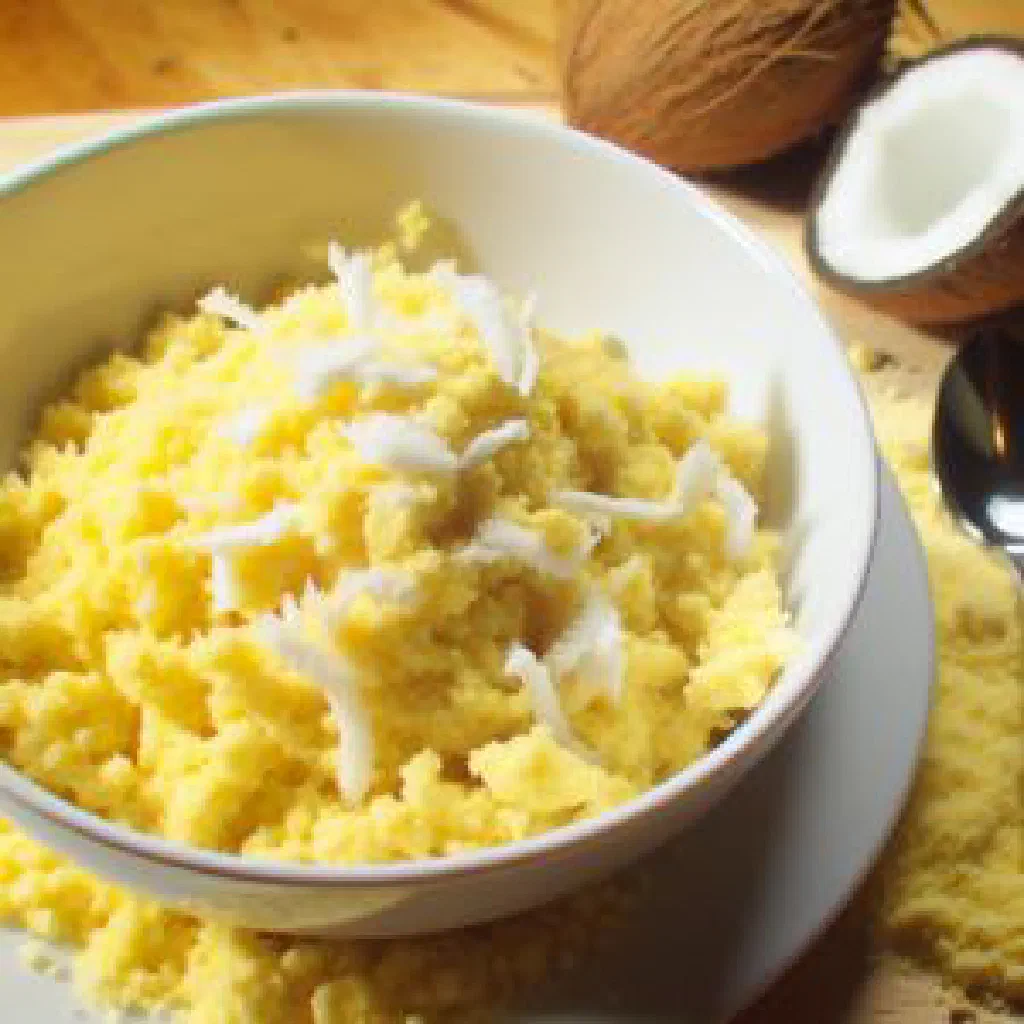
Meet Donde, a comforting Tanzanian classic that turns two humble store-cupboard staples into something quietly special. Maize flour and coconut milk are stirred together into a smooth, creamy porridge, then brightened with whatever fresh vegetables the season offers. It is warm, filling and endlessly forgiving, the sort of dish that welcomes guests to the table and reflects the generous hospitality Tanzania is known for.
About Donde
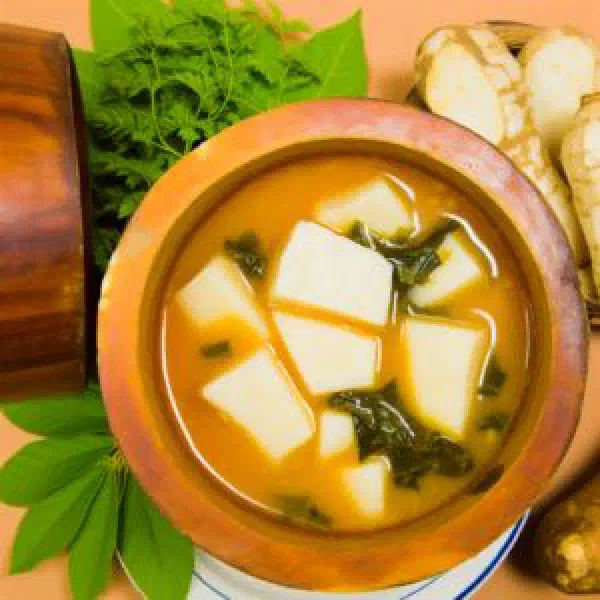
Donde is a fascinating and flavourful national dish of Tanzania, and it captures the warm, welcoming spirit of the country beautifully. It is traditionally made from maize flour and coconut milk, a pairing that gives the dish its creamy, satisfying consistency. Donde is usually served with fresh vegetables or a selection of sides that round out the eating experience. Because it leans so heavily on local ingredients, it mirrors the culinary traditions and variety of Tanzanian cooking, much like the country’s other maize staple, Ugali.
Ingredients (serves 1–2)
- 200 g maize flour
- 400 ml coconut milk
- 1 teaspoon salt
- Vegetables of your choice (carrots, spinach, for example)
- Water, as needed
Shopping for the ingredients
Most of the ingredients for donde are available in a well-stocked supermarket or an Asian or African grocery. The important thing is that the maize flour is fresh, as that makes all the difference to the finished flavour. Coconut milk comes in a range of qualities, and it is worth buying organic where you can to support more sustainable production. When it comes to the vegetables you can be as creative as you like; fresh produce simply delivers more flavour and more nutrients.
Preparing the dish
Before you start cooking donde, gather and prepare everything you need. Wash the vegetables and cut them into small pieces so they cook through evenly. Measure out the coconut milk and the maize flour so both are ready to hand at the right moment. Good preparation saves time and makes the whole process easier and far more enjoyable.
Step-by-step instructions
- Heat the coconut milk in a large pan until it is gently simmering.
- Stir in the maize flour a little at a time to avoid lumps forming.
- Add the salt and keep stirring until the mixture thickens.
- Add water as needed to reach the consistency you want.
- Fry the prepared vegetables in a separate pan, then fold them through the maize and coconut mixture.
Gluten-free / lactose-free version
Donde is naturally gluten-free, since it is built almost entirely on maize flour. That makes it an excellent option for anyone with a gluten intolerance or coeliac disease. Using coconut milk instead of cow’s milk also keeps the dish lactose-free from the outset. Just check that none of the other ingredients you use carry gluten- or lactose-containing additives.
Tips for vegans and vegetarians
Donde is ideal for vegans and vegetarians, as it contains no animal products at all. To make it more nourishing still, add extra protein in the form of chickpeas or soya. Fresh herbs such as coriander or parsley bring both colour and a lively freshness to the bowl. With a good selection of vegetables you can easily adapt the recipe to be more varied and more nutritious.
More tips and tricks
To deepen the aroma of donde, reach for spices such as cumin or turmeric. These add flavour and give the dish a lovely warm colour. If you would like a bit more heat, stir in fresh chillies towards the end. Cooking should be creative, so do personalise the dish until it tastes exactly the way you want it.
Adapting the recipe to your taste
The donde recipe adapts easily to personal preference. If you enjoy a nuttier flavour, for instance, add almonds or cashews. For a richer texture, simply use a little more coconut milk. Experiment with different vegetables and herbs, the same approach that works so well in Mchicha, to build a version that is entirely your own.
Ingredient substitutions
If you do not have maize flour, rice flour or millet flour make a good alternative. They taste slightly different but deliver a very similar consistency. The coconut milk can be swapped for another plant-based milk, although the characteristic flavour will be less pronounced. Whenever you substitute an ingredient, keep both the texture and the aroma of the finished dish in mind.
Drink pairing ideas
Plenty of drinks pair well with donde and round out the meal nicely. A fresh mango juice or a homemade lemonade are excellent companions to its gentle sweetness, as is a cup of spiced Chai Ya Maziwa. If you prefer something alcoholic, a light beer or a tropical cocktail works well. Just make sure the drink stays balanced so it does not overwhelm the delicate coconut notes.
Serving and presentation ideas
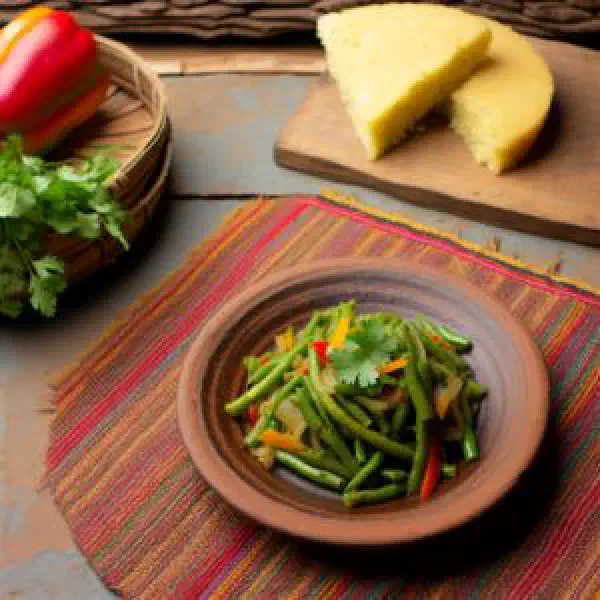
A little thought at the serving stage lifts donde considerably. Use colourful pieces of vegetable for contrast and scatter fresh herbs over the top as a garnish. An attractive serving dish or a rustic wooden board gives the meal a particular charm. Arrange everything carefully so the dish looks as good as it tastes.
A bit of history
Donde has a history closely bound up with the culture and traditions of Tanzania. It is a dish passed down from generation to generation, often appearing at family gatherings and celebrations. The combination of maize and coconut has been shaped by many regional influences, which is why so many versions and methods exist side by side. Eating it is a way of experiencing part of the rich heritage of Tanzanian cuisine.
More recipe ideas
Summary: Donde
Donde is a hearty, delicious dish that reflects the cultural variety of Tanzania. Simple to make and easy to adjust, it suits just about everyone. Lactose-free or fully vegan, donde takes the change in its stride, which goes a long way towards explaining its enduring popularity. Discover the flavours of Tanzania and bring a piece of African culture into your own kitchen.