National Dish Tanzania: Kashata (Recipe)
In this article
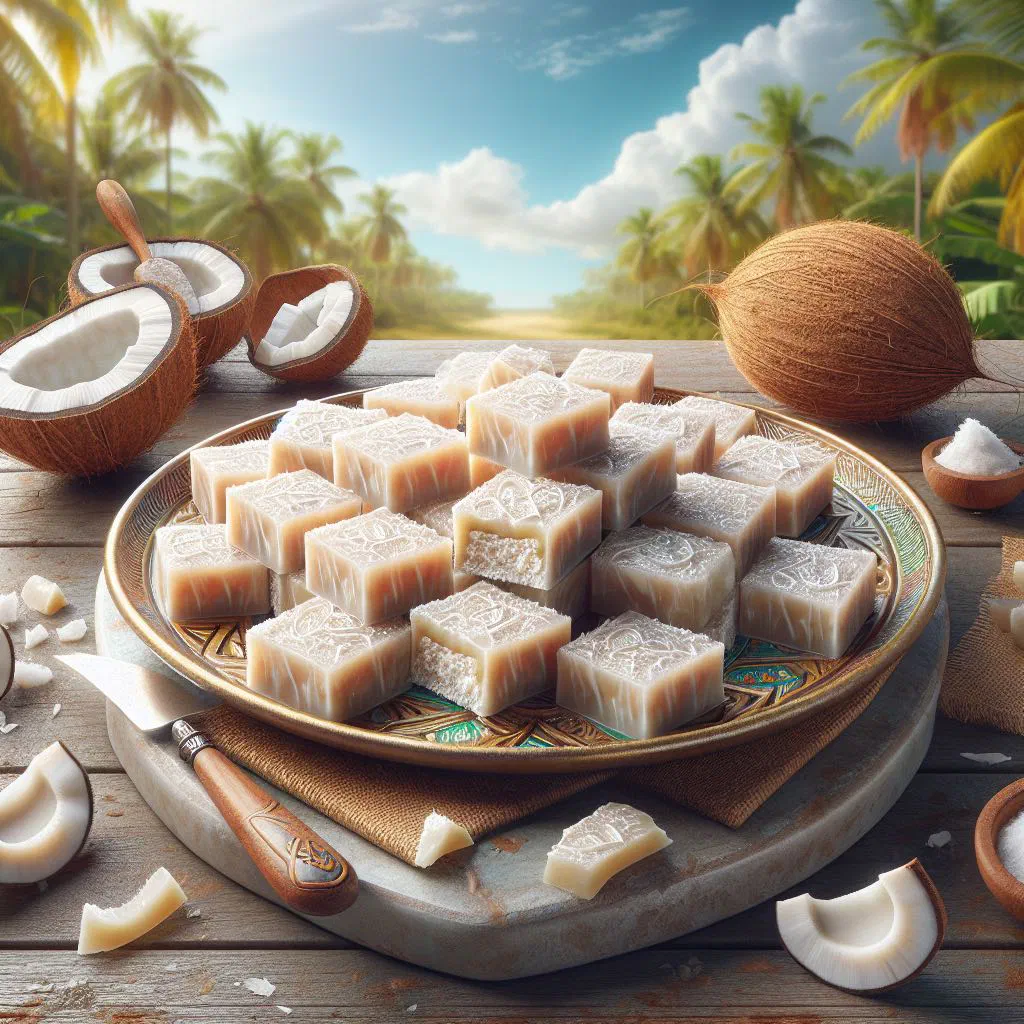
Discover Kashata, one of Tanzania’s most cherished sweet treats. These crisp little squares of caramelised peanuts or coconut are simple to make yet impossible to stop eating. Warm with vanilla or cinnamon and lightly salted, they turn up at festivals, family gatherings and roadside stalls alike. Bring a taste of East Africa to your own kitchen with just a handful of ingredients.
About Kashata
Kashata is a traditional Tanzanian snack that appeals to the palate and carries real cultural weight. These moreish sweets are usually built around peanuts or desiccated coconut, lightly refined with sugar and a whisper of spice. They are especially popular across East Africa and are enjoyed at festive occasions or simply as a little something between meals. With their crunchy texture and gentle sweetness, they are a must for anyone keen to explore Tanzanian cooking.
Ingredients (serves 1–2)
- 100 g peanuts or desiccated coconut
- 100 g sugar
- 1 tablespoon water
- A pinch of salt
- Spices of your choice (vanilla or cinnamon, for example)
Shopping for the ingredients
To find the best ingredients for kashata, it is worth looking for fresh peanuts and desiccated coconut at a well-stocked supermarket or a local market. Make sure the nuts are unsalted and the coconut is pure, so the natural flavour comes through. You can use whichever sugar you prefer, brown sugar lends the snack a lovely caramel note. Spices such as vanilla or cinnamon are easy to come by too and add welcome depth to the finished sweets.
Preparing the dish
Before you start making kashata, measure everything out and have it ready to hand. The peanuts can be roughly chopped if you would like a chunkier texture in the finished snack. Optionally, toast the nuts lightly beforehand to intensify their flavour. Prepare a suitable tin or tray as well, so the mixture can cool and set into shape.
Step-by-step instructions
- Combine the peanuts or desiccated coconut in a bowl.
- Heat the sugar, water and pinch of salt in a small pan until the sugar has dissolved completely.
- Add your chosen spices if using and stir well.
- Pour the sugar syrup over the nuts or coconut and mix thoroughly.
- Press the mixture into the prepared tin and spread it out evenly.
- Leave to cool for about 30 minutes, until the slab has set firm.
- Cut into small pieces and serve.
Gluten-free / lactose-free version
Excellent news for sensitive eaters: kashata is naturally gluten-free and lactose-free. That makes it an ideal snack for anyone with a food intolerance. Simply check that no additional shop-bought ingredient sneaks gluten or lactose into the mix, and the sweets will suit everyone at the table. Pure pleasure, with nothing to worry about.
Tips for vegans and vegetarians
For vegans, kashata is a brilliant option, as it contains no animal products whatsoever. The snack is straightforward to prepare and delivers a delicious plant-based sweet. Take care that neither the spices nor the sugar you choose contain animal-derived ingredients, so the result stays 100 per cent vegan. These little squares travel well and make a fine dessert after a plant-based meal, much like the coconut-rich Tende Za Nazi.
More tips and tricks
To make kashata even better, try different combinations of nuts or fillings. A scattering of dried fruit can give the snack an interesting new dimension. Playing with the spicing opens up fresh flavour possibilities too. If you are making a batch for children, colourful sprinkles are an easy way to surprise them.
Adapting the recipe to your taste
The beauty of kashata is how readily the recipe bends to personal preference. If you favour other nuts such as almonds or walnuts, they slot straight in without any fuss. The sweetener can vary as well, honey or agave syrup give a different kind of sweetness.
Ingredient substitutions
If you would rather leave out certain ingredients, kashata offers plenty of alternatives. Instead of ordinary sugar you might use coconut sugar, for instance. For a nut-free version, sunflower seeds stand in beautifully and give much the same texture. You can also shift the balance between nuts and coconut depending on what you prefer or what happens to be available, in the same spirit as the honeyed Karanga Za Asali.
Drink pairing ideas
Several drinks round off a plate of kashata nicely. A refreshing mint tea or a fruity juice makes an ideal companion to these sweets, as does a milky spiced Chai Ya Maziwa. For special occasions a glass of sparkling wine or a fruity cocktail works well too. Pairings like these turn any gathering into something memorable.
Serving and presentation ideas
Presentation can make all the difference with kashata. Serve the pieces on a prettily decorated plate, or in small paper cases for a festive touch. A garnish of fresh fruit or herbs adds extra visual appeal. An inviting arrangement is half the fun, and guests will fall for the snack before they have even tasted it.
A bit of history
Kashata has deep roots in Tanzanian culture and is closely associated with festivals and special occasions. The way it is made has evolved over generations and reflects the sheer variety of Tanzanian cuisine. Many families guard their own secret recipe, handed down from parents to children. In this way kashata is not only a treat but part of a treasured tradition of communal celebration, sitting alongside staples such as Ugali.
More recipe ideas
Summary: Kashata
All in all, kashata is a wonderful introduction to the flavours and textures of Tanzanian cooking. Easy to prepare, it brings together crunchy peanuts or coconut, sweet caramelised sugar and carefully chosen spices. Whether as a snack between meals or as part of a celebration, kashata wins over young and old alike. Let the variety and distinctive taste of this traditional Tanzanian sweet tempt you into making a batch.