National Dish Tanzania: Kitumbua (Recipe)

In this article
Discover Kitumbua, the fragrant little rice pancakes that Tanzanians reach for at breakfast, at teatime and at every gathering in between. Soft on the inside, crisp and golden at the edges, they carry the gentle sweetness of coconut alongside warm spice and a bright note of fresh herbs. Simple to make and endlessly moreish, they bring the flavours of the East African coast straight to your kitchen table.
About Kitumbua
Kitumbua is a traditional dish from Tanzania, best known for its delicious, aromatic rice pancakes. They combine carefully cooked rice with a handful of spices and fresh herbs, showing off the character of Tanzanian cooking at its most inviting. Preparing kitumbua is a long-standing tradition across many African cultures, and the pancakes are as popular with visitors as they are with locals. They work beautifully as a snack or as a light main course, and they are the ideal companion for sociable occasions.
Ingredients (serves 1–2)
- 1 cup cooked rice
- 1/2 cup water
- 1/4 cup desiccated coconut
- 1 small onion, finely chopped
- 2–3 sprigs fresh coriander, chopped
- 1 teaspoon salt
- 1/2 teaspoon curry powder
- Vegetable oil, for frying
Shopping for the ingredients
Shopping for kitumbua is straightforward, as most of what you need is stocked by any ordinary supermarket or local Asian grocery. Do take care to choose fresh herbs such as coriander, since they carry a great deal of the flavour. For the rice you can use plain white or basmati, depending on your preference. The desiccated coconut should be unsweetened, so the authentic taste of the dish comes through cleanly.
Preparing the dish
Before you start on kitumbua, it pays to lay out all your ingredients and get the proportions right. Cook the rice ahead of time, as it should be thoroughly cooled and slightly sticky to give the pancakes their ideal consistency. Alongside the onion and coriander you can add further spices to taste, varying the aroma as you please, the same easy-going approach that makes Vibibi such a friendly recipe for beginners. Doing all the preparation in advance keeps the cooking itself smooth and unhurried.
Step-by-step instructions
- Tip the cooked rice into a bowl and stir it through thoroughly.
- Add the chopped onion, desiccated coconut, coriander, curry powder and salt, and mix well.
- Add water a little at a time until the mixture holds its shape.
- Heat the oil in a frying pan and fry small portions of the mixture.
- Cook the pancakes until golden on both sides, then drain on kitchen paper.
Gluten-free / lactose-free version
Kitumbua is naturally gluten-free, as rice is the main ingredient. It is equally suitable for anyone avoiding lactose, since no dairy is required at any stage. If you like, check the desiccated coconut for additives before you buy. That makes the dish especially well suited to people with intolerances and offers a delicious option for everyone at the table.
Tips for vegans and vegetarians
Vegans and vegetarians can enjoy kitumbua without a second thought, as it contains no animal products at all. If you wish, fold vegetables such as peppers or spinach into the mixture to boost the nutritional value. Sticking to vegetable oil for frying is a simple way to keep the dish fully vegan. This recipe is a lovely way to bring vegetables and herbs together elegantly and deepen the flavour.
More tips and tricks
To get kitumbua just right, resist the urge to let the pan get too hot. A moderate heat browns the pancakes evenly without scorching the outside before the centre is done. Experiment with different spices to tune the flavour to your own liking. It is also worth storing any leftover mixture properly, so you can fry a fresh batch the next day with almost no effort.
Adapting the recipe to your taste
Kitumbua is easy to adapt to personal preference. If you like a bit of heat, stir in chilli flakes or fresh chillies. For a slightly sweeter version, add a teaspoon of honey or agave syrup. The herbs can vary too, basil or parsley both make excellent alternatives to coriander.
Ingredient substitutions
If you would rather leave out the coconut, grated cheese or puréed vegetables will take it in a different direction altogether. Shallots can stand in for onions, lending the pancakes a milder sweetness. For a more protein-rich version, work in lentils, which add nutrients as well as an interesting texture, much as they do in Dengu. Adjustments like these make kitumbua even more rewarding.
Drink pairing ideas
Refreshing drinks are a natural match for a dish like kitumbua. A freshly squeezed citrus juice or a light ginger beer sits beautifully alongside the spiced aromas. A mild beer or a glass of white wine will round out the flavours just as well. A home-made iced tea is another good choice, or a cup of Chai Ya Maziwa if you want something warm and milky.
Serving and presentation ideas
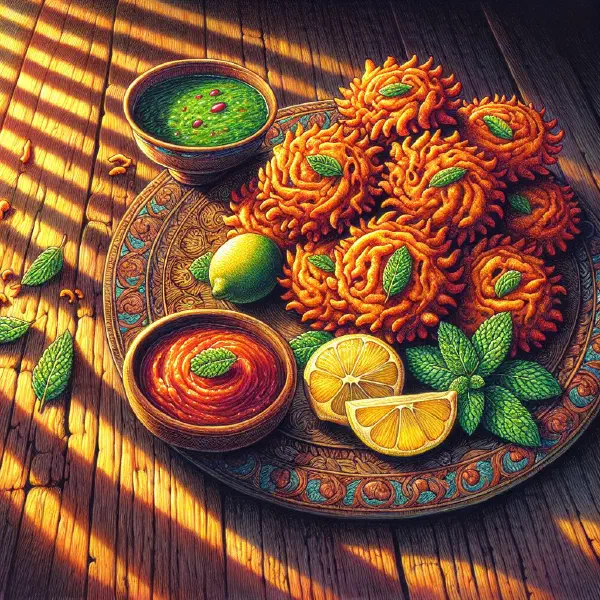
Thoughtful presentation lifts the whole kitumbua experience. Serve the pancakes on a rustic wooden board and garnish with fresh herbs and lime wedges. Small bowls of dips, chilli or soy sauce, for instance, invite everyone to help themselves. Colourful vegetable sides or a fresh salad such as Kachumbari make the platter more appealing and add plenty of colour.
A bit of history
The roots of kitumbua reach deep into the culinary traditions of Tanzania. The dish reflects the many cultures and peoples who have lived along this coast over the centuries. Rice is a staple across East Africa, and the generous use of spices and herbs is a hallmark of Tanzanian cuisine. Kitumbua is far more than a simple bite to eat: it is the product of tradition, invention and shared hospitality.
More recipe ideas
Summary: Kitumbua
Kitumbua is a genuinely delicious dish, as easy to prepare as it is enjoyable to eat. The combination of rice, spices and fresh herbs delivers a flavour that travels well across cultures. It is perfect for sociable get-togethers or simply as a snack between meals. Making kitumbua will certainly enrich your culinary repertoire.