National Dish Tanzania: Kuku wa Kienyeji (Recipe)
In this article
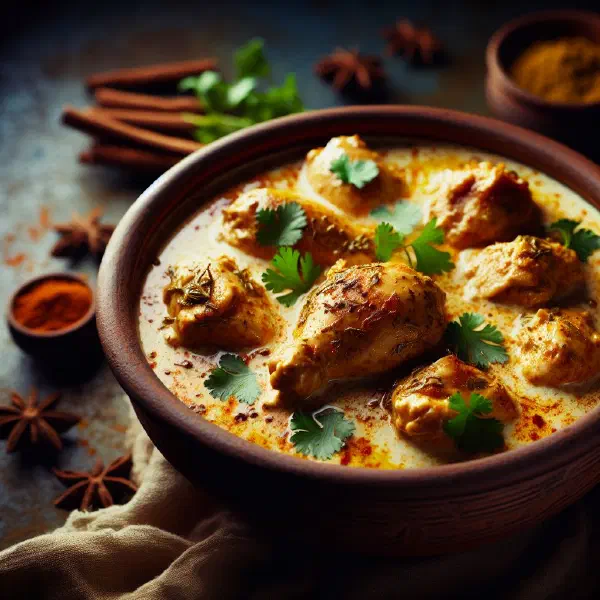
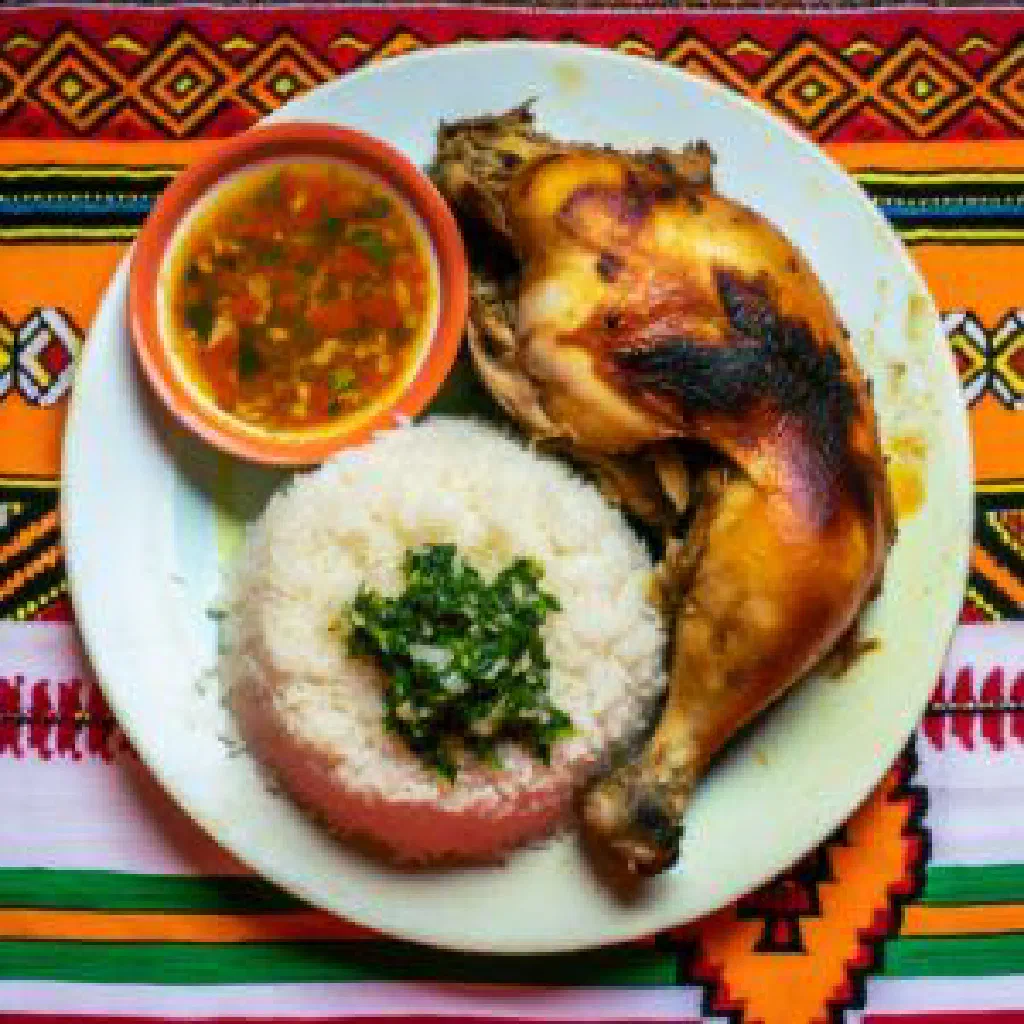
Meet Kuku wa Kienyeji, Tanzania’s much-loved free-range chicken dish. Slowly simmered with onions, ginger, garlic and ripe tomatoes, it delivers deep, honest flavour without a long list of fancy ingredients. The word kienyeji simply means “local” or “traditional”, and that is exactly what this dish tastes like: home cooking passed down through the generations. Serve it with rice or ugali and you have a meal built for sharing.
About Kuku wa Kienyeji
Kuku wa Kienyeji is a traditional Tanzanian chicken dish known for its unmistakable flavour and its unhurried method. The name signals that the bird is a free-range, locally raised chicken, firmer in texture and far more flavourful than intensively farmed poultry. The dish mirrors Tanzania’s food culture and is usually served with a generous spread of side dishes, from Ugali to steamed greens. More than a festive plate, it is a symbol of community and hospitality.
Ingredients (serves 1–2)
- 1 whole chicken (approx. 1 kg), cut into pieces
- 1 large onion, diced
- 2–3 garlic cloves, chopped
- 1 piece of ginger (approx. 2 cm), grated
- 2–3 tomatoes, diced
- 2–3 green peppers, diced
- 1 teaspoon turmeric
- Salt and pepper to taste
- Fresh coriander leaves, to garnish
- Oil for frying
Shopping for the ingredients
The first step towards a good Kuku wa Kienyeji is shopping well. Fresh chicken is essential, since it gives both the best flavour and the best texture. Farmers’ markets and local butchers are the ideal places to find a quality bird, ideally genuinely free-range. The remaining ingredients, onions, tomatoes and spices, should also be as fresh as possible so the dish reaches its full aroma.
Preparing the dish
Preparation involves cleaning the chicken thoroughly and chopping the onions, tomatoes and peppers. Cut everything to a similar size so it all cooks evenly. Marinating the chicken with the spices and fresh herbs for at least an hour improves the flavour considerably. Rub the spices gently into the skin so the aromas can work their way into the meat rather than sitting on the surface.
Step-by-step instructions
- Heat the oil in a large pot and fry the onions until golden brown.
- Add the garlic and ginger and fry briefly until fragrant.
- Stir in the diced tomatoes and peppers and mix everything well.
- Add the prepared chicken, season with turmeric, salt and pepper, and stir thoroughly.
- Cook over a medium heat until the chicken is cooked through (about 40–50 minutes).
- Garnish with fresh coriander leaves before serving.
Gluten-free / lactose-free version
One of the great advantages of Kuku wa Kienyeji is that it is naturally gluten-free and lactose-free. The main components are chicken and fresh vegetables, none of which contain gluten. Just keep an eye on any extra sauces or accompaniments you serve alongside, as these can occasionally contain gluten. That makes this dish an easy choice for anyone with these intolerances.
Tips for vegans and vegetarians
Vegans and vegetarians can adapt the recipe by replacing the chicken with a plant-based protein. Seitan or firm tofu both work very well, and the spice mix stays exactly the same, so the character of the dish carries over. It naturally loses some of its traditional essence, but the flavour profile remains recognisable thanks to the ginger, garlic and turmeric. Do check that every other ingredient you use is vegan too.
More tips and tricks
A few small habits make a noticeable difference here. Use fresh herbs rather than dried ones to keep the dish lively. A longer marinating time lets the aromas develop far more intensely, overnight in the fridge is ideal if you have the time. You can also add extra vegetables such as carrots or courgettes to bring more colour and variety to the pot.
Adapting the recipe to your taste
Kuku wa Kienyeji is versatile and easy to tailor to personal preference. Depending on your taste, add extra spices such as chilli for a hotter version, or ease off for something gentler. The cooking method is flexible too: the dish works on the hob in a heavy pot or roasted in the oven, whichever you prefer. That adaptability is exactly why it has become such a reliable family favourite.
Ingredient substitutions
Several ingredients can be swapped without harming the result. Tinned tomatoes stand in perfectly for fresh ones when good tomatoes are out of season. A splash of vegetable stock gives the dish extra depth if you want a looser, more sauce-like consistency, the same trick that works well in Mchuzi wa Kamba. Just remember to adjust the overall quantity of spices so the balance stays right.
Drink pairing ideas
A range of drinks suits Kuku wa Kienyeji nicely. A cool, refreshing beer complements the savoury notes of the dish particularly well. A fruity cocktail is a good alternative, as is a simple glass of sparkling water with citrus. For something non-alcoholic and homemade, a lime and mint iced tea makes a lovely, refreshing counterpoint to the hearty chicken.
Serving and presentation ideas
Presentation matters with this dish. Arrange it in a large serving bowl so the colours and textures are on show. A scattering of fresh coriander improves both the look and the aroma of the finished plate. Serving the accompaniments, rice, ugali or a bright Kachumbari salad, in separate bowls completes the picture and lets everyone help themselves.
A bit of history
Kuku wa Kienyeji has its roots in the traditional cooking of Tanzania, where it is often served on special occasions. The method has survived largely unchanged over the years and reflects local farming and cooking customs. The dish is not only a culinary highlight but part of a culture that draws families and communities closer together. The reliance on local, seasonal produce sits at the heart of this classic of Tanzanian cuisine.
More recipe ideas
Summary: Kuku wa Kienyeji
Kuku wa Kienyeji is a delicious traditional chicken dish from Tanzania that brings the flavours of the region together beautifully. Fresh, local ingredients are what give it its authentic taste, and the method itself could hardly be simpler. Easy to prepare and easy to adapt to your own preferences, it works just as well for a special occasion as for an ordinary weeknight. Let this Tanzanian classic inspire you and enjoy Kuku wa Kienyeji in your own kitchen.