National Dish Tanzania: Mambo ya Ndizi (Recipe)
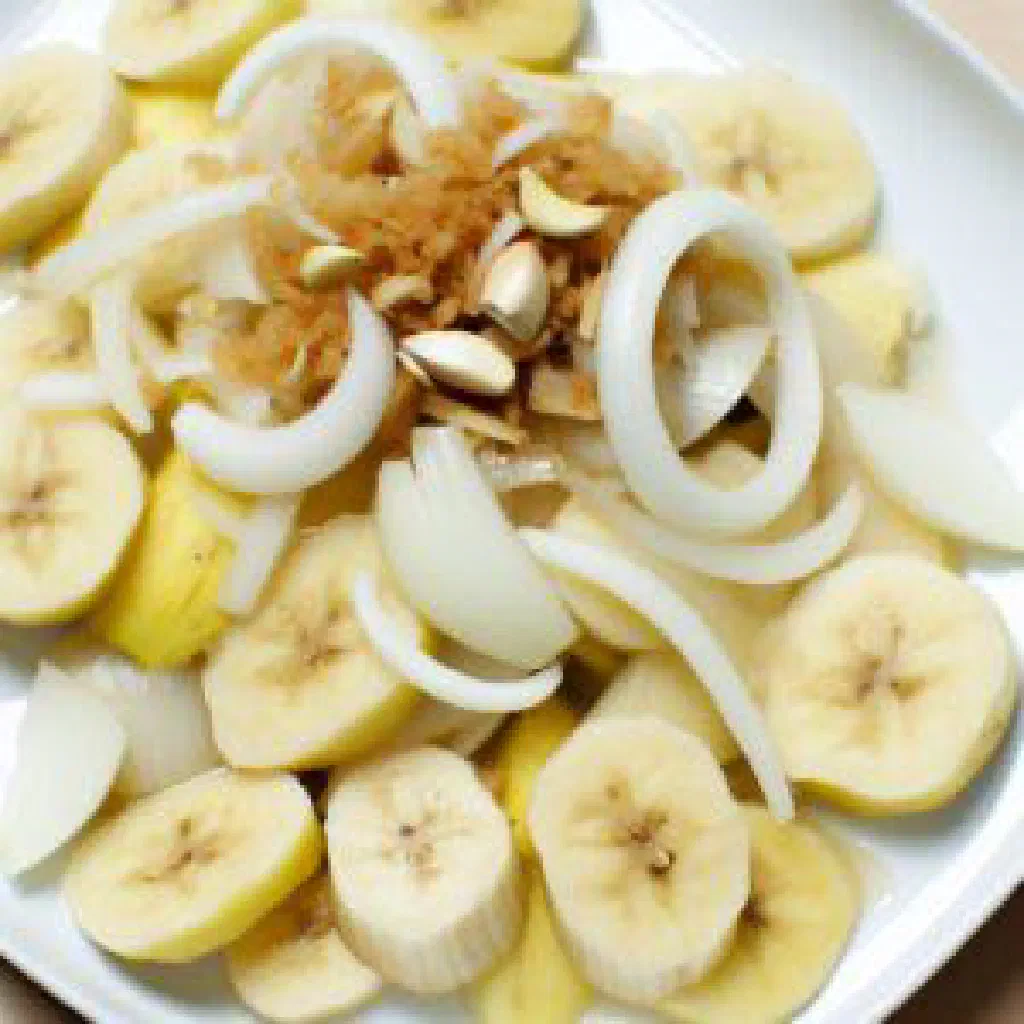
In this article
Discover Mambo ya Ndizi, a warmly spiced Tanzanian classic built around ripe bananas simmered in creamy coconut milk. Sweet and savoury notes meet in one pan, lifted by turmeric, cumin and fresh ginger. It is quick enough for a weeknight yet special enough for guests, and it offers a lovely introduction to the sunny flavours of the East African coast.
About Mambo ya Ndizi
Mambo ya Ndizi is a traditional dish from Tanzania that takes its character from bananas as the main ingredient. The interplay of flavour and texture makes it a genuinely distinctive culinary experience. Sweet and savoury aromas are balanced against one another, which makes the dish a fine choice for a special dinner. There are many ways to prepare and enjoy Mambo ya Ndizi, and each one rewards a little experimentation.
Ingredients (serves 1–2)
- 3 ripe bananas
- 1 onion, finely chopped
- 2 garlic cloves, crushed
- 1 teaspoon fresh ginger, grated
- 1 teaspoon turmeric
- 1 teaspoon cumin
- 200 ml coconut milk
- Oil, for frying
- Salt and pepper, to taste
Shopping for the ingredients
When shopping for Mambo ya Ndizi, choose fresh, properly ripe bananas. They deliver the best flavour and just the right sweetness. Onions and garlic carry the aroma of the dish, so it pays to buy good-quality produce. Spices such as turmeric and cumin vary considerably by origin, which is why organic versions are worth seeking out. Many Asian and African grocers also stock authentic coconut milk, the ingredient that gives the dish its signature note.
Preparing the dish
Preparing the dish is straightforward and calls for no special cooking skills. Begin by peeling the bananas and cutting them into slices, which gives you the ideal texture once they cook. The onion, garlic and ginger need to be prepared as well; frying them together builds an aromatic base for everything that follows. Having all the ingredients ready before you start the pan keeps the cooking process smooth and unhurried.
Step-by-step instructions
- Heat a little oil in a frying pan and cook the chopped onion, garlic and ginger over a medium heat until golden brown.
- Add the banana slices and fry briefly so they caramelise lightly.
- Stir in the turmeric and cumin and mix everything together well.
- Pour in the coconut milk and bring to the boil, then lower the heat and let it simmer for about 10 minutes until the bananas are soft.
- Season with salt and pepper and, if you like, garnish with fresh coriander.
Gluten-free / lactose-free version
Mambo ya Ndizi is naturally gluten-free and lactose-free, which makes it an ideal choice for anyone with those intolerances. The main ingredients, bananas and coconut milk, are entirely safe for both diets. Do check that the spices and oils you use contain no hidden gluten. The dish also brings a valuable range of nutrients to the table, so it is as nourishing as it is enjoyable.
Tips for vegans and vegetarians
For vegans and vegetarians, Mambo ya Ndizi is a flavourful and nutritious option. Every ingredient is plant-based and rich in nutrients. You can extend the dish with vegetables such as spinach or peas to boost its nutritional value and add extra flavour, much as you would in a plate of Mchicha. It works equally well as a main course or as a side alongside other plant-based dishes.
More tips and tricks
A few tips and tricks help refine the dish. Experiment with different spices to find your own signature, and try bananas at varying degrees of ripeness to shift the flavour. Adding chilli gives the pan a welcome heat, while using a good-quality vegetable oil makes a noticeable difference to the finished result.
Adapting the recipe to your taste
Adapting the recipe to your own preferences is simple and makes cooking all the more fun. Fancy something spicier? Add more spices. Prefer a creamier consistency? Increase the amount of coconut milk. Playing with texture is rewarding too. Try mashing the banana slices roughly for a purée-like finish.
Ingredient substitutions
If you do not have every ingredient to hand, there are useful substitutions. Instead of coconut milk you might use almond or soya milk, though the flavour will shift a little; the coconut version stays closest in spirit to a dish like Maharagwe ya Nazi. If fresh ginger is unavailable, ground ginger will do the job. Other fruits such as mango or papaya also make a welcome change and bring extra sweetness.
Drink pairing ideas
To round off the Mambo ya Ndizi experience, the right drink is worth a thought. A refreshing fresh-fruit cocktail suits the dish beautifully. A glass of cold lager or a mild cider will also complement the flavours nicely. For an alcohol-free option, sparkling water with a squeeze of lemon is a lovely choice, as is a mug of spiced Chai ya Maziwa.
Serving and presentation ideas
To present Mambo ya Ndizi attractively, serve it in a deep bowl or on a handsome plate and garnish with fresh coriander or mint. A colourful arrangement makes the dish as appealing to look at as it is to eat. Scattering over some toasted nuts creates an interesting contrast in texture, and a warm Chapati on the side turns it into a full meal. Creativity in the plating makes the eating all the more pleasurable.
A bit of history
The background to this dish is rich in cultural heritage. Mambo ya Ndizi is more than a simple recipe; it reflects the culinary traditions of Tanzania. Cooking with bananas is typical of many African kitchens, where the fruit is valued as a staple food. It is fascinating to see how traditional cooking reveals the influence of regional ingredients and spices, and how those flavours have evolved over time within Tanzanian cuisine.
More recipe ideas
Summary: Mambo ya Ndizi
Mambo ya Ndizi is a delicious and versatile dish from the Tanzanian kitchen that thoroughly deserves a place on your table. Simple to prepare and easy to adapt, it offers an authentic taste of Tanzania that anyone can enjoy. The marriage of sweet and savoury aromas makes it a wonderful choice for any occasion. Give it a try and let those warm, fragrant flavours win you over.