National Dish Tanzania: Mboga za Majani (Recipe)
In this article
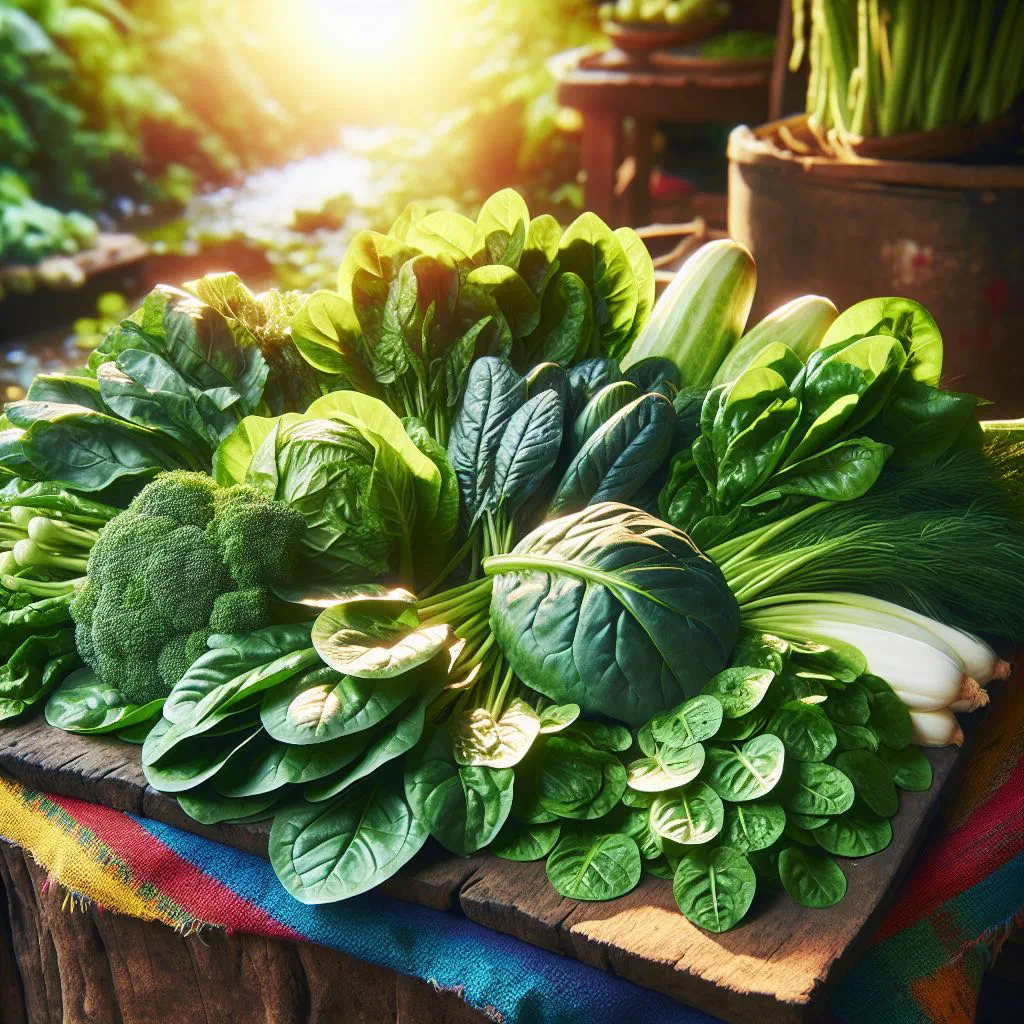
Say hello to Mboga za Majani, the fragrant leafy-green dish that sits at the heart of everyday cooking in Tanzania. Tender greens are gently braised with onion, garlic and warming spices, then finished with silky coconut milk that turns the whole pan glossy and rich. It is quick, nourishing and endlessly forgiving, equally happy as a generous main course or as a side that quietly steals the show.
About Mboga za Majani
Mboga za Majani is a traditional vegetable dish from Tanzania that captures the flavours of the region beautifully. It is built mainly around fresh leafy greens, cooked with a blend of spices and coconut milk. Using local produce gives the dish its freshness and a high nutritional value. Mboga za Majani is always a welcome addition to the table.
Ingredients (serves 1–2)
- 200 g fresh leafy greens (spinach or chard, for example)
- 1 medium onion, diced
- 2 cloves of garlic, finely chopped
- 200 ml coconut milk
- 1 tablespoon vegetable oil
- 1 teaspoon turmeric
- 1 teaspoon salt
- Pepper to taste
Shopping for the ingredients
If you are planning to make Mboga za Majani, it is worth looking for the ingredients in an African or Asian grocery. Fresh leafy greens are the heart of the dish, so choose bunches that look crisp and bright rather than limp. Coconut milk is usually sold in tins or cartons, and picking a good-quality one makes a noticeable difference to the finished sauce. Spices such as turmeric and salt should be staples in your kitchen too, as they give the dish its depth and its glowing colour.
Preparing the dish
Getting Mboga za Majani ready is quick and straightforward. Start by washing the greens thoroughly and trimming away any tough stalks. Next, chop the onion and garlic finely so they are ready to go into the pan. These small steps matter, because they let you cook the dish efficiently once the heat is on. Have everything within easy reach before you start, and the whole process runs smoothly from beginning to end.
Step-by-step instructions
- Heat the vegetable oil in a pan over a medium heat.
- Add the diced onion and fry until translucent.
- Stir in the garlic and cook for a further 2 minutes.
- Scatter in the turmeric and salt, mixing everything together well.
- Add the freshly washed greens and cook until they have wilted down.
- Pour over the coconut milk and let everything simmer gently until the sauce has thickened.
Gluten-free / lactose-free version
Mboga za Majani is an excellent choice for anyone with a gluten or lactose intolerance. The main ingredients are naturally free of both. When buying coconut milk, simply check the label for additives that might contain gluten or dairy. By sticking to fresh, natural vegetables and simple store-cupboard spices, you can be confident the dish stays wholesome and easy to digest, much like the equally gentle Kachumbari.
Tips for vegans and vegetarians
Mboga za Majani is naturally vegan and vegetarian, which makes it a wonderfully flexible option for a range of diets. You can adapt the recipe by adding extra vegetables such as carrots or peppers to boost both flavour and nutrition. Pulses like beans or lentils are another easy addition if you want more protein on the plate. The spicing is equally open to interpretation, so season it to suit your own palate.
More tips and tricks
To get the best from Mboga za Majani, start with fresh, good-quality ingredients. There is nowhere for tired greens to hide. Take care not to overcook the vegetables so they keep some bite and their bright colour. A squeeze of fresh lemon juice just before serving lifts everything and adds a welcome brightness. Every ingredient contributes something, so a little experimenting will help you refine the dish to your taste.
Adapting the recipe to your taste
One of the great pleasures of Tanzanian cooking is how flexible the recipes are. If you prefer milder flavours, simply reduce the spices or leave some out altogether. Those who like a bit of heat can add a small amount of chilli or a dash of hot sauce for a proper kick. The choice of greens can vary too, so try something new whenever the market offers it, the same spirit that makes Mchicha so popular. Experimenting keeps cooking exciting and lets your own preferences shine through.
Ingredient substitutions
If some ingredients are hard to come by, there are plenty of alternatives. Instead of coconut milk, soya or almond drink will give you a similar creamy consistency. For the greens, spinach, chard or even pak choi all work well. In truth there are no limits to what you can try here. Think about what is available locally and what suits your taste, then adjust the recipe accordingly.
Drink pairing ideas
A number of drinks go beautifully with Mboga za Majani. Freshly squeezed lemon juice or a cup of ginger tea make for a light, refreshing match. A cool beer also sits well against the dish’s gently spiced aromas. Fruity cocktails or alcohol-free sparkling drinks offer another interesting combination, as does a milky, sweetly spiced Chai ya Maziwa. Choose something that complements the flavours of the food and the whole meal feels more complete.
Serving and presentation ideas
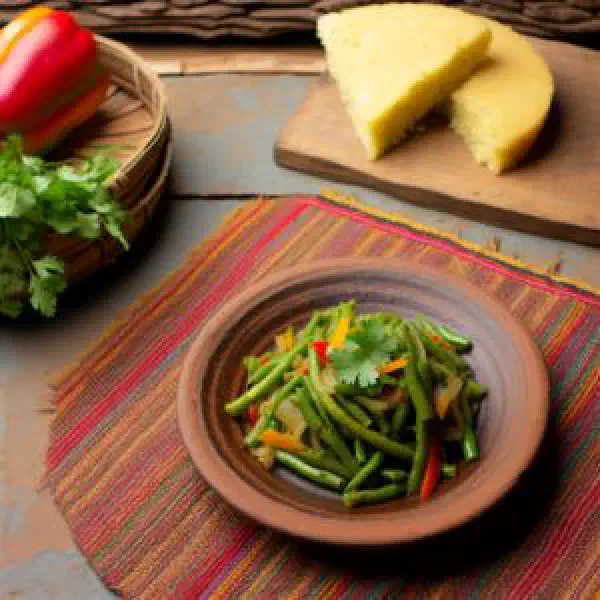
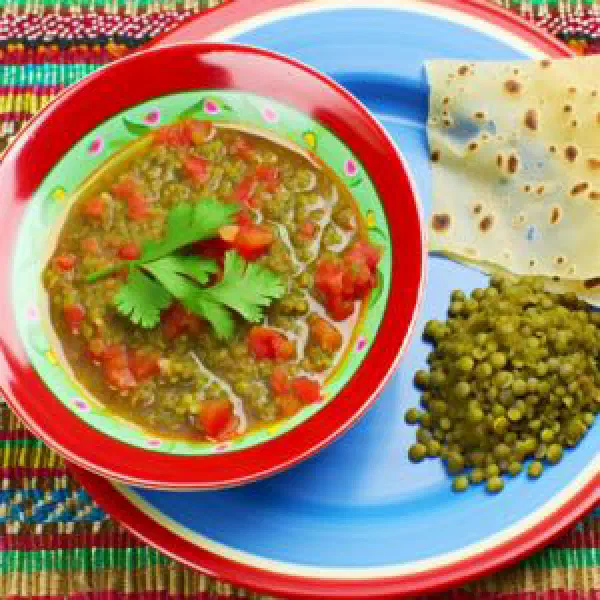
Presentation is an important part of any meal. Serve Mboga za Majani in a handsome bowl with fresh herbs such as coriander or parsley scattered over the top. A vivid tomato or pepper purée alongside adds a striking splash of colour. The choice of tableware plays its part as well: brightly coloured dishes echo the warmth of East African hospitality. Let the colours of the food come through and an everyday supper starts to feel like an occasion.
A bit of history
Tanzanian cooking has been shaped by many cultures, from local communities to Arab and Indian influences. Mboga za Majani stands for the value placed on fresh, locally grown produce, something held in high regard across Tanzanian society. The dish turns up at festivals and special gatherings, where it is about far more than taste. It is about community and belonging. It tells the story of Tanzanian cuisine and the central place food holds in social life, in much the same way that a platter of Nyama Choma brings people together.
More recipe ideas
Summary: Mboga za Majani
Mboga za Majani is more than a simple, healthy dish; it is a genuine treat for the eyes as well as the palate. With its combination of fresh leafy greens, coconut milk and generous spicing, it offers an authentic taste of Tanzanian cooking. Because it adapts so readily, you can shape it entirely to your own liking. Let the character and aromas of Mboga za Majani win you over, and bring a little of Tanzania straight into your kitchen.