National Dish Tanzania: Mshikaki (Recipe)
In this article
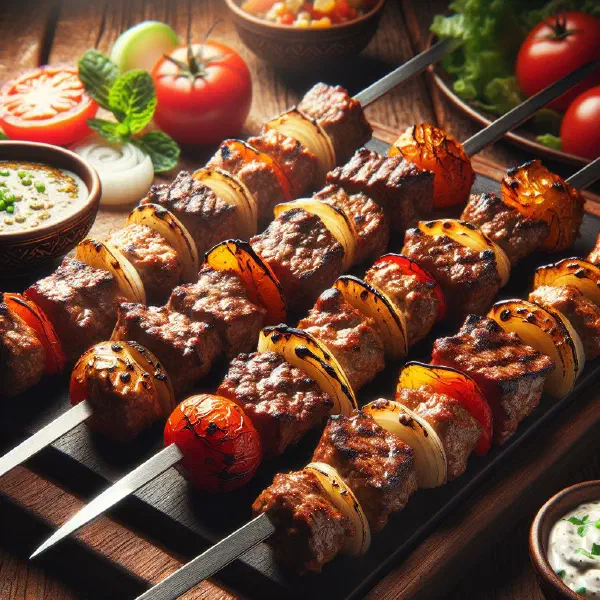
Discover Mshikaki, Tanzania’s beloved skewered street food. Cubes of beef or chicken are steeped in a garlicky, spice-laced marinade and then grilled over glowing coals until smoky and tender. You will find them sizzling on market corners and at family gatherings from Dar es Salaam to Zanzibar, and they are every bit as good cooked on a barbecue at home. Few dishes capture the warmth and sociability of the Tanzanian table quite so well.
About Mshikaki
Mshikaki is a traditional Tanzanian national dish built around juicy, well-seasoned meat skewers. It is a fixture of barbecues and street markets alike, and its popularity shows no sign of fading. The dish brings together a range of flavours and textures, and above all it is food made for sharing, the very definition of conviviality at the table. Mshikaki is not simply something you eat; it is an experience that reflects the culture of Tanzania itself.
Ingredients (serves 1–2)
- 300 g beef or chicken breast, cut into cubes
- 2 tablespoons vegetable oil
- 1 onion, roughly chopped
- 3 garlic cloves, chopped
- 1 teaspoon ground cumin
- 1 teaspoon paprika
- 1 teaspoon chilli powder (to taste)
- 1 teaspoon salt
- Juice of 1 lemon
- Wooden skewers, soaked in water
Shopping for the ingredients
To make mshikaki well, it pays to shop carefully. Fresh, good-quality meat is the single biggest factor in how flavourful and tender the skewers turn out. It is also worth choosing organically grown vegetables to lift both the taste and the overall quality of the dish. Spices such as cumin and paprika are stocked by any well-supplied supermarket, but do make sure they are fresh, stale ground spices will give you a flat, dusty aroma rather than the fragrant depth you are after.
Preparing the dish
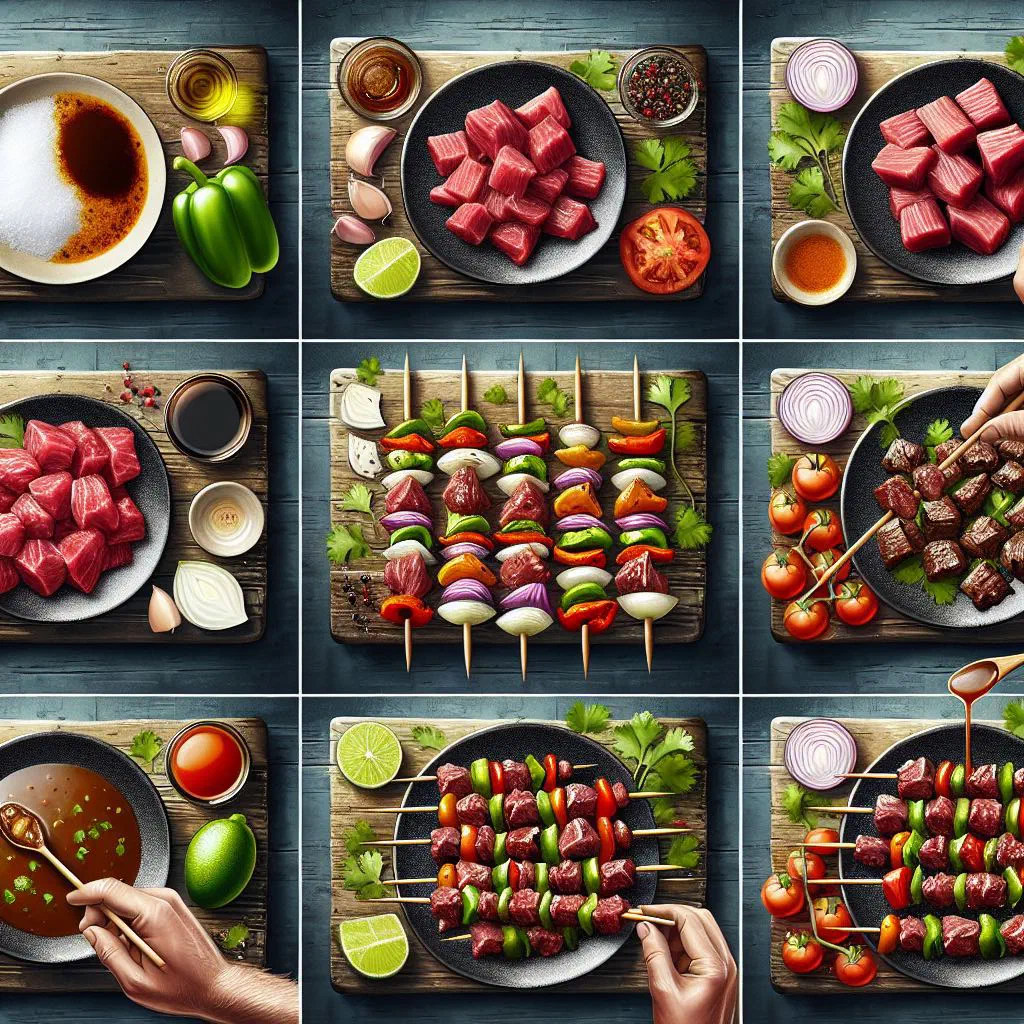
Before you start cooking, get everything properly prepped. Cut the meat into evenly sized cubes so that each piece cooks through at the same rate. The vegetables, especially the onions, should be roughly chopped. Soaking the wooden skewers in water stops them from burning on the grill and gives you a noticeably better result. This kind of groundwork is what makes the grilling itself feel effortless.
Step-by-step instructions
- In a large bowl, combine the oil, onions, garlic and spices and mix thoroughly.
- Add the cubes of meat and turn everything well so the marinade can work its way in. Ideally, leave it to marinate in the fridge for at least 2 hours.
- Thread the marinated meat onto the soaked skewers, spacing the pieces evenly.
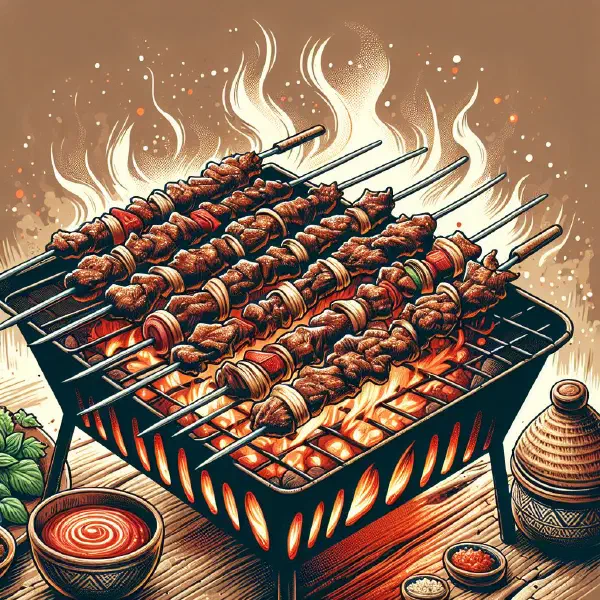
- Preheat the grill and cook the skewers for about 10–15 minutes, turning regularly, until the meat is cooked through and lightly browned.
- Serve the mshikaki skewers warm, with whatever sides you fancy.
Gluten-free / lactose-free version
Mshikaki is naturally gluten-free and lactose-free. The ingredients used are, as a rule, entirely suitable for anyone with those intolerances. Do check, though, that the spices and oils you reach for are themselves free from gluten and lactose, since blends and processed products can occasionally hide traces of both. With that small precaution, this delicious dish is open to everyone, whatever their dietary needs.
Tips for vegans and vegetarians
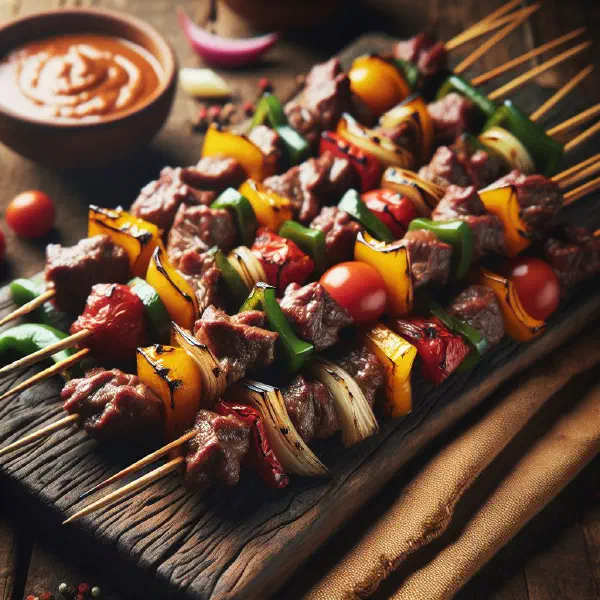
Mshikaki adapts easily into a vegan or vegetarian version. In place of meat, use courgette, peppers, mushrooms or tofu. These take on the spices beautifully and give you an excellent texture on the grill. Cook the skewers exactly as you would the original and you will still get the full range of East African flavours in a plant-based form. Firm vegetables also hold together well on the skewer, much like the produce in a bright, crunchy Kachumbari.
More tips and tricks
For the best results, preheat the grill properly and resist the temptation to crowd the skewers. Leaving a little space between the pieces of meat allows the heat to circulate and everything to cook evenly. Serving mshikaki with a barbecue sauce or a chutney-style relish alongside adds another welcome layer of flavour. This is a forgiving dish that rewards experimentation.
Adapting the recipe to your taste
Adjust the spices and ingredients to suit your own palate. Experiment with different marinades, or add aromatic extras such as ginger or curry powder. The choice of meat can vary too: lamb or pork will each take the dish in a different direction, much as goat does in the classic Mbuzi Choma. With adjustments like these, the recipe becomes unmistakably your own.
Ingredient substitutions
Whether for dietary reasons or simple preference, there are plenty of alternatives to the usual ingredients. Swapping the beef or chicken for turkey or fish gives you a fresher, lighter version of the skewers. Among the spices, locally available blends work perfectly well and still deliver that characteristic flavour. Soya escalopes or tempeh are another interesting substitution that brings something new to the recipe.
Drink pairing ideas
Refreshing drinks suit mshikaki particularly well. Try fresh fruit juices such as mango or pineapple, which balance the spiced, smoky notes of the meat. A cold beer or a light white wine also works nicely. For anyone avoiding alcohol, mint tea or a flavoured lemonade is an excellent choice, as is a cup of sweet, milky Chai Ya Maziwa.
Serving and presentation ideas
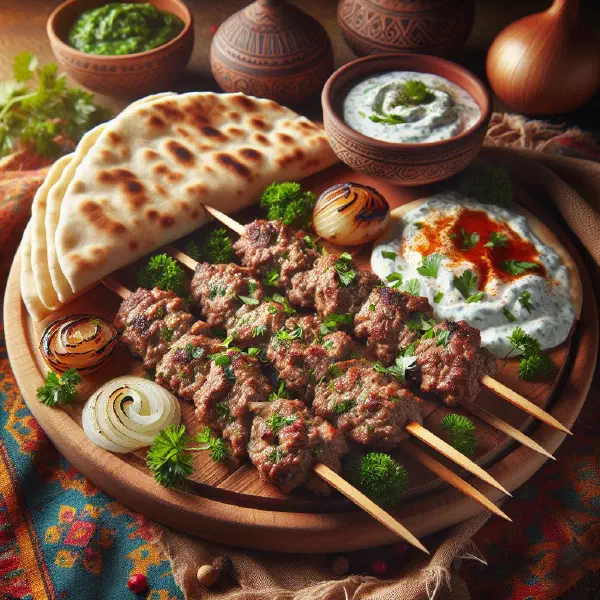
The way you present mshikaki can genuinely impress your guests. Serve the skewers on a large platter, garnished with fresh herbs such as coriander or parsley. Set out a selection of sauces in small bowls for dipping, and add a side of Ugali to make the meal more substantial. Dressing the table with African textiles and simple decorations rounds off the whole culinary experience.
A bit of history
Mshikaki originated in East Africa, where it has long been cooked at markets and celebrations. The dish has cultural and historical roots that run deep in African food traditions. It is a symbol of community and companionship, since sharing food is a central part of Tanzanian life. The use of spices and fresh ingredients reflects the sheer variety of Tanzanian cuisine, shaped over centuries by trade across the Indian Ocean.
More recipe ideas
Summary: Mshikaki
Mshikaki is far more than a plate of grilled meat; it is a real pleasure, combining bold, aromatic flavours with the freedom to vary the recipe however you like. With just a handful of ingredients and a few straightforward steps, you can bring a genuine culinary experience from Tanzania into your own kitchen. Mshikaki promises flavours worth remembering. Take inspiration from it and enjoy the wide, generous taste of Tanzania.