National Dish Tanzania: Muhogo wa Nazi (Recipe)
In this article
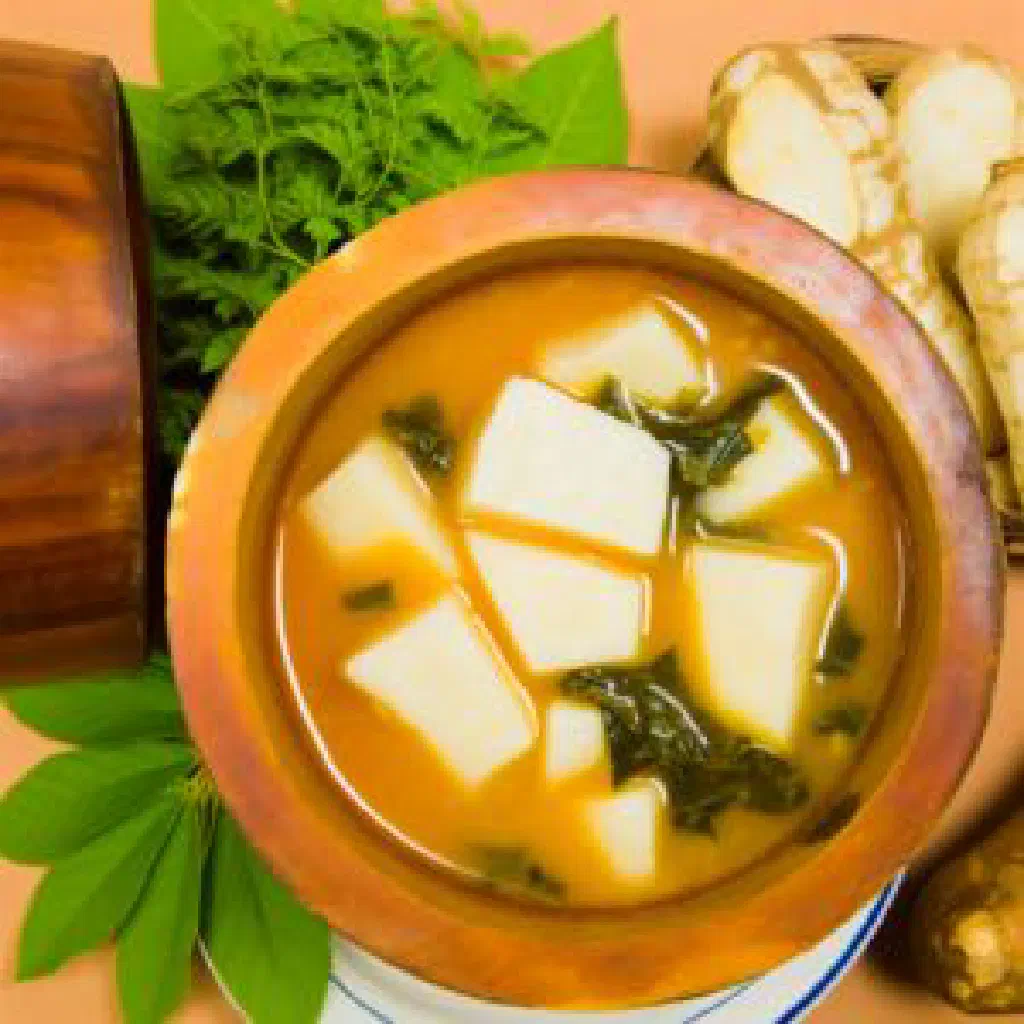
Meet Muhogo wa Nazi, a gently sweet, deeply comforting Tanzanian dish built on just two star ingredients: cassava and coconut milk. Tender chunks of root soak up a silky, faintly sweet sauce until every bite tastes of the Indian Ocean coast. It is humble food in the best sense, cheap, filling and quietly luxurious, and it comes together in one pan with barely any fuss. It is a wonderful introduction to the tropical flavours of East Africa.
About Muhogo wa Nazi
Muhogo wa Nazi is a captivating dish from Tanzania that captures the essence of tropical cooking. Its two main ingredients, cassava and coconut, create a harmonious balance of savoury depth and natural sweetness. This traditional dish has been passed down through generations and remains a firm favourite with locals and visitors alike.
Ingredients (serves 1–2)
- 300 g cassava (fresh or frozen)
- 200 ml coconut milk
- 1 teaspoon salt
- 1 teaspoon sugar (optional)
- Water, for boiling
Shopping for the ingredients
Pay close attention to the freshness of the cassava. A good root has smooth, unblemished skin and feels firm to the touch. Coconut milk is stocked by most supermarkets, both in tins and in cartons; choose a good-quality coconut milk if you want the best possible flavour. African and Asian grocers, as well as local markets, are excellent places to find fresh roots, and the same shops will stock what you need for a pot of Maharagwe ya Nazi.
Preparing the dish
Start by peeling the cassava thoroughly and cutting it into small, evenly sized pieces so that it cooks at the same rate throughout. Once prepared, tip the cassava into a pan and cover it generously with water, making sure the pieces are fully submerged. It is important to wash the cassava well before boiling, both to remove any dirt and to draw out the bitter compounds that sit in the root.
Step-by-step instructions
- Peel the cassava and cut it into small pieces.
- Place the cassava in a pan and add enough water to cover it completely.
- Bring the water to the boil and simmer the cassava for around 20–30 minutes, until tender.
- Drain off the water and return the cassava to the pan.
- Add the coconut milk, the salt and, if you like, the sugar.
- Warm the mixture over a low heat, stirring well, until the coconut milk has been fully absorbed by the cassava.
- Serve Muhogo wa Nazi warm, either as a side dish or as a main course.
Gluten-free / lactose-free version
One of the great advantages of Muhogo wa Nazi is that it is naturally gluten-free and lactose-free. Cassava is an excellent alternative to grain-based staples, and coconut milk stands in beautifully for dairy. Simply check that any additional ingredients you use are certified free from gluten, and the dish is suitable for anyone with a coeliac diagnosis or a dairy intolerance without a single change to the method.
Tips for vegans and vegetarians
Muhogo wa Nazi is an ideal dish for vegans and vegetarians, as it is entirely plant-based from the outset. To boost its nutritional value, stir in extra vegetables or pulses, peas and carrots both work well and add welcome colour. Because the creaminess comes from plant-based coconut milk rather than dairy, no substitution is needed at all, which makes this one of the easiest vegan dishes in the Tanzanian repertoire.
More tips and tricks
To deepen the flavour of Muhogo wa Nazi, add warming spices such as cardamom or cinnamon, both of which sit beautifully alongside tropical ingredients. Another trick worth trying is to toast the cassava lightly in the dry pan before you add the coconut milk; this lends the finished dish a pleasantly nutty note and a little more character. Keep the heat low once the coconut milk goes in, as boiling it hard can cause it to split.
Adapting the recipe to your taste
There are plenty of ways to tailor Muhogo wa Nazi to your own preferences. Reduce the quantity of coconut milk if you would rather the dish were less creamy, or add a spoonful of honey or agave syrup for a sweeter finish. The consistency is entirely up to you: some cooks prefer it thick enough to hold its shape on the plate, while others like it looser and more sauce-like, depending on how it is being served.
Ingredient substitutions
If cassava proves hard to find, swap in another starchy root such as yam or ordinary potatoes. Each brings its own flavour, but both marry well with coconut milk. Millet or quinoa are further options, delivering good texture and a nutty taste of their own, much as the grains do in a plate of Makande. Do bear in mind that cooking times vary considerably from one ingredient to the next, so plan accordingly.
Drink pairing ideas
A number of drinks go splendidly with Muhogo wa Nazi. A fresh, fruity lemonade or a tropical smoothie makes a refreshing accompaniment, while a spiced milky tea in the style of Chai ya Maziwa is the traditional choice in Tanzanian homes. If you would prefer something alcoholic, a light beer or an easy-going tropical cocktail suits the dish nicely. Herbal or green tea rounds the meal off and aids digestion.
Serving and presentation ideas
Presentation can make all the difference to the Muhogo wa Nazi experience. Serve the dish in a large communal bowl and garnish it with fresh herbs such as coriander or chives. Toasted coconut flakes or brightly coloured vegetables can be arranged on top for contrast. Take the time to lay the table properly: sharing food from a central bowl underlines the cultural significance of the dish and creates a warm, welcoming atmosphere.
A bit of history
Muhogo wa Nazi has its roots in the traditional cooking of Tanzania, where cassava and coconut appear again and again. Cassava is a vital food source across much of Africa and is widely regarded as a staple crop, prized for thriving in poor soils and surviving drought. Pairing it with coconut milk reflects the influence of tropical agriculture on Tanzanian cuisine, since coconut palms grow abundantly along the coast and on Zanzibar. The dish is a marker of tradition and culture, and it is regularly served at festivals and family gatherings.
More recipe ideas
Summary: Muhogo wa Nazi
In short, Muhogo wa Nazi is a delicious and nourishing dish that brings together the flavours of Tanzania and the wider tropical kitchen. Simple to prepare and easy to adapt, it suits almost any occasion. As a side or as part of a celebratory buffet, it is sure to win people over. Let this coastal classic inspire you and enjoy a memorable tour.