National Dish Tanzania: Pilau ya Tanga (Recipe)
In this article
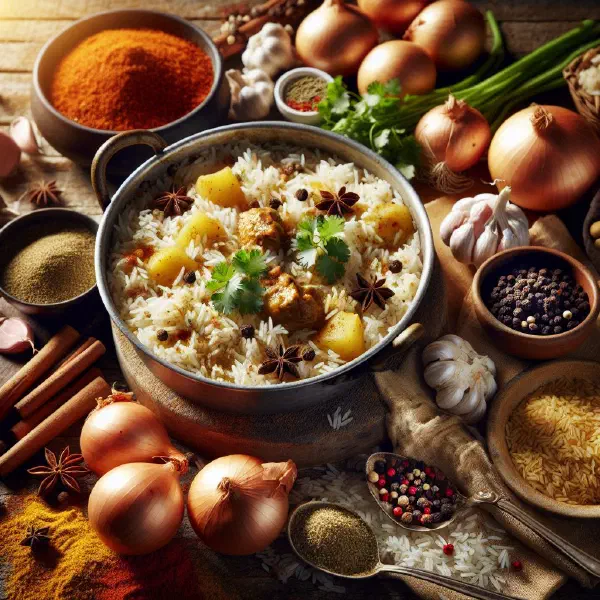
Meet Pilau ya Tanga, the fragrant spiced rice that carries the scent of Tanzania’s Swahili coast straight into your kitchen. Named after the port city of Tanga, this one-pot dish layers basmati rice with warm cinnamon, cumin and coriander until every grain is perfumed. It appears at weddings, at Eid tables and at any gathering worth celebrating, yet it is simple enough for an ordinary weeknight. If you fancy exploring new culinary territory, this is a fine place to start.
About Pilau ya Tanga
Pilau ya Tanga is a traditional dish with its origins in the coastal region of Tanzania. It is frequently served at festive occasions and is regarded as a symbol of hospitality. The combination of fragrant rice and aromatic spices creates an unmistakable flavour experience, one that sits comfortably alongside coastal classics such as Biriani Ya Pwani. This dish is ideal for anyone who would like to discover new culinary horizons.
Ingredients (serves 1–2)
- 1 cup basmati rice
- 200 g chicken, diced
- 1 onion, finely chopped
- 2 cloves of garlic, crushed
- 1 tsp cumin
- 1 tsp coriander
- 1 tsp cinnamon
- 2 tsp olive oil
- 1 cup vegetable stock
- Salt and pepper to taste
- Fresh coriander leaves, to garnish
Shopping for the ingredients
For pilau ya Tanga you should look for fresh, good-quality produce. It matters in particular that the meat is tender and juicy, as this guarantees the best flavour. Spices are the heart of the dish; from cumin through to cinnamon, every ingredient contributes to the rich aroma. Visit an Asian or African grocery shop to track down authentic ingredients.
Preparing the dish
Before you begin cooking Pilau ya Tanga, gather all your ingredients together. Wash the rice thoroughly to remove excess starch, then leave it to soak for about 30 minutes. This ensures the rice cooks evenly and takes on a light, fluffy consistency. Now prepare the vegetables and the meat, cutting everything into pieces of a similar size.
Step-by-step instructions
- Heat the olive oil in a large pan over a medium heat.
- Add the onion and sauté until golden brown.
- Add the garlic and the spices and toast them briefly to release their aromas.
- Add the chicken and fry until cooked through.
- Now stir in the soaked rice and mix well.
- Pour in the vegetable stock and bring everything to the boil.
- Cover the pan, reduce the heat and leave the dish to simmer for around 20 minutes.
- Before serving, garnish the Pilau ya Tanga with fresh coriander leaves.
Gluten-free / lactose-free version
For anyone avoiding gluten or lactose, Pilau ya Tanga adapts with very little effort. The dish is naturally gluten-free, as it is built on rice. For a lactose-free version, simply use a plant-based stock. Check that all the spices and ingredients you use are likewise free from gluten and lactose.
Tips for vegans and vegetarians
Vegan and vegetarian versions of pilau ya Tanga are easy to put together. Replace the chicken with tofu or with whatever vegetables you like. A mixture of chickpeas, carrots and peas makes an excellent protein-rich addition, much in the spirit of Maharagwe Ya Nazi. When buying spices, look out for vegan products to be sure your dish contains no animal ingredients.
More tips and tricks
To get the most out of your pilau ya Tanga, experiment with the spices. Add a little chilli if you prefer a sharper edge to the dish. Using fresh herbs will intensify the flavour too. Let the rice rest for a few minutes after cooking. This loosens the grains and gives the aromas time to open up properly.
Adapting the recipe to your taste
You can easily adapt pilau ya Tanga to your own preferences. Add different vegetables, such as peppers or courgettes, to make the dish more colourful. The choice of spices can be varied as well, creating entirely new flavour experiences. Give your creativity free rein and turn the dish into a speciality of your own.
Ingredient substitutions
If you do not have every ingredient for pilau ya Tanga to hand, there are plenty of alternatives. Instead of basmati rice you can use jasmine rice or even quinoa. For those who are not keen on chicken, lamb works splendidly, and goat suits the dish just as well, as it does in Mbuzi Choma. Experiment with different stocks to shape the flavour around your own tastes.
Drink pairing ideas
Suitable drinks to serve with pilau ya Tanga include traditional East African options such as malt beer or a light red wine. These complement the flavours of the dish and round off the meal nicely. A refreshing mango juice also goes very well with the spices. Unsweetened iced tea is another good choice for supporting the range of aromas, as is a milky spiced Chai Ya Maziwa.
Serving and presentation ideas
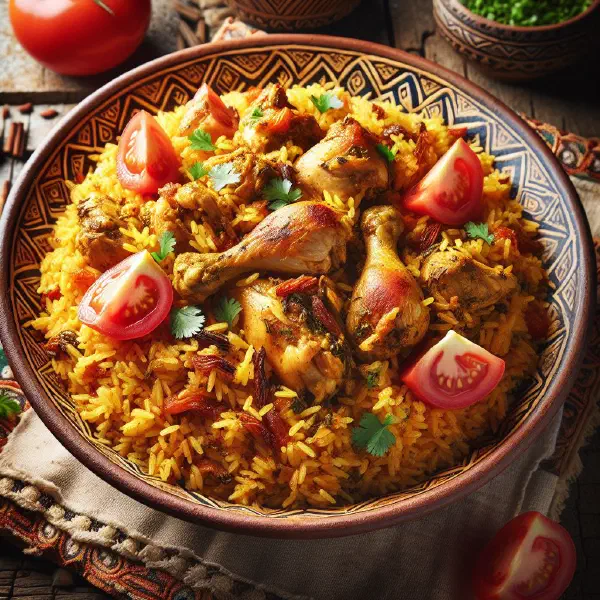
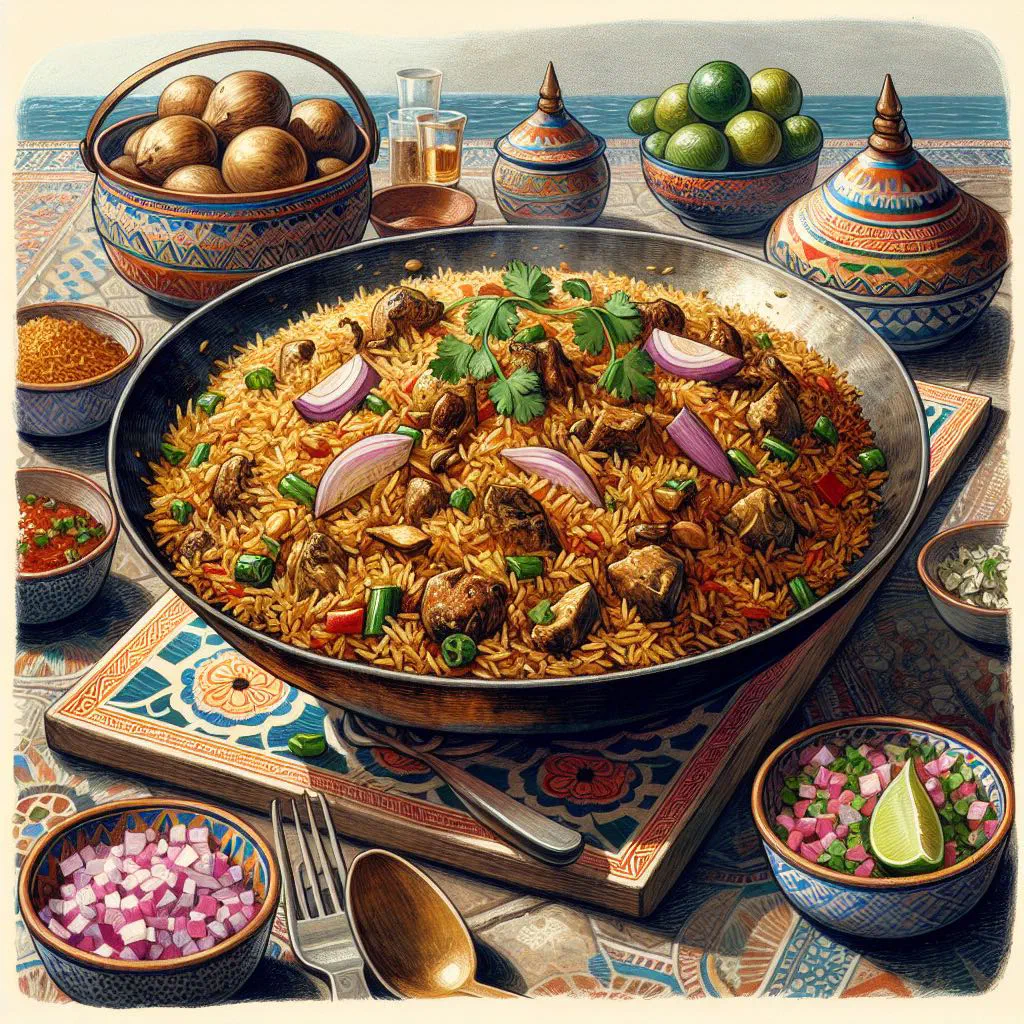
The presentation of pilau ya Tanga can lift the entire dining experience. Serve the dish in colourful bowls and garnish it with fresh herbs for a visual highlight. Adding toasted nuts or dried fruit will enhance the dish both in flavour and in appearance. Arranging everything on a large platter creates an inviting atmosphere at the table.
A bit of history
Pilau ya Tanga has a rich cultural background, rooted deep in the history of Tanzania. The dish is the product of a slow merging of Arab, Indian and indigenous cooking over the centuries. Historically, pilau was often served on special occasions, which underlines its significance in Tanzanian society. Today it is enjoyed at festivals and as part of everyday eating, and it remains one of the defining dishes of Tanzanian cuisine.
More recipe ideas
Summary: Pilau ya Tanga
In summary, pilau ya Tanga is a fascinating and flavourful dish that represents the cultural traditions of Tanzania. With its wealth of aromas and the ease with which it can be adjusted to personal taste, it suits any celebration or family meal. With vegetables or in a vegan version, this dish has something to offer every palate. Let the flavours of East Africa win you over and enjoy pilau ya Tanga at your next meal.