National Dish Tanzania: Pweza wa Nazi (Recipe)
In this article
Meet Pweza wa Nazi, the fragrant octopus-in-coconut dish that defines cooking along Tanzania’s Indian Ocean shoreline. Tender seafood meets a silky, gently sweet coconut sauce brightened with garlic, ginger and a squeeze of lemon, the sort of plate that tastes of sea breeze and sunshine. It comes together in well under half an hour, yet feels special enough for guests.
About Pweza wa Nazi
Pweza wa Nazi is a captivating national dish from Tanzania, treasured above all in the coastal regions. At its heart is tender octopus, simmered slowly in a creamy coconut sauce until it soaks up every bit of the aroma. The pairing of fresh seafood with the fruity sweetness of the coconut makes this dish a memorable experience. Whether for a special occasion or simply for the pleasure of eating well, Pweza wa Nazi is without doubt a highlight of Tanzanian cooking.
Ingredients (serves 1–2)
- 300g octopus (preferably fresh)
- 200ml coconut milk
- 1 onion, finely chopped
- 2 garlic cloves, crushed to a paste
- 1/2 teaspoon ground ginger
- Juice of 1 lemon
- Salt and pepper to taste
- Fresh coriander leaves, to garnish
Shopping for the ingredients
With Pweza wa Nazi, the quality of the seafood is everything. Head to a trusted fishmonger for fresh octopus, since this guarantees the best flavour. Take equal care to choose good-quality coconut milk, as it is what gives the sauce its creaminess. Green coriander leaves lend the dish flavour and an appealing splash of colour, much as they do in a classic Mchuzi wa Kamba.
Preparing the dish
The preparation is straightforward and quick. Begin by cleaning the octopus and cutting it into bite-sized pieces. While you work, get the onion and garlic ready, since these form the aromatic base of the sauce. It pays to have every ingredient laid out before you start cooking, so the whole process runs smoothly from pan to plate.
Step-by-step instructions
- Heat a little oil in a pan and add the chopped onion. Fry until translucent.
- Add the crushed garlic and the ground ginger and fry everything for about a minute.
- Add the octopus to the pan and sear briefly until lightly browned.
- Pour in the coconut milk and season with salt, pepper and lemon juice. Leave to simmer over low heat for around 15 minutes.
- Serve the dish hot and garnish with fresh coriander leaves.
Gluten-free / lactose-free version
The recipe for Pweza wa Nazi is naturally gluten-free and lactose-free, which makes it an excellent choice for anyone with intolerances. The main ingredients, octopus and coconut milk, contain neither gluten nor lactose. Do check, however, that any spices and additional ingredients you buy are also certified gluten-free.
Tips for vegans and vegetarians
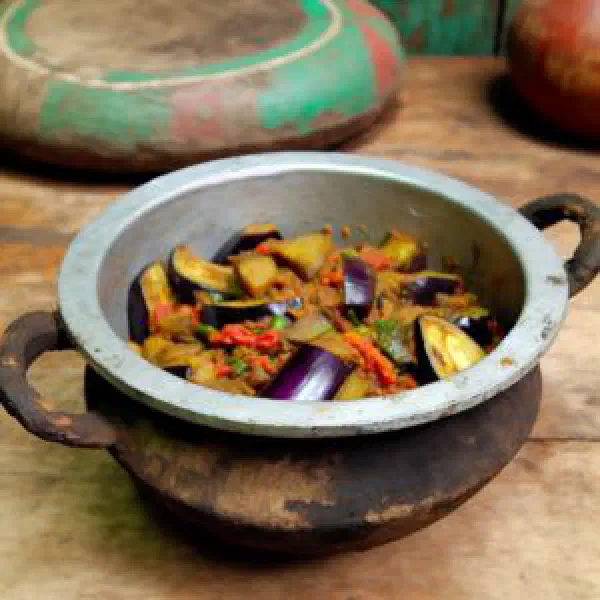
Although Pweza wa Nazi is traditionally made with octopus, vegan and vegetarian versions work well too. In place of the seafood you can use a soya-based fish alternative or mashed aubergine to achieve a comparable texture. The coconut milk and the spices stay exactly the same, so the dish keeps its distinctive character, the same trick that works beautifully in Biringanya Curry. The recipe adapts readily to suit all sorts of tastes.
More tips and tricks
To get the very best from Pweza wa Nazi, keep a few things in mind. Take care not to overcook the octopus, or it will turn rubbery, a short cooking time preserves its tender bite. Experiment with further spices such as chilli or cumin to give the dish a personal signature.
Adapting the recipe to your taste
The recipe for Pweza wa Nazi is wonderfully versatile and easy to tailor to personal preference. Add more vegetables, peppers or broccoli, for instance, to make it more substantial. Work in your favourite herbs, or try different brands of coconut milk to find the consistency you like best. Adjustments like these also help make the dish attractive to anyone following a particular diet.
Ingredient substitutions
If some ingredients are hard to find, there are excellent alternatives that still let you cook Pweza wa Nazi. Frozen octopus works in place of fresh, provided it is thawed thoroughly and patted dry first. If coconut milk is not to hand, almond milk will deliver a slightly different but equally satisfying creaminess. The important thing is to stay inventive and not let a missing ingredient stop you.
Drink pairing ideas
Since Pweza wa Nazi is gently sweet and lightly spiced, light drinks suit it perfectly. A refreshing beer or a tropical cocktail is ideal for rounding out the flavours. A crisp white wine is another excellent choice. These drinks support the taste of the food and help make the whole meal feel complete.
Serving and presentation ideas
Presentation matters when serving Pweza wa Nazi. Use colourful plates or bowls and garnish generously with fresh herbs and citrus. Tropical fruits such as pineapple or mango make lovely decorative touches, and a bright side of Kachumbari adds contrast on the plate. A handsome presentation lifts the whole occasion and makes every mouthful more enjoyable.
A bit of history
The roots of Pweza wa Nazi reach deep into traditional Tanzanian cooking, which has been shaped strongly by the Indian Ocean coast. Octopus and coconuts are two of the defining ingredients, brought together over centuries by trade routes and the exchange between cultures along the Swahili shore. The marriage of seafood and coconut is not merely delicious; it also is a symbol of the natural abundance of the Tanzanian coastline and of Tanzanian cuisine as a whole.
More recipe ideas
Summary: Pweza wa Nazi
The combination of tender octopus and creamy coconut sauce delivers a flavour experience unlike any other, and one that wins over every palate. This recipe is an asset to any menu. Give it a go and let the tropical aromas of Tanzania work their magic.