National Dish Tanzania: Samosa za Nyama (Recipe)
In this article
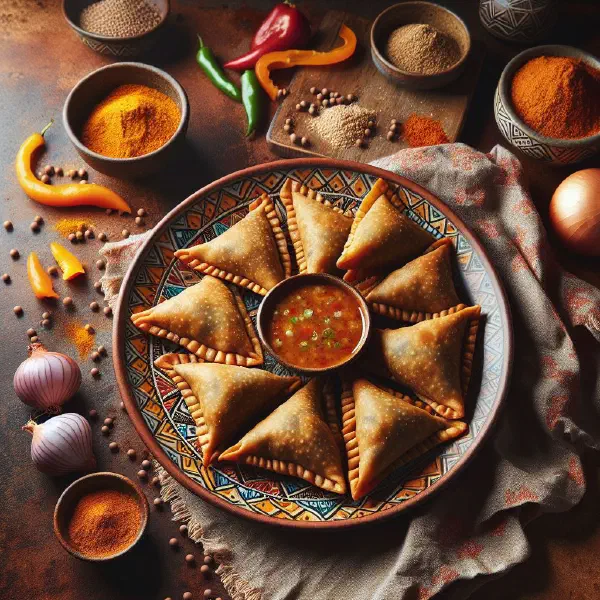
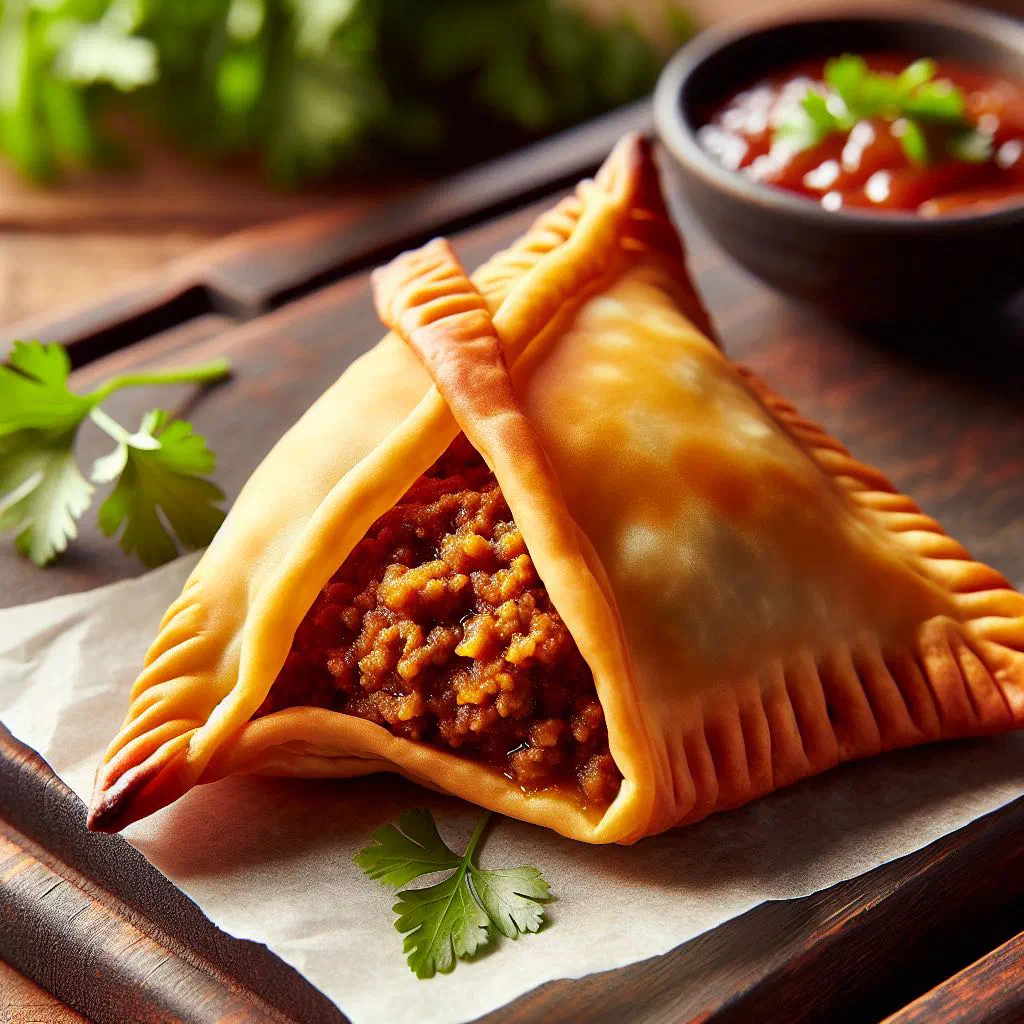
Few things capture the everyday flavour of Tanzania quite like a plate of freshly fried Samosa za Nyama. These crisp little pastry triangles hide a warmly spiced meat filling, and they turn up everywhere, at street stalls, family gatherings and festive celebrations along the coast. They are quick to put together, endlessly adaptable and impossible to eat just one of. Here is how to make them properly at home.
About Samosa za Nyama
Samosa za Nyama are a genuine treat and a fixture of Tanzanian cooking. These crisp pastry parcels are filled with spiced meat and deliver a flavour experience quite unlike anything else on the table. In Tanzania samosas are not merely a popular snack but an important part of feasts and celebrations, served alongside staples such as Chapati and cooling Kachumbari. They reflect the country’s rich culinary culture and are a must for anyone keen to get to know African cooking.
Ingredients (serves 1–2)
- 200 g minced meat (beef or chicken)
- 1 small onion, finely chopped
- 1 garlic clove, crushed
- 1 teaspoon curry powder
- 1/2 teaspoon cumin
- 1/2 teaspoon paprika
- Salt and pepper to taste
- 2–3 sheets of filo pastry or empanada dough
- Oil for deep-frying
Shopping for the ingredients
To buy fresh ingredients for your Samosa za Nyama, local supermarkets or Asian grocery shops are your best bet, as they usually carry a wide range of spices and fresh herbs. Take care to choose good-quality minced meat, since it carries most of the flavour. Fresh vegetables such as onions and garlic matter just as much for the filling. If you can, visit a local market to track down the freshest produce.
Preparing the dish
Preparing Samosa za Nyama is straightforward, but a few steps need attention if the parcels are to turn out perfectly. Begin by chopping the onions and garlic finely and measuring out the spices. The meat should be seasoned ahead of time so the aromas have a chance to work their way through. This preparation stage is what allows the full flavour of the dish to develop.
Step-by-step instructions
- Heat the oil in a frying pan and sauté the onions and garlic until golden brown.
- Add the minced meat and fry well until cooked through.
- Stir in the spices — curry powder, cumin, paprika, salt and pepper — and mix thoroughly.
- Roll out the pastry and cut it into squares. Spoon the meat filling into the centre of each square.
- Brush the edges of the pastry with water, fold the samosas over and seal them firmly.
- Heat oil in a deep pan and fry the samosas until golden brown.
- Drain on kitchen paper and serve hot.
Gluten-free / lactose-free version
If you eat gluten-free, you can swap the traditional pastry for a gluten-free dough, widely available in health-food shops. Rice paper wrappers make an equally delicious alternative. As for lactose, the recipe is already suitable in its basic form, since it contains no dairy at all. Just keep the filling fresh and free of unnecessary additives.
Tips for vegans and vegetarians
To make Samosa za Nyama vegan or vegetarian, simply replace the meat with fried vegetables, tofu or lentils. Spices such as turmeric, garam masala and coriander give the filling plenty of depth. Avoid animal fats when frying and reach for vegetable oils instead, much as you would when cooking Dengu.
More tips and tricks
The single most important tip for Samosa za Nyama is to make sure the oil is at the right temperature, so the pastry comes out crisp rather than greasy. If the oil is too cool, the samosas simply will not brown properly. Let them drain well after frying to shed any excess oil. It is also worth trying different spice combinations to create variations of your own.
Adapting the recipe to your taste
For a personal touch, adjust the filling of your Samosa za Nyama however you like. Add fresh herbs such as coriander or parsley to lift the aroma. You can combine different types of meat, or throw in hot chillies for an extra kick. Experiment freely with spices and ingredients until the dish tastes exactly the way you want it to.
Ingredient substitutions
If some of the ingredients prove hard to find, there are usually good alternatives. Instead of minced meat, try fish for a coastal note reminiscent of Samaki wa Nazi. Using potatoes in place of meat brings welcome variety and is especially popular with vegetarians. The spice mix can be varied too, so feel free to experiment until you hit on the blend that suits your palate best.
Drink pairing ideas
Samosa za Nyama go beautifully with refreshing drinks that balance the spice of the filling. A fresh mint tea or a fruity mango smoothie makes an excellent companion and provides pleasant relief from the heat. For something closer to home, a milky spiced Chai ya Maziwa is a classic choice. These options round off the whole experience nicely.
Serving and presentation ideas
Presentation can make all the difference when serving Samosa za Nyama to guests. Arrange the samosas on an attractive platter and garnish them with fresh herbs such as coriander or spring onions. A dip of yoghurt or a fiery chilli sauce also shows them off well. A thoughtful arrangement signals the care that went into the cooking and leaves a lasting impression.
A bit of history
Samosa za Nyama trace their origins to Indian cuisine and were adapted over the centuries by many different cultures. In Tanzania they are now a much-loved snack and a fixture of the local food scene, a legacy of the trading routes that also shaped dishes such as Pilau. Once reserved largely for special occasions, they are today everywhere, in restaurants and at markets alike. Their versatility and delicious flavour have made them a symbol of Tanzanian cuisine.
More recipe ideas
Summary: Samosa za Nyama
In short, Samosa za Nyama are an indispensable part of Tanzanian cooking, winning people over with their rich flavour and crisp texture. They are easy to prepare and thoroughly enjoyable to make. The scope for adaptation is enormous, so you can shape the dish entirely around your own preferences. Let the aromas of Africa work their magic and enjoy these delicious little pastries at your next meal.