National Dish Tanzania: Visheti (Recipe)
In this article
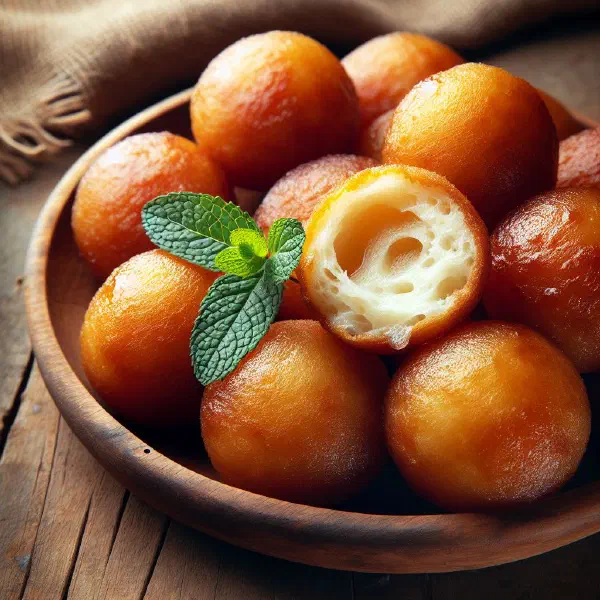
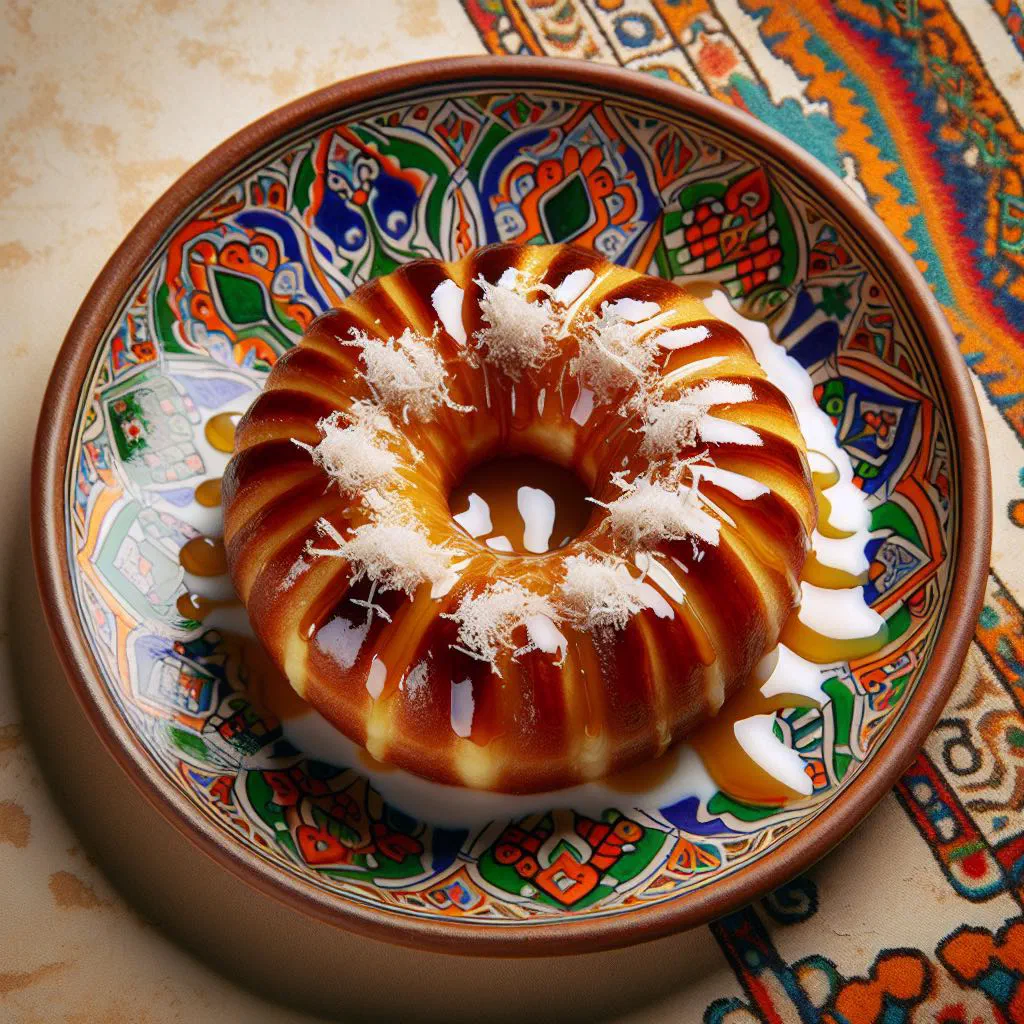
Visheti are Zanzibar’s syrup-soaked sweets: cardamom-scented yeast dough shaped into small logs or plaits, fried golden and then dipped in sugar syrup so they glisten. They appear in quantity at Eid, when trays of them are carried between houses, and they keep for days — which is precisely the point.
About Visheti
Visheti are sweet fried dough pastries, prized above all on Zanzibar for festive occasions such as the end of Ramadan. The cardamom-spiced yeast dough is shaped into rolls or plaits, fried to a deep gold and then steeped in fragrant sugar syrup. They belong to the Swahili coast’s rich tradition of spiced sweets, shaped by centuries of Indian Ocean trade.
Ingredients (serves 1–2)
- 200 g plain wheat flour
- 1 teaspoon dried yeast
- 2 tablespoons sugar
- 120 ml lukewarm water
- 1 teaspoon ground cardamom
- A pinch of salt
- 150 g sugar and 100 ml water, for the syrup
- 1 teaspoon lemon juice
- Vegetable oil, for deep-frying
Shopping for the ingredients
Nothing here is unusual, but the cardamom carries the whole thing, so use a fresh packet or grind the pods yourself. Zanzibar is one of the world’s great spice islands, and the quality of the cardamom is genuinely what distinguishes good visheti from ordinary fried dough.
Preparing the dish
Make the dough and let it rise properly, an hour in a warm place. While it rises, make the syrup and let it cool to lukewarm; the classic technique is hot pastries into cool syrup, which makes them absorb without going soggy. Heat the oil to about 170 °C before shaping.
Step-by-step instructions
- Dissolve the yeast and sugar in the lukewarm water; leave 10 minutes until foaming.
- Mix in the flour, cardamom and salt, and knead to a smooth, soft dough.
- Cover and leave to rise for 1 hour, until doubled.
- Meanwhile, boil the syrup sugar with the water and lemon juice for 5 minutes; cool.
- Roll the dough out and cut into small logs, or twist into plaits.
- Fry at 170 °C for 3–4 minutes, turning, until deep golden.
- Drain briefly, then dip the hot pastries into the cool syrup for 30 seconds.
- Lift out and leave to set on a rack.
Gluten-free / lactose-free version
Visheti are naturally lactose-free. A gluten-free version works with a bread-specific flour blend, though the dough is more delicate, shape it with oiled hands and fry at a slightly lower temperature.
Tips for vegans and vegetarians
The sweets are vegan exactly as written: flour, yeast, sugar, cardamom and oil. They are a reliable choice for a mixed gathering, and they are traditionally made without dairy precisely so they keep well in a hot climate.
More tips and tricks
Hot pastry into cool syrup, reverse it and you get a soggy mess. Do not leave them in the syrup longer than about thirty seconds. And fry them a shade darker than looks right, since the syrup lightens their appearance and softens the crust.
Adapting the recipe to your taste
Coconut milk in place of some of the water enriches the dough considerably and is common on Zanzibar. Rose water or saffron in the syrup makes them more festive. A scatter of sesame seeds before frying adds texture.
Ingredient substitutions
Honey syrup can replace sugar syrup for a different flavour. Nutmeg or cinnamon substitute for some of the cardamom. Semolina worked into the dough gives a slightly grainier, more biscuit-like result.
Drink pairing ideas
Spiced Swahili tea (chai ya tangawizi, with ginger) is the traditional companion and cuts the sweetness well. Strong black coffee works too. On Zanzibar, they are also eaten with a glass of fresh sugarcane juice.
Serving and presentation ideas
Serve visheti piled on a plate, glistening with syrup, alongside tea. At Eid they are arranged on large trays with other sweets and offered to every visitor. They keep for several days in an airtight tin, and the syrup coating means they stay pleasantly chewy.
A bit of history
Zanzibar sat at the centre of the Indian Ocean spice trade for centuries, and its cooking absorbed Arab, Persian and Indian influences along with the cardamom, cloves and cinnamon that grew on the island. Syrup-soaked fried sweets appear across that whole trading world, and visheti are the Swahili coast’s version. They offer a genuine window onto Tanzanian cuisine.
More recipe ideas
Summary: Visheti
Visheti are cardamom yeast pastries fried golden and dipped in sugar syrup, Zanzibar’s festive sweet. Hot dough into cool syrup, thirty seconds only, and they keep for days on the tea tray.