National Dish Tanzania: Wali wa Maharage (Recipe)
In this article
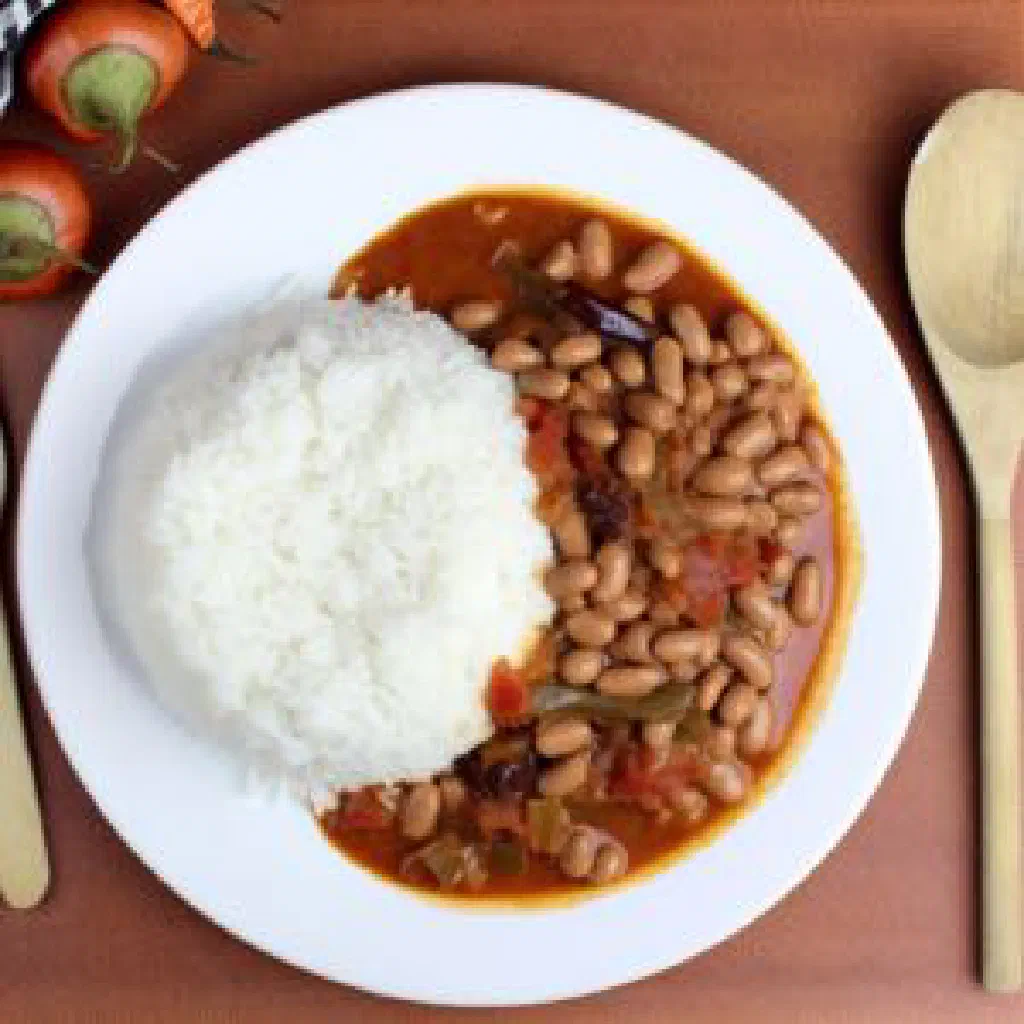
Few dishes say home cooking in Tanzania quite like Wali wa Maharage, soft rice paired with tender beans, all brought together in a fragrant coconut sauce. It is the sort of meal that turns up at Sunday family gatherings and celebrations alike, yet it is simple enough to cook on an ordinary weeknight. With little more than a handful of storecupboard staples and a tin of coconut milk, you can bring the warm, gently spiced flavours of the East African coast to your own table.
About Wali wa Maharage
Wali wa Maharage is a traditional Tanzanian dish that wins over locals and visitors in equal measure. At its heart is a delicious combination of rice and tender beans, simmered in an aromatic coconut sauce that gives the dish its silky character. It represents the rich culinary culture of Tanzania and often appears at festive occasions or family get-togethers. The sheer simplicity of the recipe also makes it a firm favourite for everyday cooking, sitting comfortably alongside coastal classics such as Pilau.
Ingredients (serves 1–2)
- 1 cup rice
- 1 cup beans (preferably kidney beans)
- 1 tin coconut milk
- 1 onion, diced
- 2 cloves of garlic, chopped
- 1 teaspoon fresh ginger, grated
- Salt and pepper to taste
- A little vegetable oil for frying
Shopping for the ingredients
For Wali wa Maharage it is important to choose fresh, good-quality produce. The beans should ideally be fresh, or properly dried and free from preservatives. Coconut milk can often be found in Asian or African grocery shops, frequently in organic quality as well. Onions and garlic should be firm and unblemished, so that they bring the best possible flavour to the dish.
Preparing the dish
To make Wali wa Maharage, careful preparation of the ingredients is essential. First, wash the rice thoroughly to remove excess starch, which can otherwise cause it to clump during cooking. Depending on the type you use, the beans will either need pre-cooking or can go straight into the pan. Finally, have the onion, garlic and ginger ready to hand, as they will later form the aromatic base for the sauce.
Step-by-step instructions
- Bring the beans to the boil in a pan of water and cook for around 30 minutes, depending on their size.
- Meanwhile, cook the rice in a separate pan according to the packet instructions.
- Heat a little vegetable oil in a frying pan and gently sauté the diced onion, garlic and ginger.
- Add the cooked beans along with the coconut milk and stir everything together well.
- Tip the cooked rice into the pan and let it all simmer together for a few minutes.
- Season with salt and pepper and serve hot.
Gluten-free / lactose-free version
Wali wa Maharage is naturally gluten-free and lactose-free, since the main ingredients are simply rice and beans. It is nevertheless worth checking your coconut milk to make sure it contains no unwanted additives. Many brands now offer organic coconut milk, which of course contains no lactose at all. That means anyone following a special diet can enjoy this delicious dish without a second thought.
Tips for vegans and vegetarians
Vegans and vegetarians can prepare Wali wa Maharage with complete confidence, as every ingredient used is plant-based. The combination of rice and beans provides a high-quality source of protein that supports a balanced diet, which makes it naturally vegan. To add even more flavour, stir in extra vegetables such as carrots or peppers. Herbs and spices like coriander or chilli can also be worked into the dish to taste, much as they are in a plate of Mchicha.
More tips and tricks
To make Wali wa Maharage even tastier, try soaking the beans overnight before cooking them: this shortens the cooking time and makes the nutrients more readily available. A squeeze of lime juice just before serving gives the dish a fresh lift. It also helps to let the sauce simmer for longer, so the aromas have time to develop more intensely. Experiment with different varieties of bean, too, and you will discover new flavours each time.
Adapting the recipe to your taste
The beauty of Wali wa Maharage lies in how flexibly it can be adapted to personal preference. You might try different spices, for example, to create a hotter or milder version. Adding protein such as tofu or seitan can enrich the dish and make it more filling. And if you are not keen on the taste of coconut, remember that the coconut milk can be swapped for an alternative plant-based milk.
Ingredient substitutions
If you have no kidney beans to hand, other varieties such as black beans or chickpeas work just as harmoniously in this dish. Almond or soya milk can stand in for the coconut milk, though the flavour will of course differ, for a coconut-forward result, look instead to Maharagwe ya Nazi. For a different gluten-free option, quinoa can replace the rice and lends the dish a nutty note. Bear in mind that every change affects both the taste and the texture of the finished plate.
Drink pairing ideas
A range of drinks pairs well with Wali wa Maharage and complements its savoury character. A refreshing ginger tea is an excellent choice, as it echoes the aromatics in the food. A cool, fruity beer or a crisp white wine also work nicely. For alcohol-free options, freshly pressed juices or a lightly sweetened hibiscus tea come highly recommended.
Serving and presentation ideas
Beyond flavour, presentation plays a real part in the enjoyment of Wali wa Maharage. Serve the dish in a large, attractive bowl so the colours of the individual ingredients stand out. Fresh herbs such as coriander or parsley make a fine garnish and add a touch of freshness. Use colourful plates or dishes to boost the visual appeal, and offer a bright side salad such as Kachumbari to whet your guests’ appetites.
A bit of history
Wali wa Maharage has its roots in traditional Tanzanian cooking, which is strongly shaped by the country’s many cultures and ethnic groups. Rice and beans are staple foods across much of Africa and often symbolise the idea of hospitality. The dish is frequently served at festive occasions and gatherings, which underlines its standing in Tanzanian society. That blend of flavours and ingredients makes it not only filling but genuinely meaningful, a cornerstone of Tanzanian cuisine.
More recipe ideas
Summary: Wali wa Maharage
In short, Wali wa Maharage is a delicious and satisfying dish that captures the flavours of Tanzania. It is easy to prepare and offers plenty of scope for adaptation to suit individual tastes. Let Tanzanian cooking inspire you and create a wonderful culinary experience of your own.