National Dish Timor-Leste: Bolo de Mandioca (Recipe)
In this article
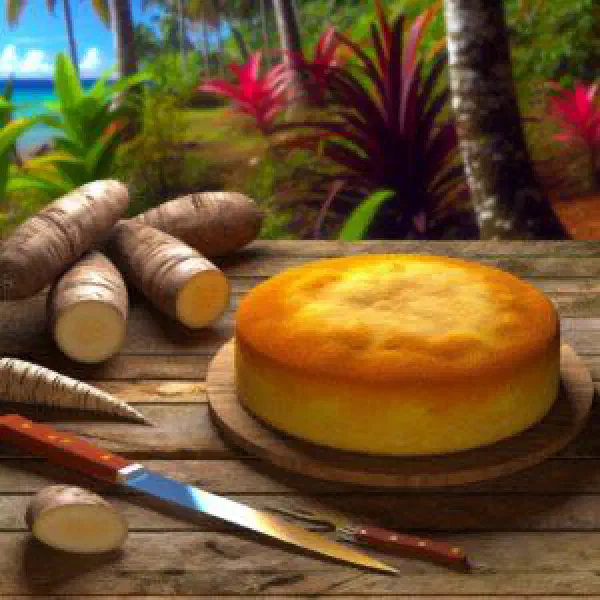
Meet Bolo de Mandioca, a moist and fragrant cassava cake that sits at the heart of Timor-Leste’s dessert tradition. Made from freshly grated cassava, coconut milk and just a handful of storecupboard staples, it delivers a naturally sweet, comforting bite that speaks of celebration and warm hospitality. Simple to prepare yet quietly special, this cake offers a delicious window into the culture of one of Southeast Asia’s youngest nations.
About Bolo de Mandioca
Bolo de Mandioca is far more than a simple dessert; it is a piece of the cultural identity of Timor-Leste. This cake is often served at festivities and gatherings, where it is a symbol of the hospitality of local people. The flavour of fresh cassava, paired with a hint of sweet caramelised sugar, makes it wonderfully aromatic. You will quickly discover that this cake is a lovely way to experience the rich culture of this small country, much like the treats you will find across Timorese cuisine.
Ingredients (serves 1–2)
- 400 g fresh cassava
- 200 g sugar
- 2 eggs
- 100 ml coconut milk
- 1 tsp baking powder
- A pinch of salt
Shopping for the ingredients
To make Bolo de Mandioca you will need only a few easily sourced ingredients. Fresh cassava can be found in Asian or international grocery shops, and it is worth making sure it is fresh and of good quality, since it is the main ingredient of the cake. Alongside it you will need sugar, eggs, coconut milk and baking powder, all of which are usually available in any well-stocked supermarket.
Preparing the dish
The first step is preparing the cassava. Trim off the ends of the cassava and peel away the tough outer skin carefully. Next, grate the cassava on a coarse grater or use a food processor to reach a fine consistency. Make sure the cassava is ready before you move on to the following steps, as this groundwork keeps the rest of the process smooth.
Step-by-step instructions
- Combine the freshly grated cassava with the sugar in a large bowl.
- Add the eggs and mix everything together well.
- Stir in the coconut milk, baking powder and salt to create a smooth, even batter.
- Pour the batter into a greased cake tin and spread it out evenly.
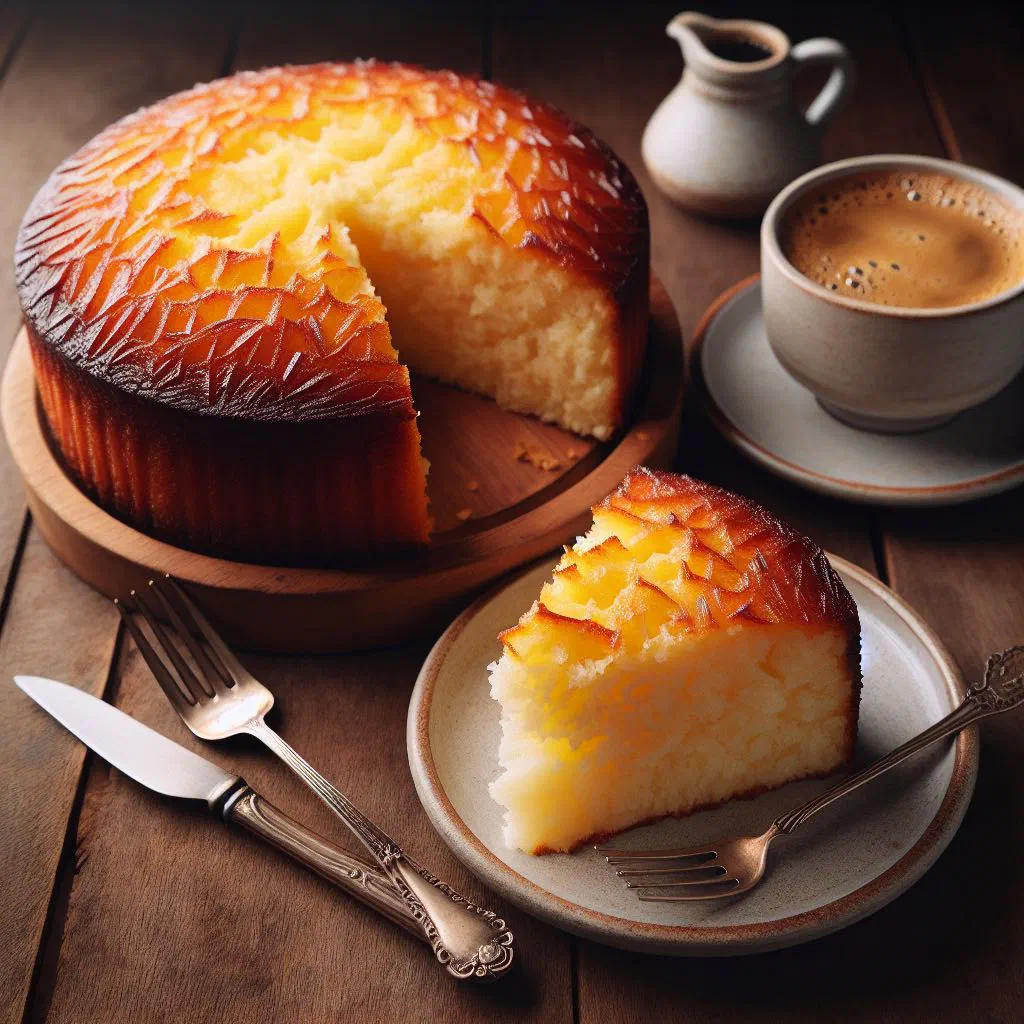
- Bake in a preheated oven at 180°C for about 40–45 minutes, until golden brown.
Gluten-free / lactose-free version
Bolo de Mandioca is naturally gluten-free, since it is made without any wheat flour. All you need is cassava, sugar, eggs, coconut milk and baking powder. Take care to use a coconut milk that is lactose-free so the cake is also suitable for anyone with a lactose intolerance. This makes it an excellent option for a wide range of dietary needs.
Tips for vegans and vegetarians
For a vegan version of Bolo de Mandioca, you can replace the eggs with an egg substitute such as flaxseed meal or apple purée. These ingredients bring similar binding properties and lend the cake an interesting note. Do also make sure the coconut milk is vegan, which is usually not difficult at all. That way vegans and vegetarians can enjoy this delicious cake too, in the same spirit as the coconut sweetness of Doce de Coco.
More tips and tricks
To intensify the flavour of your Bolo de Mandioca, you can add a few spices such as cinnamon or cloves. These pair beautifully with the sweet taste of the cassava and give the cake an extra dimension. It is also worth letting the cake cool a little after baking before you slice it, to achieve the perfect texture.
Adapting the recipe to your taste
If you have particular preferences or intolerances, you can adapt the recipe with ease. You might reduce the amount of sugar if you like things less sweet, or swap in a different plant-based milk in place of coconut milk. Fresh fruit or nuts can also make lovely additions that bring new flavour and texture to the cake. Bolo de Mandioca is a flexible recipe that welcomes plenty of variations.
Ingredient substitutions
If you are not lucky enough to find fresh cassava, you could try cassava flour instead. Do keep an eye on the consistency, though, as the flour often absorbs moisture differently from fresh cassava. The sugar can also be replaced with alternative sweeteners such as honey or agave syrup if you wish, the same easy swaps that suit a sweet potato bake like Bolo de Batata Doce. These adjustments let you shape the recipe to your own taste.
Drink pairing ideas
A slice of Bolo de Mandioca goes wonderfully with a cup of black coffee or a fruity tea. These drinks complement the sweet notes of the cake and offer a pleasant contrast to the delicate flavour of the cassava. If you prefer something cool, try a fruity lemonade to add a fresh accent. The choice of drink can greatly enrich the whole tasting experience.
Serving and presentation ideas
To present your Bolo de Mandioca in style, cut it into small pieces and arrange them on a pretty plate. Decorate with fresh fruit or nuts to add a lively splash of colour. A few nicely draped mint leaves or edible flowers can lend an elegant touch and heighten the visual effect. Do not forget to dust a little icing sugar over the top for an appealing finish, alongside a milky treat such as Bebinca de Leite.
A bit of history
Bolo de Mandioca has its origins in the traditional cooking of Timor-Leste, where cassava is a staple food. Baking cakes from cassava has a long history and is a fine example of the flexibility of the local kitchen. Over generations this cake has been refined by home cooks and chefs, with each family developing its own secrets and variations. In serving this cake we honour the flavours and the culture and heritage of Timor-Leste.
More recipe ideas
Summary: Bolo de Mandioca
In short, Bolo de Mandioca is a simple yet delicious recipe drawn from the culture of Timor-Leste. With just a few ingredients you can prepare this traditional cassava cake, which appeals to the palate and the soul alike. This cake is sure to impress your guests and offer a glimpse into the rich culinary tradition of Timor-Leste. Give it a try and enjoy a slice of Timorese culture right at home.