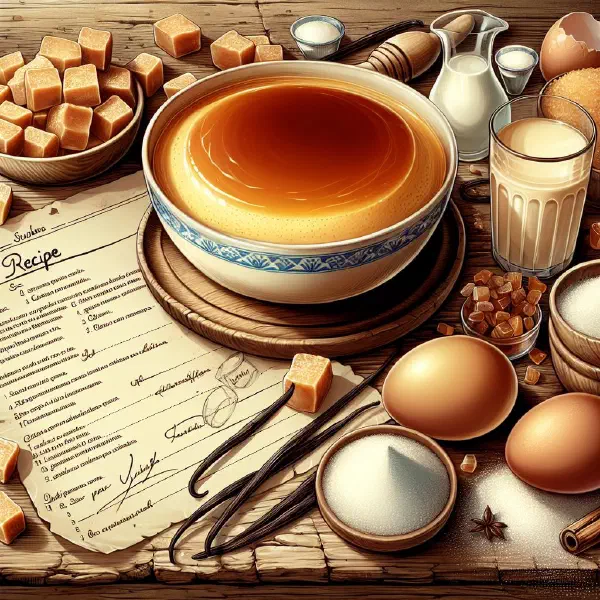
National Dish Timor-Leste: Bread Pudding (Recipe)

In this article
Say hello to Pudim de Pão, the comforting bread pudding that captures the warm hospitality of Timor-Leste. Made from little more than stale bread, milk and eggs, this creamy dessert turns humble leftovers into something genuinely special. With its silky texture and gentle vanilla aroma, it is the kind of sweet that shines at celebrations yet feels just as at home as an everyday treat. Bring a taste of East Timorese warmth to your own kitchen.
About Bread Pudding
Pudim de Pão is a traditional East Timorese dessert put together from the simplest of ingredients. It is a creamy, pudding-like dish that is especially popular at special occasions. This sweet classic embodies the hospitality of Timor-Leste and the art of turning everyday ingredients into a memorable taste experience. With its appealing texture and delicious aroma, Pudim de Pão is sure to win over your family and friends too.
Ingredients (serves 1–2)
- 200 g stale bread
- 500 ml milk
- 3 eggs
- 100 g sugar
- 1 teaspoon vanilla extract
- 1 pinch of salt
- Butter, for the dish
Shopping for the ingredients
You need only a few, but essential, ingredients to make Pudim de Pão. Ideally the bread should be bought fresh in the morning so it still carries some of its aroma before it goes stale. Other ingredients such as milk and eggs should be of good quality to get the very best from your dessert. Don’t forget to pick up the sugar and vanilla as well, since they are key to that lovely sweet flavour.
Preparing the dish
Before you start making Pudim de Pão, it is worth getting all your ingredients ready first. Cut the stale bread into small pieces so it spreads evenly through the mixture. Measure the milk and the other ingredients accurately to achieve the perfect consistency. Careful preparation makes sure the whole process runs smoothly and lets you concentrate fully on the cooking.
Step-by-step instructions
- Preheat the oven to 180 degrees Celsius.
- Butter an ovenproof dish thoroughly.
- In a bowl, combine the milk and the stale bread and leave to soak for about 10 minutes.
- Add the eggs, sugar, vanilla extract and the pinch of salt, then mix everything well.
- Pour the mixture into the prepared dish.
- Bake in the preheated oven for about 30–40 minutes, until set.
- Once baked, leave to cool and serve chilled.
Gluten-free / lactose-free version
For a gluten-free version of Pudim de Pão, you can use gluten-free bread. This adjustment means that people with a gluten intolerance can enjoy the dessert too. To make the recipe lactose-free, simply use lactose-free milk or plant-based alternatives such as almond milk or oat milk. Take care to choose the other ingredients lactose-free as well, so the dish is fully converted.
Tips for vegans and vegetarians
For a vegan take on Pudim de Pão, you can replace the eggs with plant-based alternatives such as apple sauce or flaxseed. On top of that, use plant-based milk and vegan sugar. These adjustments let anyone following a plant-based diet enjoy the dessert to the full. It is a wholesome way to adapt traditional recipes while still keeping that special flavour.
More tips and tricks
One important trick is to combine the milk and bread thoroughly so the bread soaks up the liquid completely. Let the mixture rest a little longer if you can, to achieve an even finer consistency. Be careful not to bake the dessert for too long so it doesn’t dry out. It should stay nice and moist. Use an attractive dish for serving to show off its appetising appearance. The same soaking trick works a treat in a milky pudding like Arroz Coado.
Adapting the recipe to your taste
This dessert makes an excellent base for all sorts of variations. You could work fruit or nuts into the mixture, for example, to add extra flavour and texture. If you like raisins, stir a few through for a sweeter result. Experiment with the ratio of ingredients to tailor the dessert precisely to your own taste, much as you might with a coconut sweet such as Doce de Coco.
Ingredient substitutions
If you don’t have any stale bread, you can use fresh bread instead, though you should reduce the amount of milk accordingly so the texture doesn’t change. Rather than sugar, you can also use honey or agave syrup to vary the sweetness. These alternatives make it easy to adapt to seasonal ingredients and personal preferences.
Drink pairing ideas
A range of drinks pairs well with Pudim de Pão. A fruity tea or a coffee can be a wonderful accompaniment that balances the sweetness. A fresh fruit juice also lends the dessert a refreshing note. Drinks enrich the whole experience and round off the flavour combination beautifully.
Serving and presentation ideas
For an appealing presentation, you can serve the dessert in individual portions using small glass containers or ramekins. A garnish of fresh fruit or a sprig of mint adds visual appeal and a touch of colour. Scattering sugar or caramel over the surface can lend an extra bit of crunch. Presentation is key when serving desserts and adds to the overall experience.
A bit of history
Pudim de Pão has its roots in the traditional cuisine of Timor-Leste, where varied ingredients and simple preparation take centre stage. It reflects the historical and cultural influences and the adaptation of flavours passed down over generations, a hallmark of Timorese cuisine. This sweet delicacy is more than just a dessert; it is part of the hospitality and culture of the people. Sharing this dish brings people together and fosters a sense of community.
More recipe ideas
Summary: Bread Pudding
Pudim de Pão is an appealing dessert that wins hearts with its simple preparation and its clever use of stale ingredients. With the option to adapt it in so many ways, this dish delivers a wonderfully varied taste experience. Pudim de Pão is sure to conquer everyone’s heart. Enjoy the sweet aromas and the warm hospitality of Timor-Leste in your own home.